Backyard bird feeding looks simple, but the wrong snack can quietly harm the very wildlife people are trying to help. Experts say some of the most common “treats” slipped into feeders, from kitchen leftovers to old seed, can cause malnutrition, disease, and even death. Knowing what never belongs in a feeder is now as important as knowing which seeds to buy.
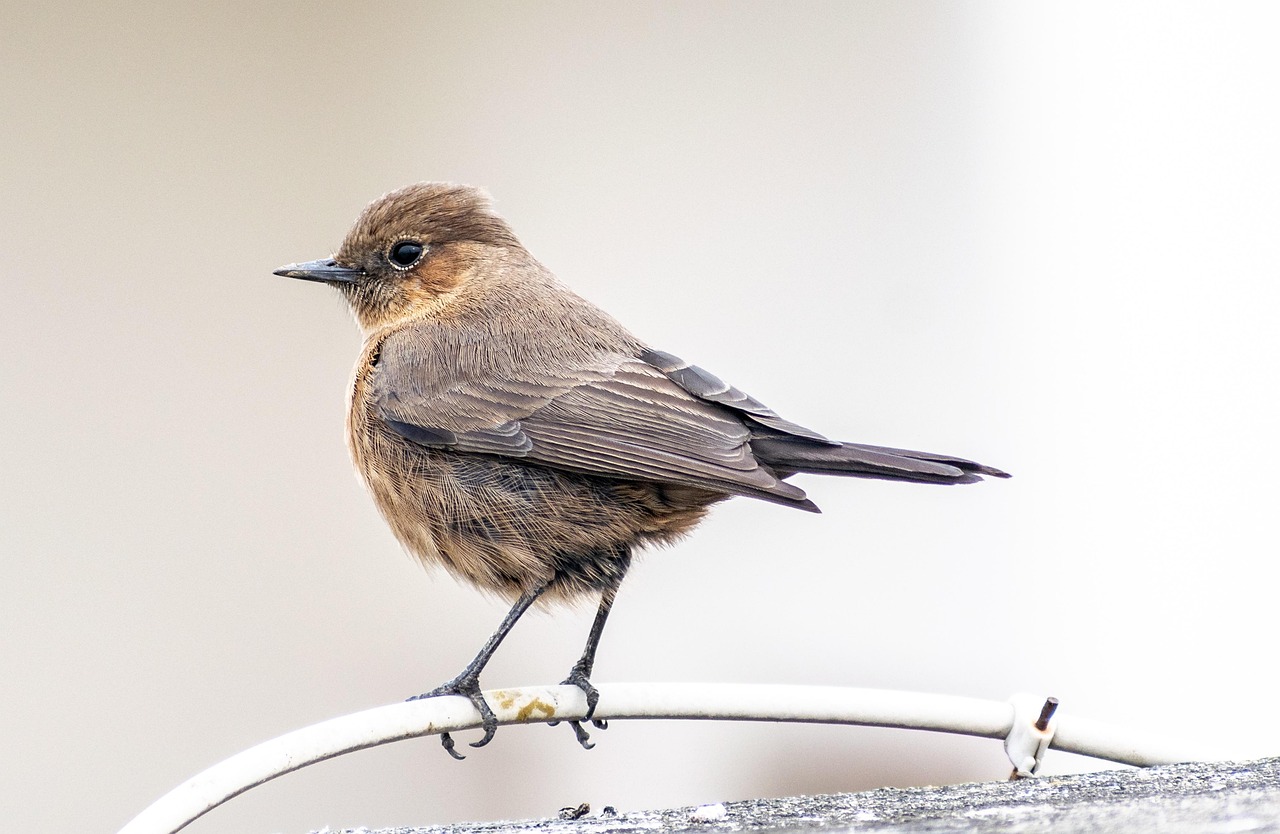
With Many Americans turning to bird feeding as an easy way to connect with nature, the stakes are high for getting it right. Ornithologists and veterinarians are increasingly blunt: a safe feeder is not a place to empty the pantry, and even well‑intentioned choices like Bread or milk can set birds up for long‑term health problems.
Why “people food” is not bird food
Human food is designed for human digestion, not for the high‑metabolism bodies of wild birds. Nutritionists warn that Human food is often nutritionally unsuitable for birds, lacking the concentrated fats, proteins, and micronutrients they need, especially in cold or breeding seasons. When birds fill up on low‑value scraps, they may ignore the seeds, nuts, and insects that actually sustain them, which can lead to fledglings that are malnourished and weak and less able to survive harsh weather or predators.
Experts also stress that foods that are fit for people could be harmful to birds because of salt, sugar, preservatives, and cooking oils that accumulate in small bodies far faster than in humans. Guidance on winter feeding notes that Keeping feeders stocked with appropriate seed mixes is helpful, but swapping in table leftovers, chips, or pastries undermines that benefit and can attract rats and other scavengers that spread disease. The safest rule is simple: if it was cooked, seasoned, or packaged for a human plate, it does not belong in a feeder.
Bread, chips, and processed snacks
Among the most persistent myths is that Bread is a harmless staple for backyard birds. In reality, Bread fills stomachs without delivering the dense nutrition birds require, which can crowd out healthier foods and contribute to vitamin deficiencies and poor feather quality. Reports from wildlife carers in Australia describe how regular feeding of Bread and other processed scraps has been linked to fledglings that are malnourished and weak, even when they appear eager to eat the handouts.
Processed snacks like chips, crackers, and donuts pose similar or greater risks because of their high salt and fat content. In one neighborhood discussion, a resident described how a next‑door neighbor had been tossing out bags of chips, crackers, donuts and other junk food for years, drawing in wild animals and creating a mess that local experts warned was never best to feed birds. Seasoned coatings, frying oils, and artificial flavors in these snacks can irritate digestive systems, while the easy calories encourage aggressive species and urban pests to dominate the feeding area.
Milk, cheese, and other dairy products
Dairy products feel like a generous protein boost, but birds are not built to digest them. Here, guidance on what not to feed wild birds is explicit: Milk should never be offered because Birds are lactose intolerant and unable to digest milk and dairy in the way mammals can. Even small amounts can cause diarrhea, dehydration, and gut irritation, which are especially dangerous for nestlings and smaller species that dehydrate quickly.
Cheese and yogurt are sometimes promoted in online forums as “high‑energy” treats, yet they carry the same basic problem, along with added salt and saturated fat. Wildlife specialists emphasize that foods that are fit for people could be harmful to birds, and dairy sits near the top of that list because it offers little usable nutrition while disrupting normal digestion. For anyone looking to boost calories in winter, high‑quality suet, sunflower hearts, and species‑appropriate seed mixes are far safer options than any dairy product.
Avocado, chocolate, caffeine, and other toxic foods
Some everyday foods are not just inappropriate for feeders, they are outright poisonous to birds. Veterinary toxicology lists Avocado leaves, fruit, stems, bark, and seeds as dangerous in all bird species, because they contain persin, a fatty acid derivative that can damage the heart and lungs. Pet nutrition experts echo this warning, noting that Among the most common foods that are toxic to birds are Avocado products that might seem healthy to humans but can be lethal even in small quantities.
Chocolate and caffeine fall into the same red‑flag category. Here, avian veterinarians advise that Chocolate and caffeine should never be offered because Both substances can be toxic to your bird, affecting the nervous system and heart rhythm. Even crumbs of chocolate cake or sips of coffee‑soaked bread can add up quickly for a small finch or chickadee. The safest practice is to keep any food or drink that contains cocoa, coffee, tea, or energy‑drink ingredients far away from feeders and outdoor bird tables.
Old, moldy, or contaminated seed
Even the right type of seed becomes dangerous once it is old, wet, or spoiled. The American Bird Conservancy has been clear that Old Birdseed should not be offered, because The American Bird Conservancy warns that old, spoiled, or wet seed mixes will go rancid and grow mold that can sicken or kill birds. Moldy seed can harbor aflatoxins and other fungal toxins that damage the liver, while clumped, damp seed encourages bacteria and parasites to flourish in the feeder itself.
Consumer guides on feeder hygiene repeat the same message: Things You Should Never, Ever, Put in Bird Feeders, According to Experts include any seed that smells musty, looks dusty, or shows signs of insects or webbing. Another advisory on Things You Should Never Put In a Bird Feeder highlights that keeping them inside and closely sealed between refills helps prevent moisture and contamination. Regularly discarding old seed, scrubbing feeders with a mild disinfectant, and letting them dry completely before refilling are now considered basic steps for anyone serious about bird health.
Meat, fat trimmings, and salty leftovers
High‑energy fat is important for many wild birds, but not all fats are equal. Wildlife specialists caution that processed meats, bacon fat, and salty trimmings should never be used as a shortcut substitute for proper suet. One expert explanation of Why What You Don Feed Matters notes that Most people feed birds with kindness, offering a crust of meat or leftovers from the kitchen, yet feeding them processed meats is risky because of salt, preservatives, and the way these scraps spoil quickly in warm or wet weather.
Greasy pans, gravy‑soaked bread, and cured meats also coat feathers and beaks, making it harder for birds to preen and stay waterproof. Guidance on what not to feed wild birds stresses that Here are the top foods you should never feed wild birds, and fatty, salty leftovers sit alongside Milk and other human staples on that list. If extra calories are the goal, rendered suet blocks formulated for birds or plain sunflower hearts deliver the same energy without the additives that can quietly damage kidneys and cardiovascular systems.
Household toxins and non‑food hazards around feeders
Even when the food itself is appropriate, the environment around a feeder can expose birds to hidden dangers. Veterinary guidance on Everyday Items That Are Toxic to Birds lists Heavy Metals, Especially Lead, Zinc and Copper, noting that Metals are everywhere in our environment and can leach from old paint, corroded hardware, or decorative objects near feeding stations. If birds ingest tiny flakes of these metals while foraging on the ground or pecking at contaminated surfaces, they can develop neurological problems, anemia, and digestive blockages.
Indoor and backyard safety advice adds that Many homes harbor seemingly benign substances that can be dangerous to birds, and Here is a list of eight common household items that can cause problems for your pet, including fumes from non‑stick cookware, cleaning sprays, and scented candles. When feeders are mounted near patios, grills, or kitchen vents, these airborne toxins can drift into the space where birds congregate. Keeping feeders away from treated lumber, painted railings, and areas where chemicals are sprayed reduces the risk that birds will pick up residues on their feet and feathers or ingest them while preening.
Why “everyone does it” is not a defense
One reason harmful feeding habits persist is social normalization. In a neighborhood thread, a poster described how, seconds after they stepped outside, they saw that a next door neighbor had been doing this for years, scattering bags of chips, crackers, donuts and other junk food, even as others pointed out it was never best to feed birds that way. When people see this kind of routine, it can feel like an accepted practice rather than a problem, especially if the birds appear to flock eagerly to the feast.
Yet wildlife organizations argue that popularity does not equal safety. Advice on what not to feed wild birds stresses that Here are the top foods you should never feed wild birds precisely because they are so commonly offered, from Milk to processed Bread and sugary cereals. Public education campaigns in Australia have urged residents to stop common backyard acts after sad photos emerged of deformed and starving birds, with officials warning that Human food is often nutritionally unsuitable for birds and has been linked to fledglings that are malnourished and weak. The emerging consensus is that “everyone does it” is a sign of how much work remains to shift backyard culture toward evidence‑based feeding.
How to feed birds safely instead
Despite the long list of items that should never go into a feeder, experts are clear that responsible feeding can be a powerful force for conservation and public engagement. Many Americans enjoy spending time with nature, and one popular activity is feeding wild birds, with as many as 53 m Americans taking part in this hobby. That scale means small improvements in what goes into backyard feeders can translate into meaningful gains for bird health across neighborhoods and migratory flyways.
Specialists recommend focusing on species‑appropriate seeds, clean water, and strict hygiene. Detailed lists of foods that are toxic to birds advise that Other foods to avoid giving include chocolate, caffeine, alcohol, and heavily salted snacks, and that anyone who suspects poisoning should contact an avian veterinarian promptly. Guidance on toxic foods your bird should never eat reinforces that Among the safest strategies is to stick with commercial mixes formulated for local species, rotate feeder locations to reduce disease buildup, and clean equipment regularly. Seasonal reminders on bird food mistakes to avoid making during the winter months add that Keeping feeders full of high‑quality seed and suet, rather than human leftovers, gives birds the nourishment they need during the coldest days without exposing them to preventable risks.
Red flags that your feeder is doing more harm than good
Recognizing early warning signs can help backyard birders correct course before serious damage is done. Wildlife experts note that Old Birdseed that clumps, smells sour, or shows visible mold is an immediate signal to empty and disinfect the feeder, since The American Bird Conservancy warns that such seed will go rancid and grow mold that can harm birds. Another red flag is sticky residue from sugary liquids or dyed nectar, with guidance explaining that red dye or any sugar water that ferments can irritate digestive tracts and attract wasps and ants, so the simpler and cleaner the ingredients, the better.
Behavioral changes can also point to trouble. If only a few aggressive species dominate the feeder, or if birds appear fluffed, lethargic, or reluctant to fly, it may indicate that inappropriate foods or poor hygiene are stressing the local population. Detailed lists of toxic foods for birds emphasize that Here are a few foods you should avoid feeding your bird, and that anyone noticing sudden illness after a diet change should contact an avian veterinarian. Household safety guidance adds that Many homes harbor seemingly benign substances that can be dangerous to birds, so if feeders are near areas where chemicals, fumes, or Metals might be present, relocating them can be a simple but life‑saving fix.
More from Willow and Hearth:
Leave a Reply