When an older dog suddenly starts standing in a hallway and staring at a blank wall, it can feel like a small, unsettling crack in the familiar rhythm of home. That quiet moment may be harmless curiosity, or it can be an early clue that something in the brain, senses, or body is changing. Understanding what that frozen gaze might signal is the first step toward getting a senior pet the help it needs and protecting its quality of life.
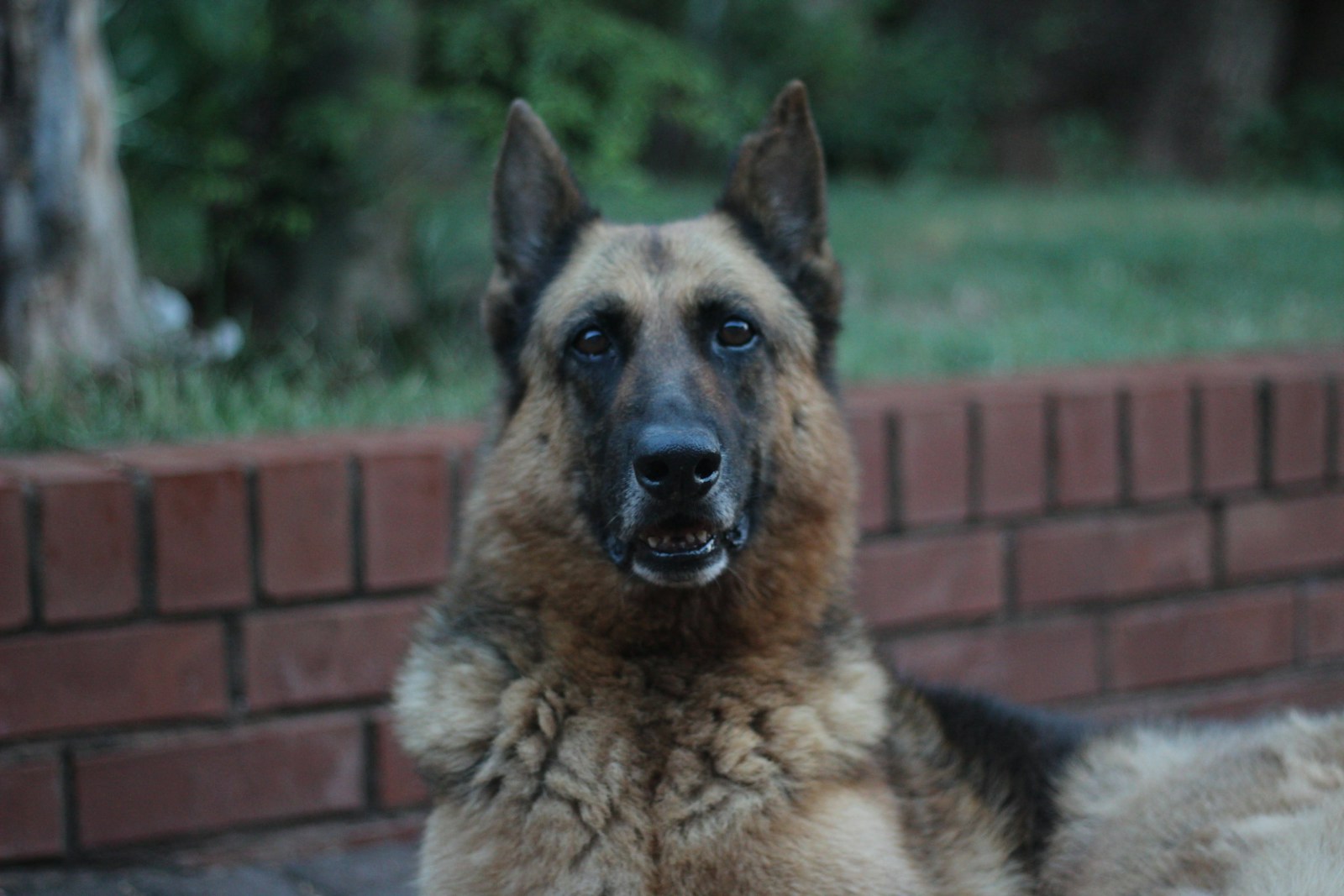
Veterinarians and behavior experts point to a cluster of common explanations, from age related cognitive decline to anxiety, pain, or vision loss. The behavior itself is only one piece of the puzzle, but paired with other subtle shifts in routine, appetite, or sleep, it can help owners decide when to watch, when to adjust the environment, and when to call the clinic.
Why older dogs fixate on walls in the first place
For many senior pets, staring at a wall is less about the wall and more about how their aging brains and bodies process the world. As dogs grow older, they can become slower to react, more easily confused, and more likely to get “stuck” in repetitive behaviors, so a quiet pause facing a corner may simply reflect that slower internal processing. Some dogs also develop new habits around rest or observation, choosing a particular spot where they feel safe and then zoning out there for stretches of time.
At the same time, experts caution that a dog that suddenly begins to stand motionless and gaze at a surface for long periods may be signaling discomfort or disease. Reports on Dogs that stare at walls note that this behavior can be linked to neurological problems, sensory decline, or metabolic conditions that affect the brain. The key is to look at the whole dog, not just the stare: changes in sleep, appetite, house training, or social interaction often travel with the wall fixation and help distinguish a benign quirk from a medical red flag.
Canine cognitive dysfunction and “dog dementia”
One of the most discussed explanations for an older dog that seems to drift into a trance at the wall is canine cognitive dysfunction, often compared to Alzheimer type disease in people. Veterinary neurologists describe cognitive dysfunction syndrome, or CDS, as a progressive condition in which age related changes in the brain lead to disorientation, altered sleep wake cycles, and difficulty learning or remembering routines. According to clinical guidance on CDS, signs can start with a single subtle change and then accumulate over time.
Behavior lists for Dog dementia include wandering aimlessly, especially at night, staring at walls or into space, and seeming confused in familiar environments. Owners may also notice that affected dogs forget previously known cues, stand in the wrong place waiting to be let outside, or appear to get lost in corners. Insurance guidance on canine cognitive dysfunction highlights that these dogs can become less interested in going outdoors and more withdrawn from family life, which can make a blank wall an easy focal point when their internal map no longer feels reliable.
Normal senior quirks versus worrying red flags
Not every instance of a dog gazing at a wall signals a crisis, and part of responsible ownership is learning to separate harmless quirks from patterns that warrant a veterinary exam. Many healthy dogs pause to listen or sniff, and some simply enjoy zoning out after a walk or meal, so a brief, occasional stare that resolves when the owner calls their name is often just part of normal behavior. Observers of Why Does Your at the wall emphasize that context matters: a dog that otherwise eats, plays, and sleeps normally may simply be reacting to subtle sounds or light changes that humans miss.
Red flags emerge when the staring is persistent, paired with confusion, or accompanied by other changes in routine. Veterinary behavior advice on Why Is My at the wall notes that owners should be concerned if the dog seems disoriented, has trouble navigating around furniture, or no longer responds reliably to its name. Additional warning signs include pacing, house soiling in a previously trained dog, new anxiety at night, or changes in how the dog interacts with family members, all of which can point toward cognitive decline, pain, or another underlying condition rather than a simple habit.
When the senses fade: vision, hearing, and hidden stimuli
Age related loss of vision or hearing can also turn a blank wall into a confusing or compelling object for a senior dog. As eyesight deteriorates, dogs may struggle to interpret depth, shadows, or reflections, leading them to stare at a surface while they try to make sense of what they see. Reports on loss of vision in dogs note that conditions such as diabetes can damage the eyes and leave pets staring at objects for long periods, sometimes prompting urgent veterinary visits when owners realize the dog is bumping into furniture or missing treats.
Hearing changes can push behavior in the opposite direction, with dogs locking onto faint sounds in the walls that their owners cannot detect. Summaries of Key Takeaways on wall staring point out that dogs may be tracking small animals in the walls, water pipes, or electrical hums that are outside the human hearing range. In those cases, the dog is not “zoning out” at all but instead is concentrating intensely, ears and body often angled toward the source of the noise, which can be a normal expression of their sensory advantage rather than a sign of illness.
Anxiety, compulsive patterns, and emotional health
Emotional strain can also surface as repetitive, seemingly purposeless behavior, including staring at walls. Dogs that live with chronic stress, separation anxiety, or inconsistent routines may develop coping patterns that look odd from the outside but feel soothing to them. Behavior specialists who catalogue Anxiety related wall staring describe tense body posture, wide eyes, and difficulty settling as clues that the dog is not simply daydreaming but is on edge and scanning the environment.
In some cases, that scanning hardens into a compulsive disorder, where the dog feels driven to repeat the same action regardless of context. Guidance on Compulsive Disorders in dogs notes that repetitive staring, tail chasing, or licking can become self reinforcing behaviors that are difficult to interrupt without professional help. Treatment often combines environmental enrichment, predictable routines, and sometimes medication to reduce anxiety and decrease compulsive behaviors, which can, in turn, reduce the time a dog spends locked in a trance at the wall.
Other medical issues that can hide behind a blank stare
Beyond cognitive decline and sensory loss, a range of medical problems can cause a senior dog to stand still and focus on nothing in particular. Neurological conditions such as seizures, brain tumors, or inflammatory diseases can produce episodes where the dog appears awake but unresponsive, sometimes staring at a fixed point before or after more obvious seizure activity. Veterinary overviews of CDS stress that disorientation and altered interactions can overlap with other brain disorders, which is why a thorough exam and, in some cases, imaging or lab work are needed to sort out the cause.
Metabolic diseases can also change how a dog behaves around the home. Conditions that affect blood sugar, liver function, or electrolyte balance may leave a dog weak, nauseated, or mentally dull, which can show up as standing in one place and staring. Clinicians who focus on Understanding why dogs stare at nothing note that older dogs are prone to a mix of cognitive decline, sensory changes, and systemic disease, and that altered interactions with family members often accompany the staring, giving owners another clue that something deeper than boredom is at work.
How vets investigate a dog that stares at walls
When owners bring in a senior dog for wall staring, veterinarians typically start with a detailed history and physical exam, then build outward to neurological checks and lab tests as needed. They ask when the behavior began, how long episodes last, and whether the dog can be easily interrupted, then cross reference that information with changes in appetite, thirst, sleep, and toileting. Educational materials on Your dog staring at the wall emphasize that owners should share videos of the behavior when possible, since short clips can reveal subtle tremors, eye movements, or pacing that might not be obvious in a verbal description.
From there, clinicians may recommend blood work to screen for metabolic disease, eye exams to check for cataracts or retinal problems, and, in some cases, advanced imaging to look for structural brain changes. Guidance on Clinical signs of CDS notes that diagnosis is often one of exclusion, where other causes of disorientation are ruled out before cognitive dysfunction is identified as the primary problem. Throughout the process, veterinarians weigh the dog’s age, overall health, and the owner’s observations to decide whether to focus on medical treatment, environmental support, or a combination of both.
What owners can do at home to help confused seniors
While diagnosis and medication decisions belong in the clinic, there is a great deal owners can do at home to support an older dog that has started staring at walls. Environmental management is a first line tool: keeping furniture layouts consistent, using night lights in hallways, and blocking off tight corners can all reduce the chances that a disoriented dog will get stuck facing a wall. Behavior advice on How to help a dog that stares at walls highlights the value of gentle redirection, such as calling the dog over for a treat or a short sniffing game rather than startling or scolding them.
Mental enrichment and routine also play a protective role. Short training sessions with familiar cues, food puzzles that are easy to solve, and calm walks at predictable times can help keep a senior dog’s brain engaged without overwhelming it. French language guidance on Dog Staring at walls notes that structured interaction can strengthen the bond between dog and owner, while additional commentary on how Staring at a can reflect deeper needs underscores that understanding the behavior is part of helping dogs live better together with their families.
When to worry, when to watch, and how to stay ahead
Deciding whether to rush to the vet or simply make a note in a behavior log can be stressful, especially when a beloved dog is aging. Behavior summaries on Why Does Your at the wall advise that persistent staring, especially when combined with other changes like pacing, house soiling, or altered sleep, should prompt a veterinary appointment to rule out serious underlying issues. On the other hand, a dog that occasionally pauses at a wall but is easily redirected, eats and plays normally, and shows no other worrisome signs can often be monitored at home while the owner keeps a simple diary of episodes.
For many families, the most important step is to recognize that a dog’s odd new habit is information, not an annoyance. Educational pieces on Dog Staring at the wall and broader discussions of older dogs that stare at nothing both frame the behavior as a prompt to look more closely at the dog’s comfort, cognition, and environment. By treating that fixed gaze as a conversation starter with a veterinarian rather than a spooky quirk, owners can catch emerging problems earlier, adjust the home to fit their dog’s changing needs, and give senior companions the calm, predictable world they deserve in their later years.
More from Willow and Hearth:
Leave a Reply