We get it—your dog is a beloved part of the family, and you want nothing but the best for them. But sometimes, even in the coziest corners of your home, they can feel a bit on edge. You might be thinking, “What could possibly stress out my furry friend here?” Well, grab a cup of coffee and let’s chat about some sneaky factors that might be causing your pup to feel anxious at home.
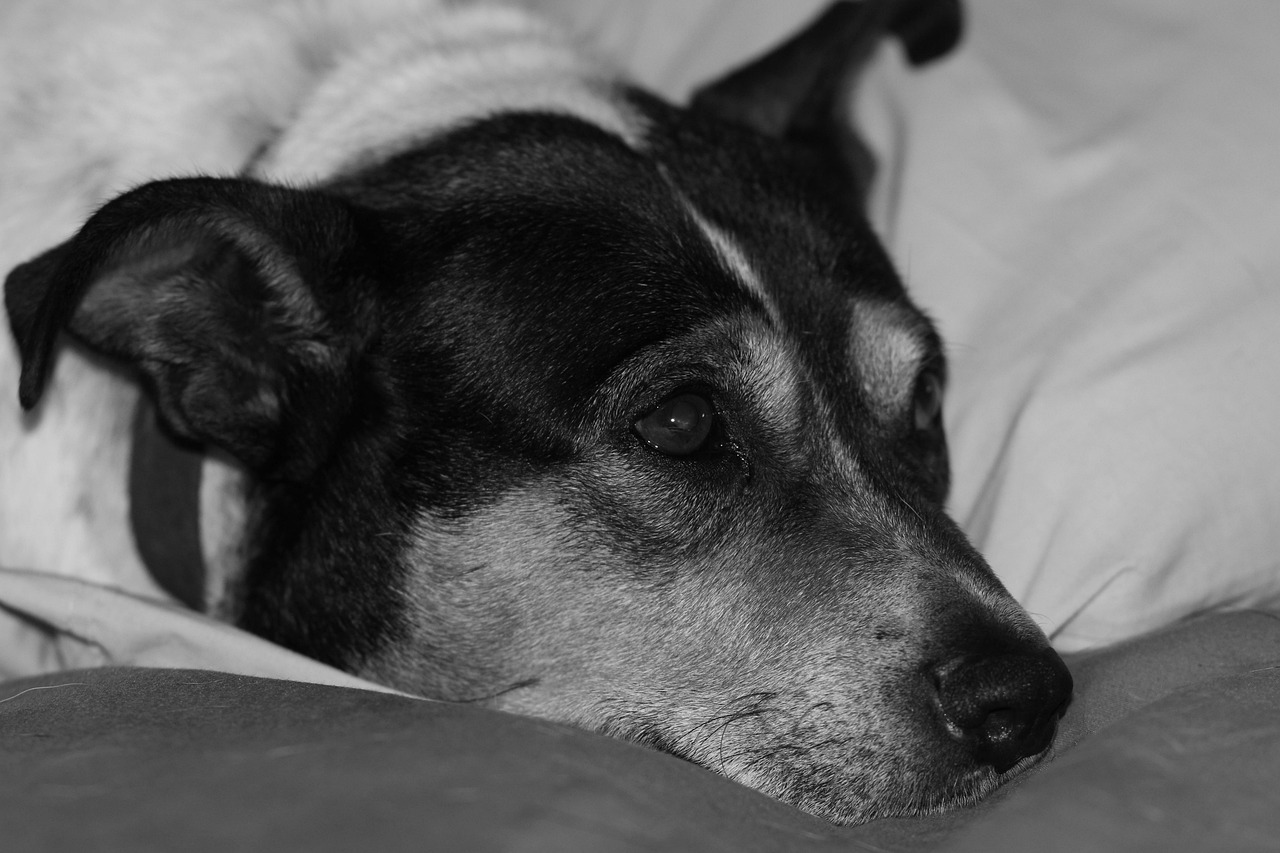
1. Sudden Loud Noises
If you’ve ever watched your dog jump at the sound of a doorbell or flinch during a thunderstorm, you know that noise can be a big deal. Dogs have super-sensitive hearing, which means what sounds like a soft murmur to you might be a full-blown symphony of chaos to them. Things like vacuum cleaners, fireworks, or even the neighbor’s dog barking can set them on edge. Try to keep their environment as quiet as possible during these times, or provide them with a safe, soundproof zone where they can retreat when the world gets too noisy.
2. Changes in Routine
Dogs are creatures of habit. They thrive on routine, and sudden changes can throw them for a loop. Maybe you’ve started working from home and your dog’s daily schedule is now all over the place. Or perhaps you’ve recently changed their feeding time or walk schedule. Even something as simple as changing the route you take on walks can send them into a tailspin of anxiety. Consistency is key—try to maintain their regular routine as much as possible, and if changes are necessary, ease them in gradually.
3. Lack of Mental Stimulation
Just like us, dogs can get bored, and boredom can lead to anxiety. If your pup is left to their own devices with nothing to do, they might start to feel restless. Think about it: a bored dog is a mischievous dog, and that could mean chewing the couch or barking at imaginary squirrels. Incorporating puzzle toys, interactive games, or even teaching them new tricks can keep their minds engaged and help alleviate anxiety. Plus, it’s a great excuse for some quality bonding time!
4. Unfamiliar People or Pets
Not all dogs are social butterflies. Some might be more of the introverted type, preferring the company of their trusted humans over new faces. If you’ve got guests over or if there’s a new pet in the house, it could stir up feelings of anxiety for your pup. They may feel threatened or simply overwhelmed by all the new scents and sounds. Creating a safe space for them—like a cozy corner with their favorite toys or a designated “chill zone”—can help them feel more secure. And if your dog isn’t a fan of the party scene, that’s totally okay. Just let them be themselves!
5. Separation Anxiety
Ah, the classic case of “I can’t stand to be away from you!” If your dog gets anxious when you leave the house, they might be experiencing separation anxiety. They might howl, scratch at the door, or even get a bit destructive. This is especially common in pups who are very attached to their humans. To help ease this anxiety, try practicing short departures and gradually increase the time you’re away. Leaving them with a favorite toy or a treat-dispensing puzzle can also keep their minds occupied while you’re gone. And remember, it’s not a sign of weakness; it just means your dog loves you a whole lot!
Final Thoughts
Being a dog parent means being attuned to your furry friend’s needs, and understanding what might be making them anxious is a huge part of that. Every dog is unique, and what might stress one pup out could be a non-issue for another. By creating a calm environment, maintaining routines, and providing mental stimulation, you can help your dog feel more secure and relaxed at home. So, the next time you see your pup pacing or hiding under the couch, take a moment to reflect on what might be causing their unease. With a bit of love and understanding, you can turn their anxious moments into happy tail wags in no time!
More from Willow and Hearth:
Leave a Reply