Ah, the joys of sharing a living space! You’ve got your things, they’ve got theirs, and somewhere in between lies a delicate dance of organization, personal space, and—of course—decluttering. But what happens when your partner takes it upon themselves to “declutter” your belongings without so much as a heads-up? It’s a real pickle, and it can lead to some seriously fraught feelings. Let’s talk about what’s going on, why it might be happening, and how to navigate this clutter conundrum.
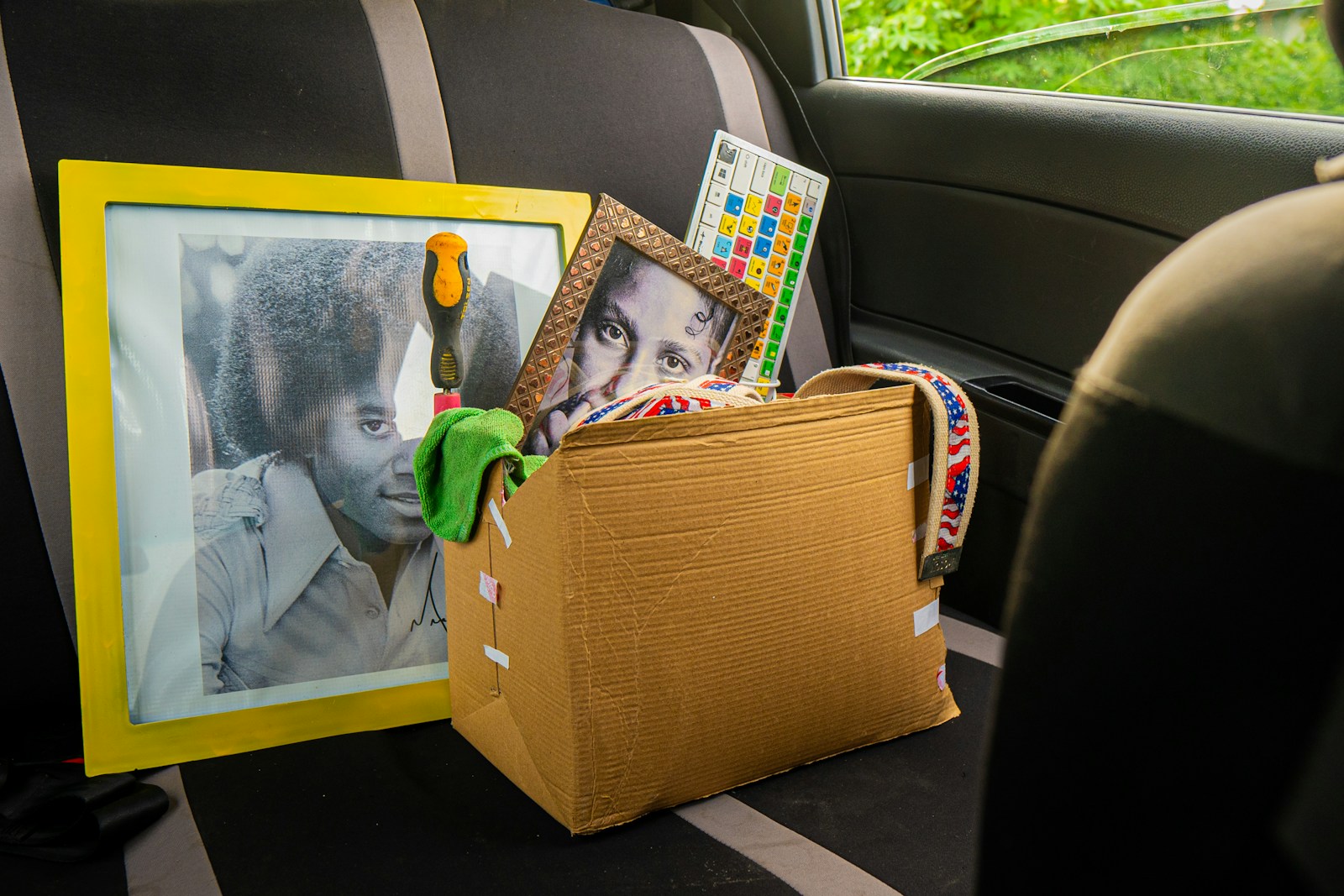
The Great Declutter Debate
First off, let’s get one thing straight: decluttering can be a wonderful thing. Who doesn’t love a clean, airy space that feels like a breath of fresh air? But when it turns into your partner swooping in like a tornado, tossing your beloved knick-knacks and half-read books into a donation pile, it can feel more like betrayal than a spring cleaning.
Your partner’s intentions are probably good. They might be on a mission to create a serene environment, or maybe they just can’t handle the sight of that collection of takeout menus from 2018. But here’s the kicker: when it comes to your stuff, it’s not really their call to make. Sure, they might see clutter; you might see cherished memories. It’s a classic case of “one person’s junk is another person’s treasure,” and boy, does that ring true in relationships.
Why Are They Doing It?
So, what’s behind this sudden urge to declutter? Maybe they’re feeling overwhelmed by the stuff around the house. Perhaps they’ve read one too many minimalist blogs and are convinced that a sparse environment equals inner peace. Or maybe they think they’re helping out, assuming you’d appreciate the extra hands. The truth is, every couple has different tolerance levels for clutter, and it’s easy for one partner’s threshold to lead to misunderstandings.
Let’s not forget that it’s often tied to deeper issues. Sometimes a partner might feel the need to exert control in an area where they feel less empowered, especially if life outside the home feels chaotic. But whatever the reason, the key is communication. And trust me, that’s easier said than done.
How to Approach the Situation
Now that we’ve identified the elephant in the room, how do you approach this sensitive topic without turning it into a full-blown argument? You’ll want to create a safe space for dialogue. Start with something like, “Hey, I noticed you’ve been tidying up my things. Can we chat about it?” This way, you’re opening the door for a conversation rather than a confrontation.
Make it clear that you appreciate their desire to create a tidy home—because, really, who doesn’t love a nice clean space? But also express how it makes you feel when your belongings are moved or tossed without a word. Use “I” statements to avoid sounding accusatory. Instead of saying, “You always throw my stuff away,” try, “I feel really anxious when my things disappear without me knowing.” This way, you’re focusing on your feelings rather than pointing fingers.
Finding a Middle Ground
Once you’ve opened that line of communication, it’s time to find some common ground. Maybe set up a “declutter zone” for items that need to be sorted. This way, if your partner comes across something they think should go, they can place it in that zone for you to review. You get a say in what stays, and they get to feel like they’re contributing to a cleaner space. Win-win!
Another idea? Set specific times for decluttering. Schedule a weekend where both of you can go through things together. You can tackle the kitchen junk drawer while they handle that closet that’s become a black hole. It’s amazing how teamwork can turn a chore into a bonding experience. Plus, you can even reward yourselves afterward with some takeout—because, let’s be honest, that’s the best part of any project, right?
Respecting Each Other’s Space
At the end of the day, the goal is to create a space that feels comfortable for both of you. It’s about respecting each other’s boundaries and belongings. Remember, it’s your home too, and your stuff deserves the same respect as theirs. If your partner can’t grasp that, it might be worth exploring why they feel so entitled to make decisions about your possessions.
More from Willow and Hearth:
Leave a Reply