One homeowner in MILTON, Mass learned the hard way that a blowtorch is a terrible match for winter chores, turning a routine attempt to clear ice into a fast moving house fire. The man’s effort to melt frozen buildup around his home ended with flames racing into the attic, multiple fire departments on scene, and a very public warning from officials who say this kind of do it yourself fix is exactly what they dread in extreme cold.
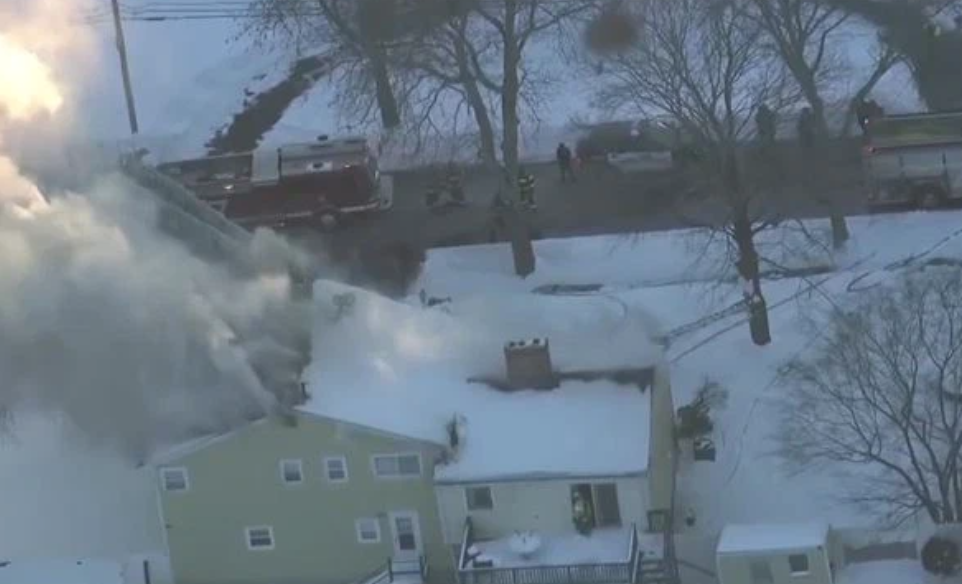
The story lands at a moment when ice and snow have frustrated millions of Americans, and plenty of people are tempted to improvise with whatever tools they have in the garage. Firefighters say this blaze is a textbook example of how quickly that can go wrong, and why they want residents calling professionals instead of reaching for open flames.
From icy roof to full attic fire in minutes
The chain of events started simply enough, with a Man trying to deal with stubborn ice that had formed on part of his home during a stretch of bitter weather. According to officials, the homeowner decided to use a torch to melt the ice, focusing on areas near the roofline where the buildup was worst. What looked like a clever shortcut instead allowed heat to seep into hidden gaps, where dry wood and insulation were waiting to ignite, a risk that fire crews say is far higher than most residents realize when they point open flame at siding or shingles linked to a Man using torch.
Milton Fire Deputy Chief John Earner later explained that the homeowner was using a blowtorch specifically to melt the ice, and that he reported seeing smoke only after the job seemed finished and he had gone back inside. By the time crews arrived, flames had already pushed into the attic, where void spaces and stored belongings helped the fire spread with alarming speed, a sequence that Earner and other Milton Fire leaders say they have seen before when people try to burn away ice.
Firefighters battle flames and brutal cold
Once the alarm went out, it did not take long for the situation to escalate beyond a routine house call. It Took Several Fire Departments to respond, with crews from surrounding communities joining Milton firefighters to Extinguish the Blaze as it chewed through the attic and threatened to drop burning debris into the living spaces below. Neighbors described the fire as incredibly fast, with one witness, Sam Gi, telling reporters that flames seemed to leap across the roof in the time it took trucks to line the street, a scene captured in coverage that highlighted how quickly a single mistake can pull in several departments.
On top of the flames, crews had to work in frigid temperatures that turned water to ice almost as soon as it hit the ground. Firefighters not only dragged hoses through snow but also fought slick conditions on ladders and roofs, a challenge that Milton Fire Deputy Chief John Earner and other responders have stressed in their warnings about winter incidents tied to torches and improvised heating. Officials said the combination of extreme cold and a stubborn attic fire made this call especially draining for the firefighters who rotated in and out to avoid frostbite and exhaustion.
‘Get a professional company’ and put the torch away
In the aftermath, Milton officials have been blunt about what they want residents to take from the fire. Their message is that if ice dams or heavy buildup are causing leaks or threatening gutters, homeowners should get a professional company instead of experimenting with open flames or high powered torches. Milton Fire Deputy Chief John Earner has pointed out that even people who think they are being careful cannot see what is happening behind siding or under shingles, where a few seconds of concentrated heat can smolder into a hidden fire that only shows itself once it is already racing through the attic, a warning echoed in multiple official statements.
That advice is landing in a winter when Ice and snow have frustrated millions of Americans, and plenty of people are tempted to improvise with whatever tools they have on hand. Close neighbors in MILTON, Mass told reporters they understood why someone would be desperate to clear ice after days of extreme cold, but they also said watching the fire unfold was enough to convince them to stick with shovels, roof rakes, or hired help. One account noted that One homeowner’s mistake became a neighborhood cautionary tale, a reminder that a few hundred dollars for a contractor is cheaper than the kind of damage that left this house needing a lot of help, a point underscored in coverage that highlighted how Americans are coping with the season.
Why torches and houses do not mix
Fire officials are not just scolding, they are walking people through the physics of why this kind of shortcut is so risky. A blowtorch or similar tool concentrates intense heat on a small area, which can cause siding, roofing materials, and even nails to conduct that heat into cavities packed with dry wood and insulation. Those spaces are basically kindling boxes, and once they catch, the fire can travel along beams and joists out of sight, which is exactly what investigators say happened when the Man in Milton tried to burn away ice and instead set his own structure on fire, a scenario detailed in reports that describe how the torch to melt became the ignition source.
Officials also stress that winter conditions make everything harder once a fire starts. Snow and ice slow response times, hydrants can be buried or frozen, and water used to fight the blaze quickly turns walkways and stairs into skating rinks. In MILTON, Mass, crews had to juggle all of those hazards while also cutting into the roof to chase flames that had slipped into the attic, a job that required coordination between multiple agencies and careful ladder work on slick surfaces. WCVB coverage cited Officials urging residents not to try similar tricks with torches or open flames, a plea repeated in regional outlets that described how the Milton, Mass fire could easily have ended with injuries or worse.
Safer ways to deal with winter’s mess
For anyone staring at a frozen driveway or a roof rimmed with icicles, the takeaway is not to give up, it is to pick tools that do not double as flamethrowers. Fire departments recommend basics like shovels, sand, and ice melt products that are rated for the surfaces around a home, along with roof rakes that let people pull snow off from the ground instead of climbing onto slick shingles. When ice dams are already causing leaks, the advice from Milton Fire Deputy Chief John Earner and other responders is to call licensed contractors who specialize in removing them, rather than experimenting with propane or gasoline powered gadgets that can turn a minor nuisance into a major loss, a point driven home in national coverage of the Milton fire.
Officials also want people to think about prevention long before the next storm hits. That means clearing gutters before winter, sealing air leaks that let warm indoor air melt roof snow unevenly, and keeping attics properly insulated so ice dams are less likely to form in the first place. In their public comments, they have linked the Milton incident to a broader pattern of cold weather emergencies, from space heaters placed too close to curtains to grills dragged into garages for warmth, all of which share the same theme of improvised fixes that ignore basic fire safety. Coverage of the Man who accidentally set his home ablaze has been paired with reminders from WCVB and other outlets that Officials would much rather answer questions about safe equipment than roll trucks to another preventable blaze, a message that has been repeated in stories about how a torch accident turned a winter chore into a neighborhood spectacle.
More from Willow and Hearth:
Leave a Reply