The ’70s were a golden age for rock music, a decade bursting with unforgettable anthems that shaped the sound of generations. We often reminisce about the big hits—the ones that played on repeat at parties and on the radio. But tucked in the annals of history are a few rock songs that, while not always at the forefront of our minds, had a massive impact and are definitely worth a second listen. So, grab your favorite brew, kick back, and let’s revisit three rock songs from the ’70s that were bigger than you probably remember.
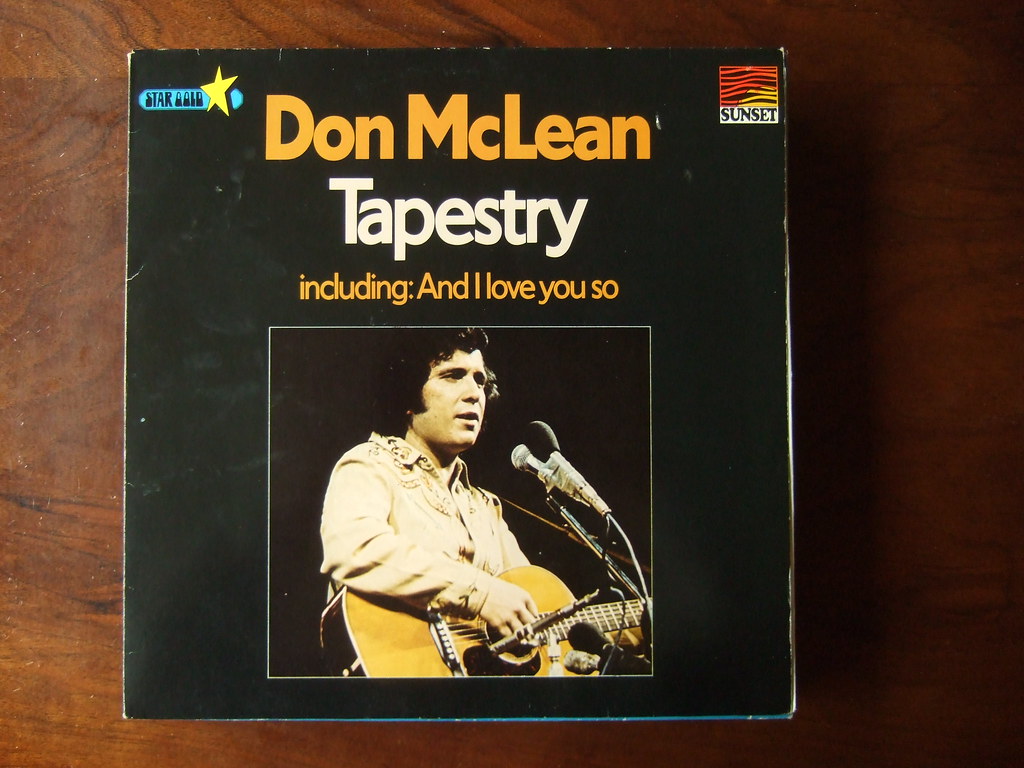
1. “American Pie” by Don McLean
Ah, “American Pie.” If you’ve ever found yourself humming that catchy chorus, you’re not alone. Released in 1971, this song is like a history lesson wrapped in a melody. McLean’s lyrics are packed with references to the turbulent events of the ’60s, from the tragic plane crash that killed Buddy Holly to the political upheaval of the era. It’s a song that’s rich in storytelling, and its nearly eight-minute runtime is a testament to both McLean’s artistry and the era’s willingness to embrace songs that took their time.
Now, you might think of it as just a nostalgic sing-along, but “American Pie” was a cultural phenomenon. It topped the charts for four weeks and has been covered by more artists than you can shake a guitar pick at. If you think about it, this song encapsulates a whole generation’s disillusionment and hope—pretty heavy stuff for what sounds like just a fun tune about a road trip. But that’s the beauty of it; it’s a layered piece that resonates on different levels. It’s the kind of song you can belt out at karaoke, and still, someone in the back will be nodding along, lost in thought.
2. “Dream On” by Aerosmith
Next up is “Dream On” by Aerosmith, a song that often gets overshadowed by the band’s later hits like “Sweet Emotion” or “Walk This Way.” But let’s give credit where it’s due: this 1973 ballad was a game-changer. With its soaring vocals and emotional depth, it’s no surprise that it’s still a staple in rock playlists today. Steven Tyler’s voice is like a rollercoaster ride—taking you up, down, and then soaring to heights you didn’t think were possible.
“Dream On” didn’t skyrocket to number one right away; in fact, it took a few years to really catch on. It peaked at number six in 1976, but it became iconic in the late ’70s and ’80s, paving the way for Aerosmith’s future success. If you ask me, it’s one of those songs that just gets better with age. It’s a reminder that dreams take time and perseverance, and who doesn’t need that reminder sometimes? Plus, the piano intro is so good that it almost makes you want to sit down and compose your own epic saga.
3. “Go Your Own Way” by Fleetwood Mac
<p“Go Your Own Way” is another gem from the ’70s that might have slipped through the cracks of your memory. Released in 1976 as part of the legendary album “Rumours,” this song encapsulates the complex dynamics of love and heartbreak. If you’ve ever had a tumultuous relationship, you’ll find solace in its catchy chorus and powerful guitar riffs. It’s the kind of song that makes you want to dance it out, even while it pulls at your heartstrings.
Fleetwood Mac was at the peak of their powers during this time, and “Go Your Own Way” was a big part of that. It reached number five on the Billboard Hot 100, but its influence stretched far beyond chart numbers. The song has been covered by numerous artists, from pop stars to rock bands, proving its timeless appeal. Plus, the backstory of the song—stemming from the complicated relationship between Lindsey Buckingham and Stevie Nicks—adds a layer of intrigue that makes it even more fascinating. Who doesn’t love a little drama with their rock music?
In Conclusion
So there you have it—three rock songs from the ’70s that were bigger than you might remember. Each of these tracks tells a story, resonates with the human experience, and has left an indelible mark on music history. Next time you hear them on the radio or during a nostalgic playlist session, take a moment to appreciate their legacy.
More from Willow and Hearth:
Leave a Reply