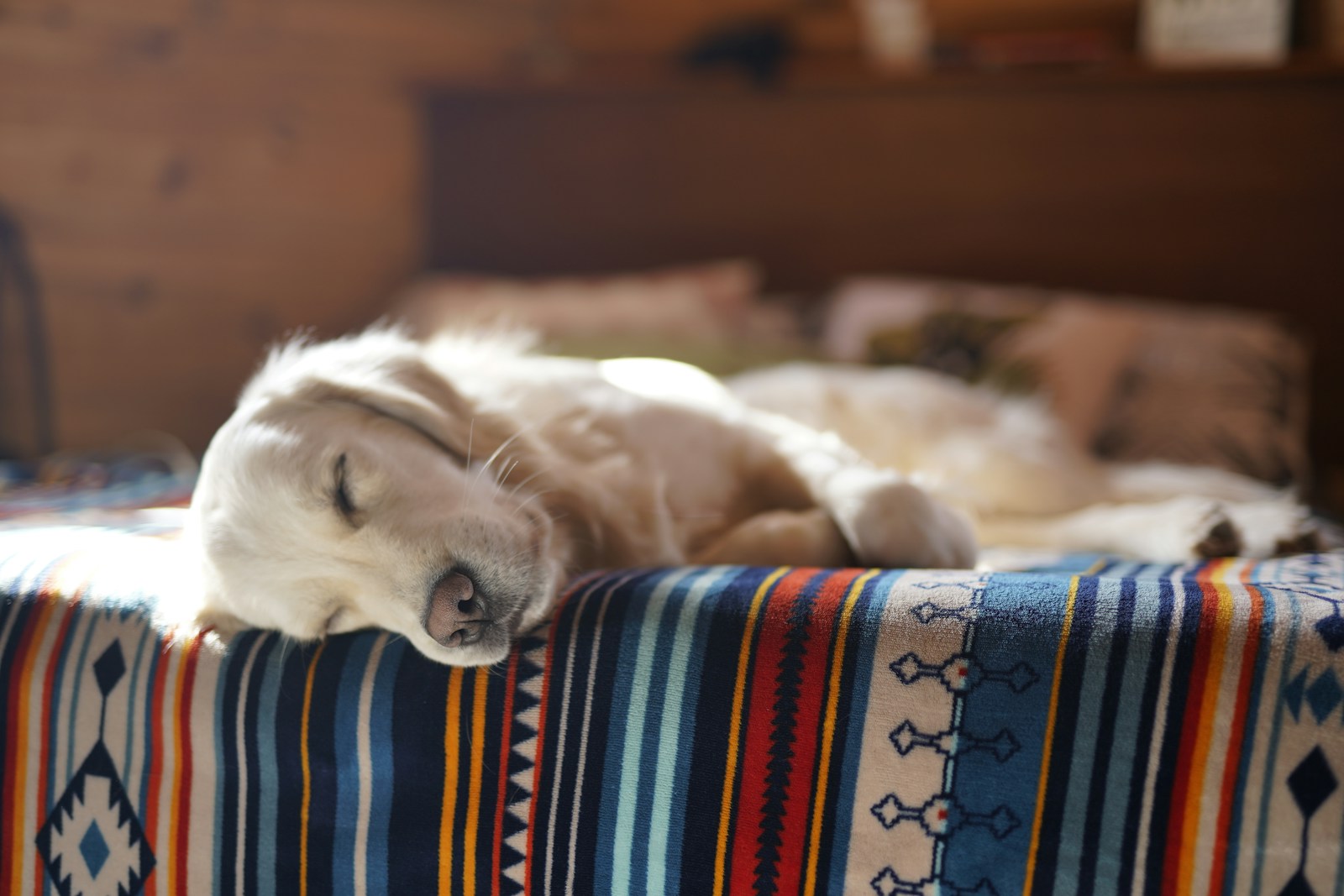
So, you’ve noticed your furry friend snoozing a bit more than usual. At first glance, they seem perfectly fine—tail wagging, tongue lolling, and ready to chase that squirrel they never actually catch. But then you realize, they’ve swapped their playful antics for marathon napping sessions. What gives? Is it just the cozy weather, or could it be a sign that something’s amiss? Let’s chat about what those extra Zzz’s might mean for your pup.
Understanding Doggie Sleep Patterns
First off, let’s be real: dogs love to sleep. It’s practically their job. On average, dogs snooze anywhere from 12 to 14 hours a day, depending on their age, breed, and activity level. Puppies and older dogs tend to spend even more time dreaming of chasing rabbits or rolling in something that smells suspiciously like, well, something that shouldn’t be rolled in. But when that sleep starts creeping up beyond the usual, it’s worth paying attention.
Decoding the Signs
Now, it’s not just about the hours logged in dreamland. If your dog is sleeping more but still seems happy and engaged when they’re awake, you might not need to hit the panic button just yet. But if you notice changes in their behavior—like less enthusiasm for walks, a disinterest in playtime, or odd eating habits—it could be time to raise an eyebrow (or two).
Think of it like this: If your dog’s usually the life of the party but suddenly prefers to be a couch potato, it’s worth investigating. Dogs can’t tell us when something’s off, but they sure can show us. Pay attention to those subtle shifts in energy levels and mood. It’s like being a detective in your own home!
Possible Reasons for the Extra Snoozing
So, what could be causing this newfound fondness for napping? A few possibilities come to mind. Health issues are at the top of the list. Conditions like arthritis, heart problems, or even infections can lead to increased fatigue. Older dogs, especially, may be dealing with joint pain that makes them less inclined to frolic.
Then there’s the ever-present possibility of boredom. Dogs are social creatures who thrive on interaction. If you’ve been busier than usual and your pup isn’t getting enough playtime or mental stimulation, they may just be snoozing their way through the boredom. Think of it as their version of binge-watching a show—only instead of Netflix, it’s all about napping.
When to Seek Help
If your dog’s napping seems excessive and is accompanied by other worrisome signs—like a lack of appetite, vomiting, diarrhea, or any unusual behavior—it might be time to call your vet. Better safe than sorry, right? A quick trip to the vet can help rule out any underlying health issues and give you peace of mind. Plus, your pup will probably appreciate the chance to sniff around a new place, even if it does involve some poking and prodding.
Preventative Measures for Happy, Healthy Naps
Now, if your dog’s just a bit snoozy but otherwise fine, there are plenty of ways to keep their spirits up. Regular exercise is key. A daily walk, some playtime in the yard, or even a romp at the dog park can help keep their energy levels balanced. Remember, a tired dog is a happy dog (and maybe a little less likely to snooze all day).
Engaging their minds is equally important. Puzzle toys, training sessions, or even learning new tricks can stimulate their brains and keep them awake and alert. Plus, who doesn’t love showing off a dog that can roll over on command? It’s a crowd-pleaser!
Embrace the Nap, but Stay Vigilant
At the end of the day, every dog is unique, and what’s normal for one might not be for another. If your pup is a champion napper, that’s perfectly okay! Just stay observant and keep an eye on any changes. They might just be extra cozy, or they could be hinting at something that needs your attention.
So, grab that coffee and cuddle up with your furry friend, but maybe keep a little notepad handy for those observations. After all, a little vigilance can go a long way in ensuring your pup stays happy and healthy—whether they’re chasing squirrels or dreaming about them!
More from Willow and Hearth:
Leave a Reply