You likely treat small electrical quirks as annoyances — a flicker, a warm outlet, or a tripped breaker — but those signs often point to problems that grow if ignored. You can prevent costly repairs, hazards, and surprises by spotting common electrical mistakes early and taking simple steps to fix them.
This article walks you through why those everyday issues matter, what usually causes them, and when to call a pro so you don’t turn a quick fix into a bigger danger. Keep reading to learn how to protect your home, devices, and family.
Ignoring flickering lights as just a nuisance
If your lights flicker now and then, you might shrug it off as a bad bulb. Yet flicker can signal loose wiring, overloaded circuits, or failing fixtures that raise fire risk.
Pay attention to where and when it happens. If multiple rooms or appliances show flicker, call an electrician to check your panel and connections.
Don’t keep running on luck; getting a professional to diagnose the issue protects your devices and keeps your home safer.
Overloading outlets with too many devices
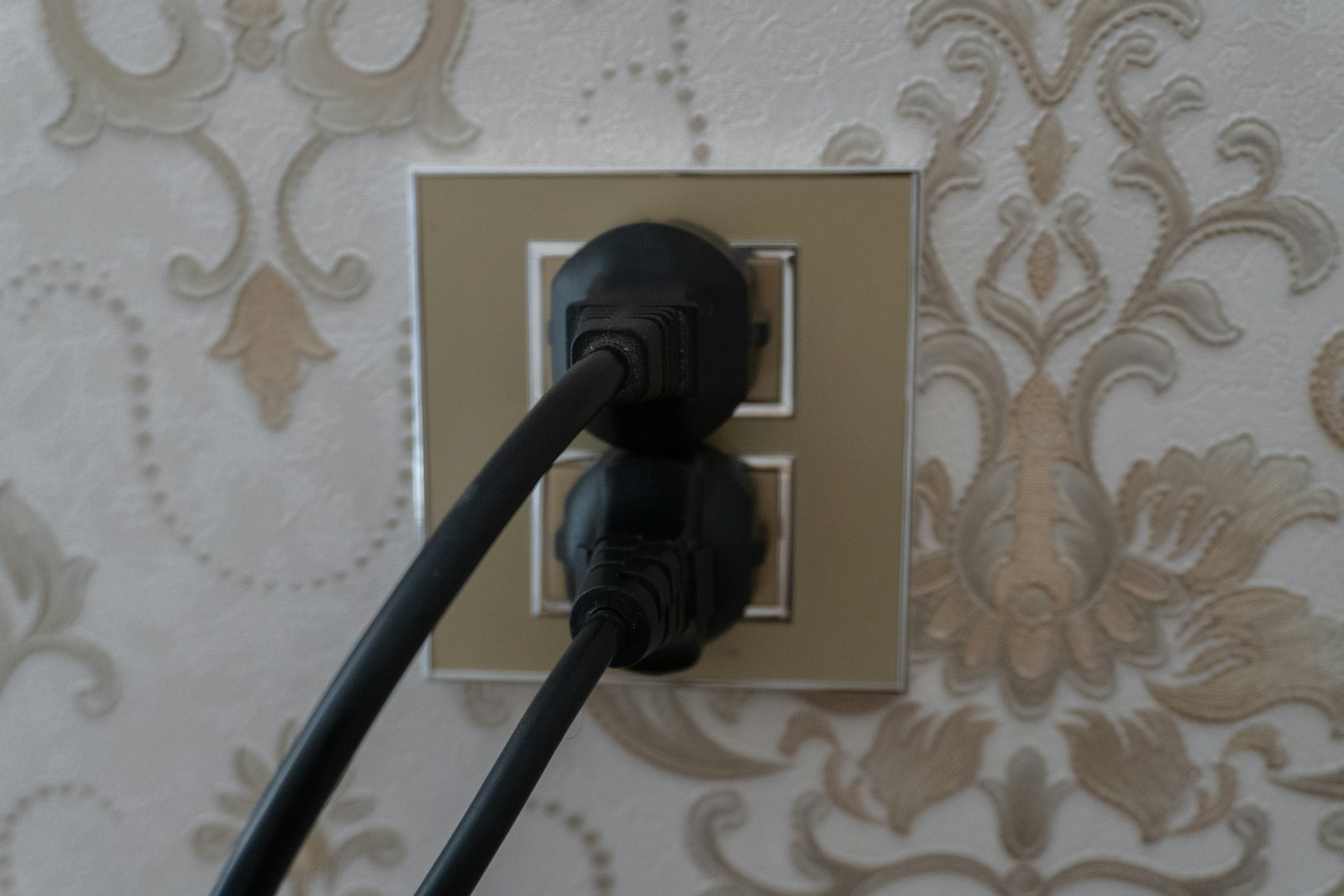
You might plug lots of gadgets into one outlet for convenience, but that concentrates current and creates hidden heat. Repeated trips or warm plugs signal a problem you shouldn’t ignore.
Move high-wattage appliances to separate circuits and avoid daisy-chaining power strips. Check breaker trips and call an electrician if they keep happening.
Learn which devices draw the most power so you can spread the load across your home. For guidance on risks from too many devices on one outlet, read about the hidden dangers of outlet overload.
DIY electrical work without permits or proper knowledge
You might think flipping a breaker and rewiring a switch is simple, but electrical rules exist for safety and inspections. Skipping permits can lead to fines and problems when selling your home.
Incorrect wiring risks fires, shocks, and damage to appliances. If you’re unsure, call a licensed electrician who understands local code and inspection requirements.
For common permit pitfalls and why inspections matter, read about illegal DIY projects and permit risks.
Using outdated or damaged electrical panels
If your breaker box looks old or has scorch marks, don’t ignore it. An aging panel can fail to trip or overheat, raising fire risk and appliance damage.
You might notice flickering lights, frequently tripped breakers, or burning smells. Have a licensed electrician inspect panels showing rust, loose wires, or aftermarket fixes.
Upgrading an undersized panel improves safety and lets your home handle modern loads. Learn more about warning signs and risks of old panels from this guide on outdated electrical panels.
Skipping regular inspections for loose wiring
You might ignore loose wiring because nothing seems wrong right now. Small movements or buzzing can hide connections that heat up over time.
Have a pro check connections during routine inspections to catch loose terminals and backstabbed outlets. Fixing them early cuts fire risk and prevents premature appliance failure.
More from Willow and Hearth:
Leave a Reply