You probably remember wandering through bright corridors and stumbling on quirky spots that made mall trips feel like mini-adventures. This article shows what used to make malls feel lively and why those familiar features quietly disappeared.
You’ll get a clear sense of which six mall features have vanished and what that change says about how shopping and social spaces evolved. Expect quick snapshots that connect past moments—like fountain seating, arcades, and food counters—to the bigger shifts that changed how you spend free time.
Fountain seating areas
You probably remember sitting on the low walls around a mall fountain, chatting or watching the jets. Those seating nooks often doubled as meeting spots and made the center feel lively.
Malls removed many fountains to cut maintenance costs or make room for kiosks and seating. You can still spot faint water stains or planters where they used to be in some redeveloped centers (see changes to mall features).
Kiosk attendants
You remember the friendly (or pushy) person staffing the spinning toy booth or phone-case station.
They knew product quirks, offered demos, and could personalize items while you waited.
You could haggle, ask for repairs, or just chat about the best mall eats.
Those human touchpoints faded as kiosks moved to self-service models and online sellers.
Arcade game zones
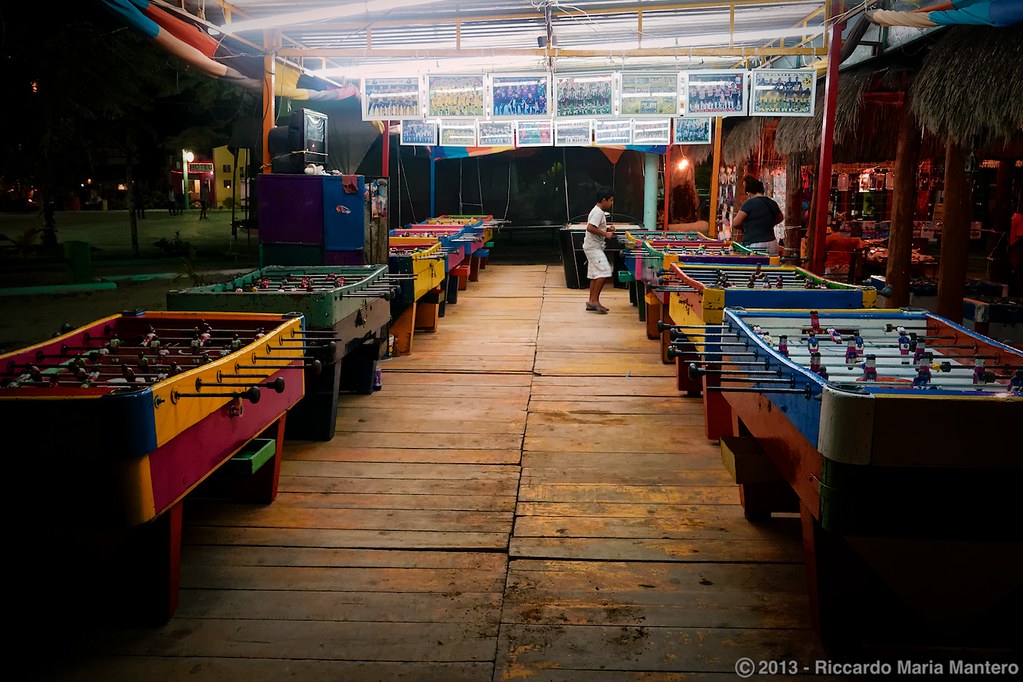
You used to wander into a neon-lit corner of the mall and find rows of cabinets and ticket dispensers.
Those arcade game zones were noisy social hubs where you could challenge friends and burn a pocketful of quarters.
Now most malls replace them with kiosks or empty spaces, as home consoles and phones took over casual gaming.
If you miss that scene, a few standalone arcades and retro spots still recreate the vibe.
Record stores
You used to wander into malls and lose time flipping through rows of vinyl, CDs, and mixtapes. Staff knew tastes and handed you hidden gems, not algorithms.
Album art and liner notes gave context you couldn’t scroll past, and listening booths let you sample before buying. For a snapshot of that era, see a look back at mall music shopping’s heyday.
Food court counters with unique local eats
You used to wander food courts and find counters selling regional specialties you couldn’t get anywhere else.
Those booths served city-style tacos, chowders, or Polish sausages that made mall trips feel like small food adventures.
Now most malls carry national chains instead, so those local vendors vanished with shrinking rents and fewer shoppers.
If you miss them, check local markets or pop-up events where some cooks have moved their recipes back into the community.
Video rental shops
You used to wander aisles of tape and DVD cases, judging movies by covers and staff picks.
Browsing felt social — you chatted with clerks, swapped recommendations, and discovered oddball titles you wouldn’t find on platforms.
Physical rentals gave you serendipity that algorithms rarely replicate.
Many shops closed as streaming grew, though a few independents still survive for people who prefer tactile browsing and human advice.
For a look back at the culture and decline of these stores, see this piece on the rise and fall of video rental stores.
More from Willow and Hearth:
Leave a Reply