You probably walk past old bowls, pans, and gadgets in your kitchen and assume they’re just clutter. Some of those forgotten pieces can actually attract collectors and command real interest, so taking a closer look could pay off.
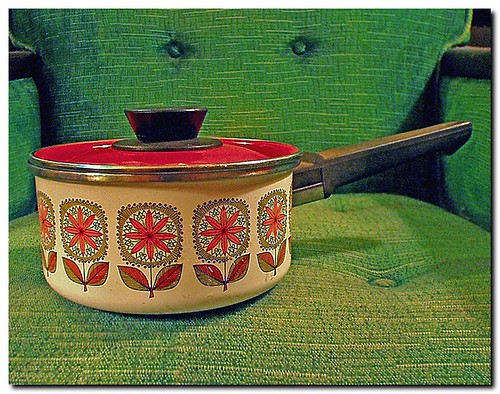
This article will show you which kinds of vintage kitchen items commonly get tossed and why people hunt for them, from classic mixing bowls and cast-iron skillets to retro Tupperware and antique irons. Keep an open mind while you sort through your cabinets—what looks like junk might be someone’s next prized find.
Vintage Pyrex mixing bowls
You might have a set of patterned Pyrex hiding in a cabinet that collectors hunt for. Condition and pattern matter; rare ’60s–’70s designs can sell for significantly more than plain pieces.
Check bottoms for maker marks and avoid items with heavy chips or crazing. If the colors are bright and the decals intact, your bowls could attract buyers on sites like eBay or in vintage groups.
Cast iron skillets from Lodge
If you find an old Lodge skillet at a yard sale, don’t toss it — you might have a usable collector’s piece.
Look for the inset size number and the three-notch heat ring that hint at 1940s–1950s production; those details attract buyers and enthusiasts.
A well-cared-for #6 or similar size can be cheap to restore and cooks beautifully after reseasoning.
Check listings like this vintage Lodge #6 on Etsy to see typical examples and demand.
Vintage KitchenAid stand mixers
You might toss an old KitchenAid mixer because it looks dated, but collectors hunt those exact models. Small-damage machines or unusual colors can still fetch interest from buyers and restoration enthusiasts.
Check for model numbers and metal housings; older metal-bodied units often outlast modern plastics. If you want to sell or preserve one, clean it, note wear, and list clear photos to show its character and condition.
Consider browsing listings like this vintage KitchenAid selection to compare prices.
Retro Tupperware from the ’70s
You probably have brightly colored nesting bowls or oddly shaped containers stashed in a cabinet.
Collectors prize pieces from the 1970s for their colors, patterns, and seldom-seen designs.
Check for intact lids, embossed logos, and non-brittle plastic to gauge value.
If you want to learn more about identifying desirable pieces, see this guide on 70s household items that became collectible.
Old copper cookware
You might find dented or dull copper pots in a thrift pile and think they’re trash. Collectors and cooks value solid copper for heat control and vintage character, so those pieces can be worth more than you expect.
Check for stamped marks or heavy-gauge construction to confirm authenticity. Learn how to ID and care for them by reading a dealer’s guide to antique copper kitchenalia.
Antique waffle irons
You might have an old cast-iron waffle iron tucked away that collectors chase. These heavy, well-made pieces, especially from makers like Griswold, can fetch interest for their craftsmanship and patina.
Check hinges, embossed patterns, and maker marks before you toss it. Clean, unrestored irons often appeal more to collectors than over-polished restorations.
If it works, that’s a bonus — functional vintage waffle irons are desirable for both display and use; list measurements and photos when you sell.
Antique Griswold cast iron waffle iron: a collector’s gem
More from Willow and Hearth:
Leave a Reply