You’ll find a lot to love about homes built in the 1800s—details that change ordinary rooms into places with history and personality. This article shows seven charming features that can inspire your own decorating, restoration, or house-hunt decisions by highlighting the details that make these houses feel special and livable.
Explore how architectural choices—from fireplaces and tiled floors to oddities like voice pipes and dumbwaiters—shape how people lived and used their homes. You’ll come away with ideas you can spot on a tour, keep during a renovation, or borrow to add character to a modern space.
Ornate fireplaces with detailed mantels
You’ll often find fireplaces carved from marble or wood with intricate scrollwork and floral motifs.
These mantels served as both heat sources and focal points that showed a household’s taste.
Place mirrors, clocks, or family portraits above the mantel to recreate the period look.
Victorian-era mantels can add warmth and architectural interest to a modern room when restored or replicated.
Tiled flooring featuring intricate patterns
You’ll often find patterned tiles in 1800s homes, especially in entryways and kitchens. They use geometric motifs and repeating shapes that draw the eye.
These floors mix encaustic and ceramic tiles for color and durability. Patterned tiles can echo period styles or give a subtle vintage touch to modern rooms.
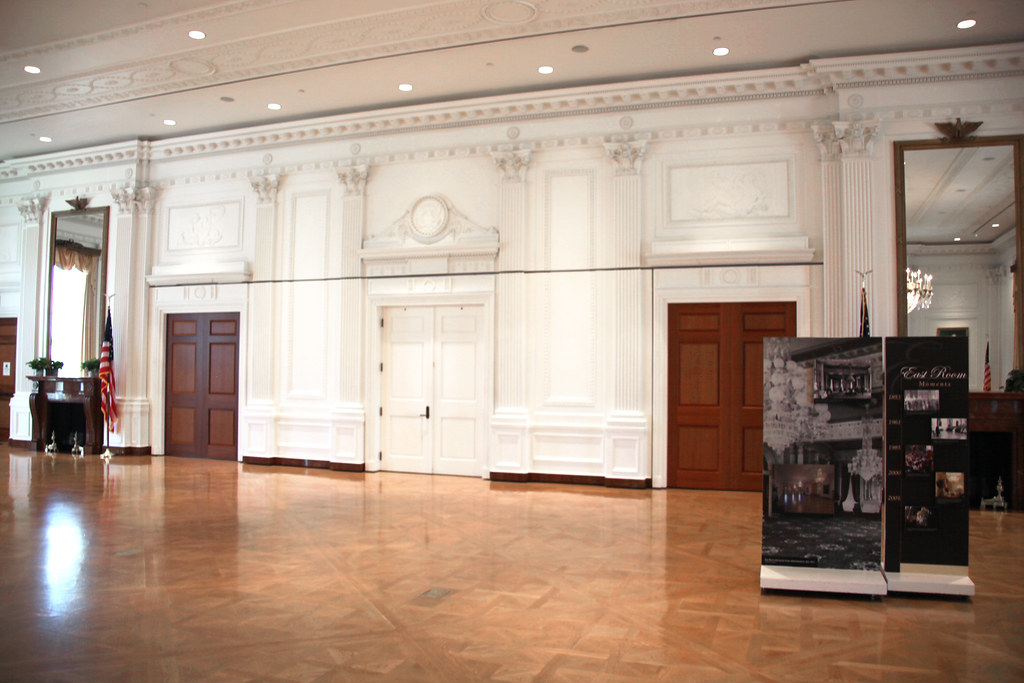
Look for examples of classic layouts like the Versailles-inspired repeats and encaustic motifs for authentic detail. The look adds character without overpowering your space.
Unique arches in doorways and windows
You’ll notice shallow or rounded arches above doors and windows that soften straight lines and add old-house charm.
These arches often save materials while keeping strength, a practical detail from the 1800s that still looks stylish today.
Keep an arch when renovating to preserve character, or mimic the shape in new trim for a vintage touch.
See examples of classic arch styles and uses in historic homes at Century Homes America.
Voice pipes for calling between rooms
You’d speak into a flared mouthpiece and your voice would travel through a narrow tube to another room.
These talking tubes served wealthy homes and ships before telephones, letting you summon staff or call family without shouting.
Sometimes they included whistles or angled fittings to boost clarity.
You’ll find examples and historical details in collections about Victorian speaking tubes.
Turrets and towers adding charm and space
You’ll spot turrets and towers on many 1800s homes, especially Queen Anne styles, where they lift the roofline and catch the eye.
They often have cone or polygonal roofs and add a cozy nook or extra floor space inside.
These vertical elements blend decoration with function, giving you bay windows, window seats, or small observation rooms.
If you love character, a turret transforms an ordinary room into a distinctive, light-filled corner.
Learn more about turret features and history from this overview of Victorian turrets and their timeless charm.
Dutch doors splitting in half horizontally
You’ll spot Dutch doors where practicality met charm in 1800s homes.
They split horizontally so the top opens while the bottom stays closed, letting light and air in without losing privacy or keeping children and pets inside.
You can latch the halves together or use the top alone for quick visits and fresh air.
Modern restorations keep that vintage look while adding weatherstripping and secure locks for everyday use.
See an example of the classic split design at House Beautiful.
Dumbwaiters for easy food delivery
You’d find a small lift tucked near the kitchen in many 1800s homes, meant to carry plates, pots, and bottles between floors.
They saved steps and kept servants—and guests—out of the traffic of daily chores.
Some were manual pulley systems; others later used electric motors.
A working dumbwaiter lets you send meals up without shouting or running.
See a brief history and modern uses at the Dumbwaiter – Wikipedia.
More from Willow and Hearth:
Leave a Reply