You probably remember a few mall names or catalogue brands that felt like staples — then vanished. This article helps you reconnect with seven home goods and specialty retailers that once shaped how you shopped for everything from décor to outdoor gear.
You’ll get quick reminders of what made each chain memorable and why they faded, so you can spot the trends that reshaped retail. Flip through the list to jog your memory and see how stores like Pier 1 Imports and Linens ‘n Things fit into a bigger retail story.
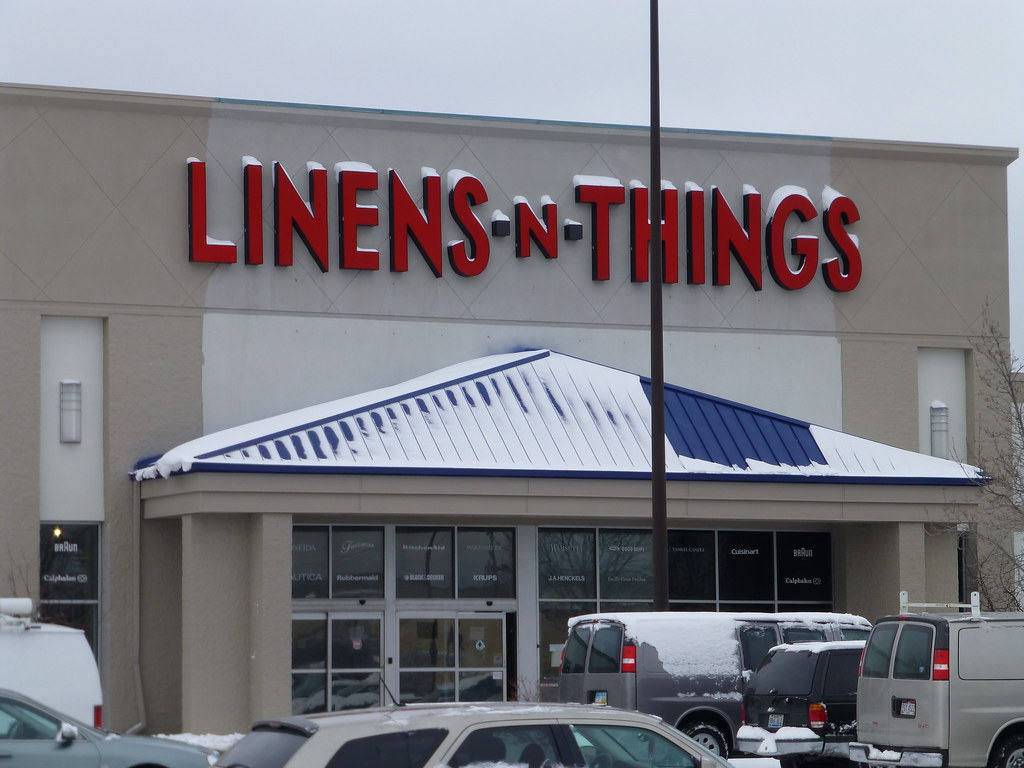
Linens ‘n Things
You probably remember wandering aisles of comforters, towels, and quirky kitchen gadgets at Linens ‘n Things.
The chain grew from a single store in 1975 into a big-box fixture, then filed for bankruptcy and closed its stores in 2008.
Today the name lives online, so you can still find bedding and home accessories under that brand.
If you miss the late‑90s home-goods rush, Linens ‘n Things captures that era’s mix of practical finds and impulse buys.
Pier 1 Imports
You probably remember browsing colorful aisles stacked with imported pillows, pottery, and quirky accents.
Pier 1 grew from a single store in 1962 into a national chain known for globally inspired décor and seasonal finds.
When competition and shifting shopping habits hit, Pier 1 filed for bankruptcy and closed most physical locations in 2020.
Today it operates primarily online, so you can still hunt for that once-familiar style through its e-commerce site: Pier 1 Imports (Wikipedia).
Galyan’s Trading Post
You probably remember Galyan’s as the big sporting-goods store with indoor climbing walls and demo spaces that made shopping feel like an activity.
Founded mid-20th century in Indiana, it grew from a small grocery into a regional destination before being bought and folded into larger chains.
If you miss hands-on gear tests and oversized retail spaces, Galyan’s represents that era of experiential shopping.
Read more about Galyan’s history and growth at the Galyan’s Wikipedia page.
Gander Mountain
You might remember Gander Mountain as the big-box outdoor chain that sold camping gear, fishing tackle, and hunting supplies.
It started as a mail-order business in 1960 and grew into a national retailer based in St. Paul, Minnesota, before its stores closed and the brand shifted formats.
If you miss window-shopping boots and tents, some inventory and branding live on through the relaunched online and specialty outlets tied to the Gander name.
See the brand history and retail focus at the Gander Mountain Wikipedia page (https://en.wikipedia.org/wiki/Gander_Mountain).
Davega Stores
You might not remember Davega Stores, a regional chain that sold appliances, sporting goods, and apparel around New York City in the 1950s.
You’d find a mix of household items and seasonal gear across its 27 locations, making it a neighborhood one-stop shop for everyday needs.
If you’re curious about its history and footprint, the Wikipedia entry on Davega Stores gives a concise overview.
Golfsmith
You probably remember Golfsmith as a big-name golf retailer that grew from a small parts shop into over 100 stores by the 2010s.
They sold clubs, apparel, gear, and offered custom fitting and lessons, so you could get everything in one place.
After bankruptcy in 2016, Dick’s Sporting Goods bought parts of the business and absorbed many assets.
If you want to learn more about Golfsmith’s history and acquisition, check this account of Golfsmith’s history and legacy.
G.I. Joe’s
You probably remember G.I. Joe’s as a local chain that started from an army surplus shop in Portland and grew into sporting goods and auto parts stores.
By the late 1990s it ran a modest number of stores around Oregon and Washington before shrinking and disappearing from many shoppers’ routines.
If you liked aisle-browsing for outdoors gear or parts, G.I. Joe’s likely felt familiar — now it mostly lives in memories and business histories like this company profile (https://www.company-histories.com/GI-Joes-Inc-Company-History.html).
More from Willow and Hearth:
Leave a Reply