Our dogs are more than just pets; they’re our furry family members, our loyal companions, and sometimes, our best friends. They have their quirks and habits that we love to observe. But just like us, dogs can experience changes that might hint at bigger health issues lurking beneath the surface. As pet parents, it’s crucial to keep an eye out for those subtle shifts that might not seem significant at first but could indicate something more serious. So, grab a cup of coffee and let’s chat about seven changes that your vet says you should definitely not ignore.
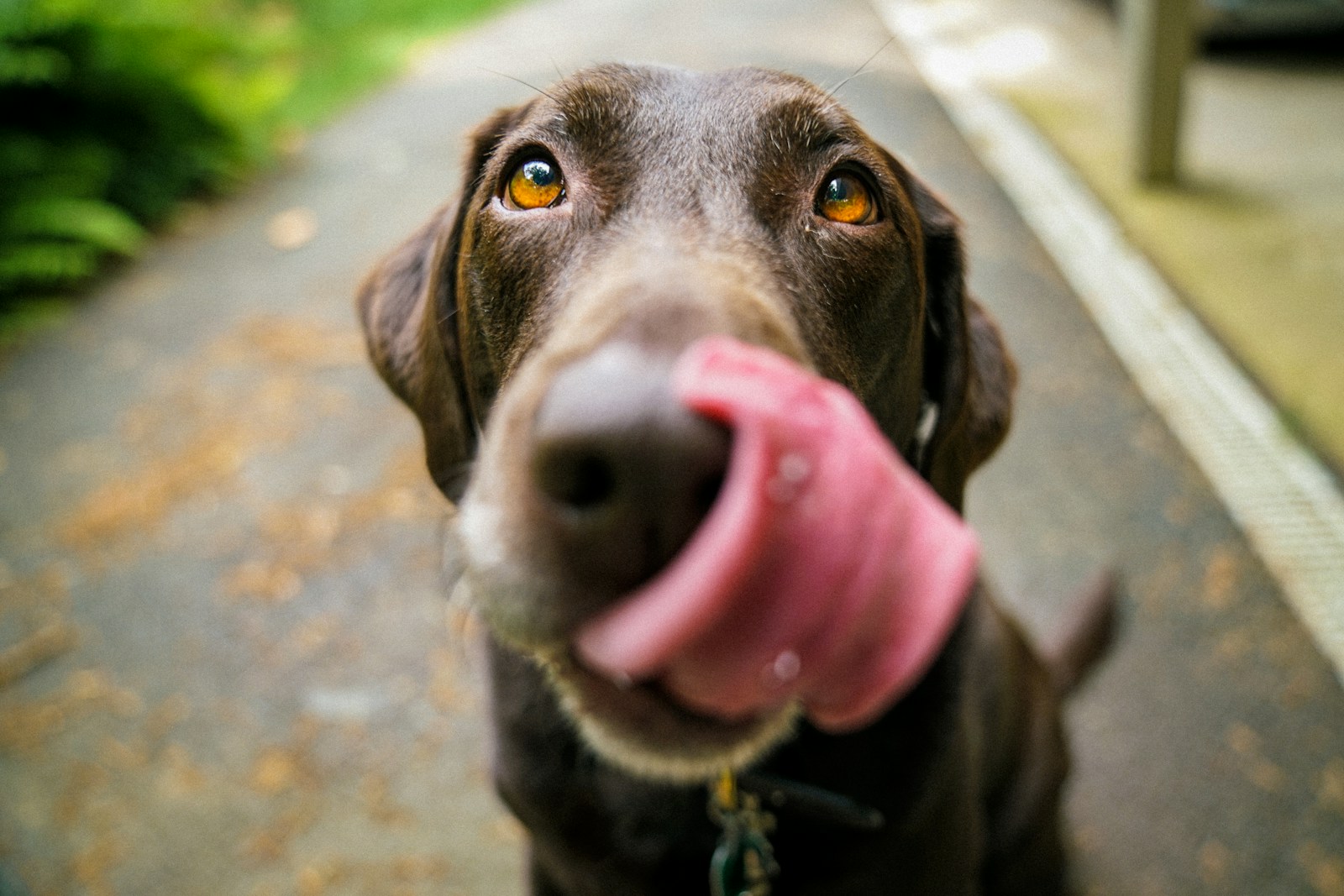
1. Changes in Appetite
Ever notice your pup suddenly snubbing their favorite kibble? A sudden decrease in appetite can be a red flag. While dogs can have off days (much like us when we’re staring at the fridge wondering what to eat), a persistent lack of interest in food can signal health issues ranging from dental problems to more serious conditions like kidney disease. On the flip side, if your dog suddenly becomes a food vacuum, that could point to behavioral issues or even diabetes. Keep an eye on their eating habits — they can tell you a lot.
2. Weight Fluctuations
Speaking of appetite, weight changes can also be a cause for concern. If your dog is packing on the pounds or shedding them faster than you can say “treat,” it might be time for a vet visit. Weight gain can lead to a whole slew of health problems like joint pain or heart disease, while unexpected weight loss could be a sign of conditions like hyperthyroidism or even cancer. Besides, nobody wants an overweight dog who can’t keep up during playtime, right?
3. Behavioral Changes
Has your usually playful pup turned into a couch potato? Or maybe your quiet dog suddenly won’t stop barking? Changes in behavior can point to physical or emotional distress. If your dog is more anxious, irritable, or just not acting like their usual self, it’s worth investigating. Sometimes it’s just a case of the “blahs,” but other times, it can signify pain or illness. Dogs are creatures of habit, and any shift in their behavior should make you raise an eyebrow.
4. Lethargy and Energy Levels
If your dog seems to have traded in their zoomies for long naps, it could be more than just a lazy afternoon. While all dogs enjoy a good snooze (who doesn’t?), a sudden increase in lethargy can indicate underlying health problems such as anemia, arthritis, or even heart disease. Keep an eye on their energy levels; if they’re not bouncing around like they used to, that’s worth a second look.
5. Changes in Bathroom Habits
It’s not the most glamorous topic, but bathroom habits can tell you a lot about your dog’s health. If your pup is having accidents in the house after being reliably house-trained, or if they’re suddenly drinking more water than a thirsty camel, it’s time to pay attention. Frequent urination and increased thirst can signal diabetes or kidney issues, while diarrhea or constipation can indicate dietary problems or infections. If you wouldn’t ignore a sudden change in your own bathroom habits, don’t ignore your dog’s!
6. Skin and Coat Changes
When was the last time you gave your dog a good pet? If you notice any changes in their skin or coat, like excessive shedding, bald spots, or unusual lumps, don’t brush it off. Healthy skin and a shiny coat are signs of a healthy pup, so any changes could indicate allergies, infections, or even parasites. Plus, who doesn’t love a good snuggle with a soft, fluffy friend? Keep them looking and feeling their best!
7. Bad Breath or Oral Health Issues
Let’s talk about that doggy breath. If your pup’s breath smells like something died in there, it’s probably time for a dental check-up. Bad breath can be a sign of dental disease or oral infections, which can lead to serious health problems if left untreated. Regular dental care is key for your dog’s overall health, not to mention, you want to avoid those awkward moments when they try to give you kisses!
In the end, our dogs rely on us to notice the little things. Regular check-ups with the vet are key, but being attuned to your dog’s unique behaviors and habits can make a world of difference. So, the next time you feel that something’s a little off, trust your instincts.
More from Willow and Hearth:
Leave a Reply