So, you’ve noticed your feline friend has taken a liking to that cozy corner under the stairs or perhaps the laundry basket that’s been sitting in the corner for too long. It’s all cute and cuddly until you realize they’ve abandoned their usual napping spots. Suddenly, you’re left wondering: Is this just a quirky cat thing, or could it be a sign of something more concerning? Let’s chat about what this could mean.
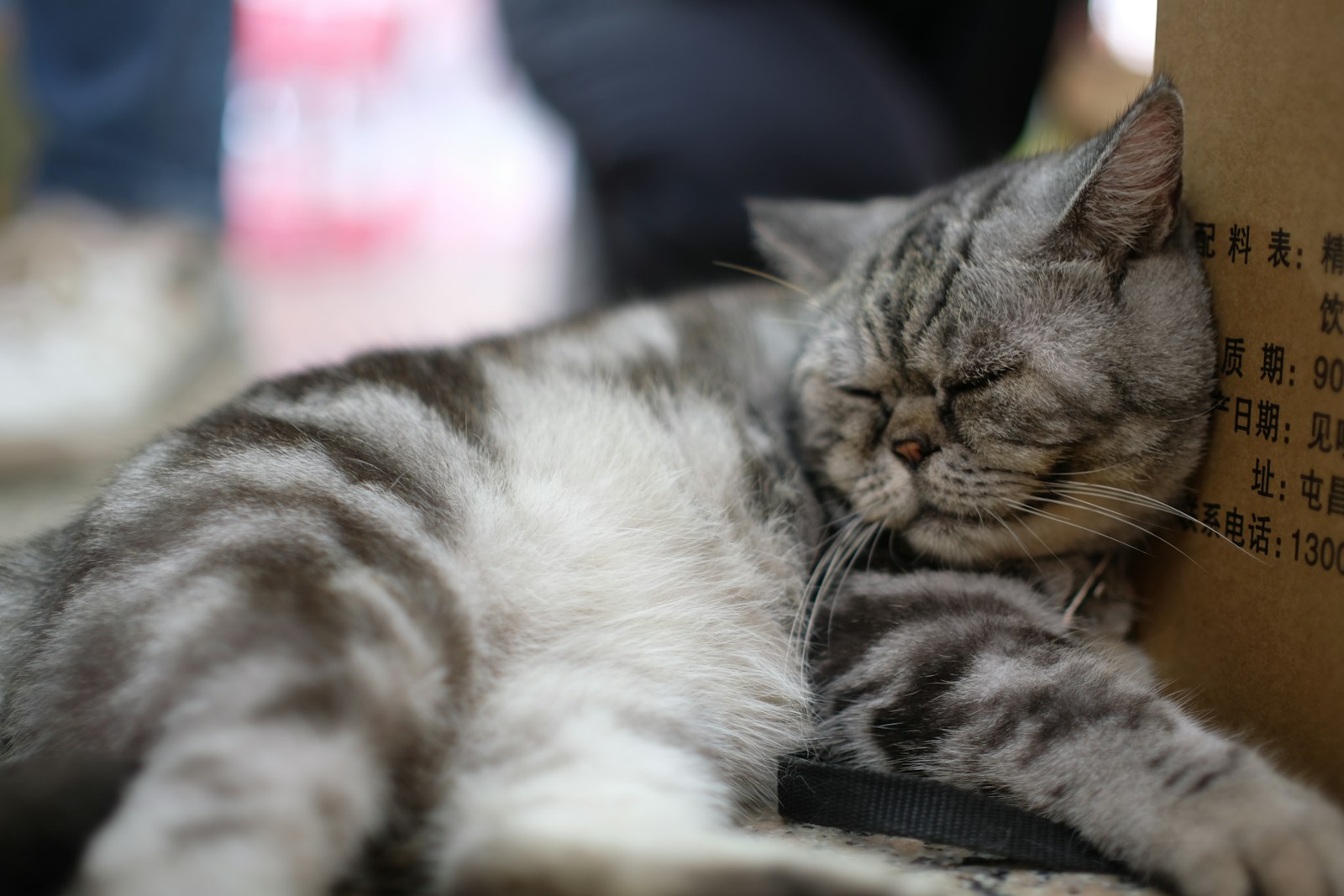
Changing Habits: A Normal Thing?
First off, cats are notorious for their ever-changing habits. One day they’re sprawled out on your favorite armchair, and the next day they’ve claimed the top shelf of your closet. It’s all part of their charm, right? Cats can be fickle creatures, and sometimes a new sleeping spot is just them exploring their territory or finding a new sunny spot to catch some rays. But when does this change become a reason for concern?
Health Issues: A Possible Culprit
One of the first things to consider is your cat’s health. If your usually active furball suddenly turns into a sleepyhead, it might be time to pay attention. Cats often seek out new spots when they’re feeling unwell. They may choose quieter, hidden areas to rest, which can be instinctual behavior; in the wild, a sick animal would want to hide to avoid predators.
If you notice your cat is also showing other signs of distress—like changes in appetite, lethargy, or unusual bathroom habits—it’s definitely worth a trip to the vet. Remember, we want to make sure our fluffballs are healthy and happy, and sometimes that means checking in with a professional.
Environmental Changes: Stress Alert!
Now, let’s talk about stress. Cats are creatures of habit, and any changes in their environment can throw them off balance. Have you moved furniture around? Introduced a new pet? Or maybe there’s a new baby in the house? All of these can lead your cat to seek out new hiding spots as a way to cope with their anxiety. They might feel safer in a secluded nook, away from whatever’s stressing them out.
If your cat’s behavior changes after an environmental shift, it might be time to create a more secure space for them. Adding cat trees, cozy beds, or even just a designated quiet zone can help them feel more at home. Trust me, a happy kitty means a happy home!
Age Matters: Senior Cats and Their Habits
If your furry friend is getting up there in years, changes in sleeping habits can be a normal part of aging. Older cats might find it harder to jump up to their favorite high spots or may prefer the comfort of a softer surface. That said, if an older cat is suddenly sleeping more or in strange places, keep an eye on their overall behavior.
Sometimes, older cats can develop arthritis or other health issues that make certain positions uncomfortable. If you suspect this might be the case, a vet visit can help ease their discomfort and improve their quality of life. You want your aging kitty to feel as sprightly as possible, right?
Curiosity Killed the Cat? Not Quite
Let’s not forget that cats are naturally curious creatures. Sometimes, they just want to explore! A new sleeping spot could simply be a new favorite nook they’ve discovered. They love to observe their surroundings from various angles, and if they find a cozy spot that offers a good view, it might just be a case of feline curiosity. It’s their world; we’re just living in it!
However, if they’re climbing into places they shouldn’t—like your pantry or the top of the fridge—it’s time to rethink your home layout. Cats are experts at finding the most inconvenient places to nap, and while it’s amusing, it can lead to troublesome situations if they get stuck.
What Can You Do?
So, what should you do when you notice these changes? Start by observing. Keep an eye on your cat’s behavior and look for any signs that might indicate they’re feeling unwell or stressed. A little detective work can go a long way in understanding your kitty’s needs.
Creating a comfortable environment should also be a priority. Make sure they have access to cozy spots, and consider adding some enrichment activities to keep their spirits high. Toys, scratching posts, and even interactive playtime can help alleviate stress and keep them engaged.
More from Willow and Hearth:
Leave a Reply