Have you ever noticed your furry friend cocking their head to the side when you speak? It’s like they’re trying to decipher a secret code. Well, it turns out, dogs are masters of reading our tone of voice, and they do it through some pretty fascinating sensory cues. If you’ve ever wondered how your pup can tell when you’re happy, sad, or even mad, you’re in for a treat. Let’s explore the four key sensory cues that help dogs react to the tone of our voices. Spoiler alert: it’s more than just barking back!
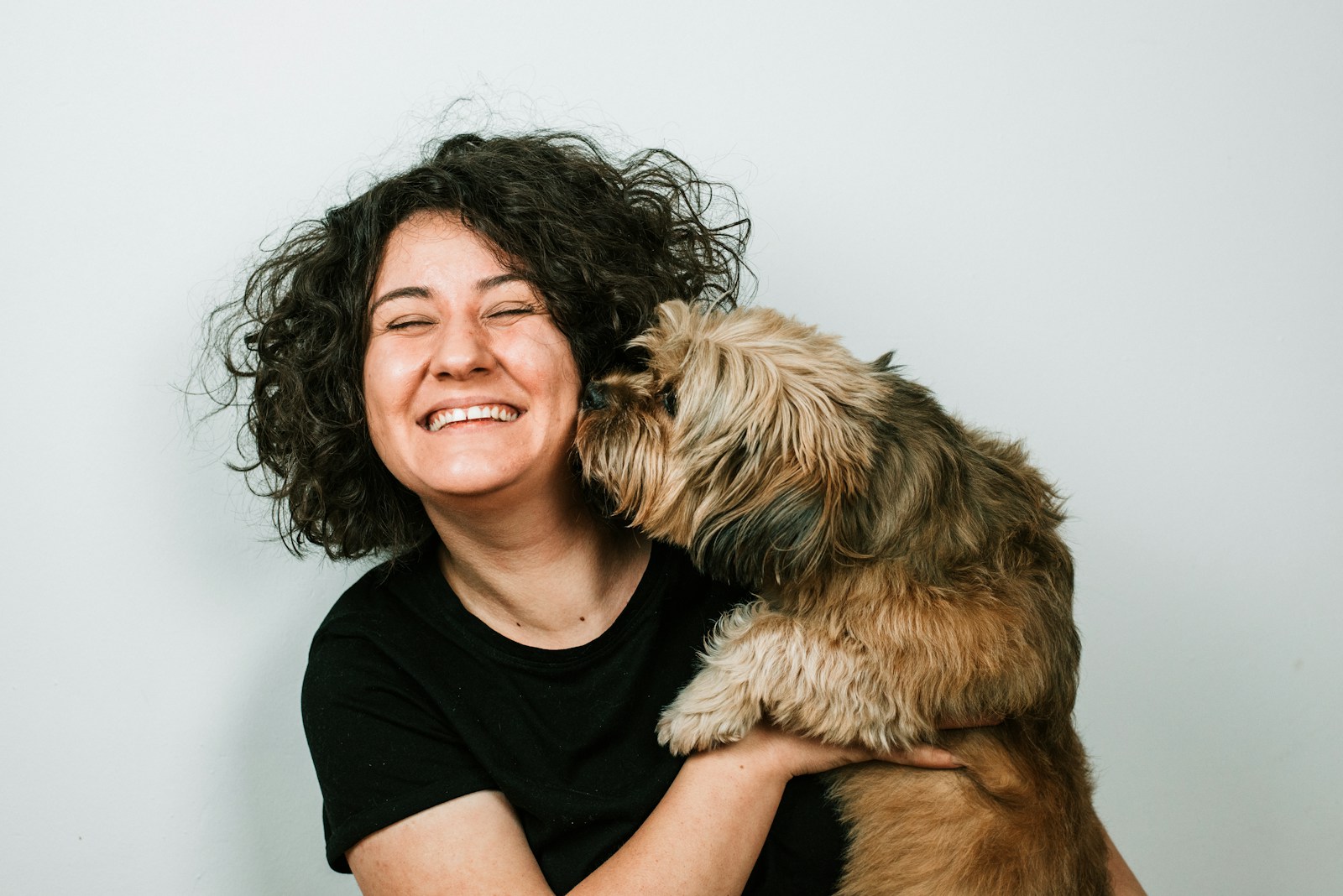
1. The Sound of Our Voices
First things first, dogs have an incredible sense of hearing. While we humans might think we’re loud and clear, our pups can pick up on the slightest variations in our tone. Imagine speaking to your dog in a high-pitched, cheerful voice—like you would with a baby. You’ll likely see their tail wagging and ears perked up. In contrast, if you raise your voice in frustration, you might see them shrink back a bit. It’s all about the sound waves and how they interpret those vibrations. Dogs can differentiate between happy tones and angry ones almost instantly, which is why they often respond differently based on how we sound.
2. Facial Expressions Matter
But it’s not just about the sound; it’s also about what’s happening on our faces. Dogs have evolved alongside us, developing a keen ability to read our emotions. When you speak in a happy tone, your smile and bright eyes send a whole different message than a frown or a scowl. Research shows that dogs are particularly good at picking up on human facial expressions. So, if you’re trying to train your pup and you’re not smiling, you might want to reconsider your approach! A cheerful face paired with a friendly tone can work wonders.
3. Body Language Speaks Volumes
Now, let’s talk about body language. Dogs are like little furry detectives, observing every move you make. If you’re leaning in and using open body language, that’s a signal that you’re feeling friendly and approachable. On the flip side, crossed arms or turned backs can send a message of disinterest or even aggression. Your dog is always watching, and they’ll react accordingly. Next time you’re chatting with your pup, pay attention to how you’re standing or sitting. You might find that a relaxed posture can lead to a more relaxed dog!
4. The Power of Context
Lastly, context plays a crucial role in how dogs interpret our tone of voice. They’re not just responding to the words we say but also to the situations we’re in. If you shout “walk!” in an excited tone, your dog will likely leap with joy. However, if you use the same tone while arguing with someone, they might feel anxious or confused. They’re masters at reading the room, so keep that in mind when you’re expressing yourself. A happy occasion calls for a happy tone, and your pup will pick up on it like a pro.
Building a Stronger Bond
Understanding how dogs react to our tone of voice can significantly strengthen the bond you share with your furry buddy. By being mindful of your tone and body language, you can create a more positive atmosphere for both of you. Next time you’re out for a walk or just hanging at home, try experimenting with different tones and observe how your dog responds. It’s like having a little conversation without words!
So, What’s the Takeaway?
In a nutshell, dogs are incredibly perceptive creatures who read our emotions through a combination of sound, sight, and context. The next time you’re chatting with your dog, remember they’re not just hearing your words—they’re soaking up every nuance of your tone and body language. So, whether you’re telling them they’re a “good boy” or negotiating their next treat, do it with enthusiasm and warmth. Your dog will appreciate the effort, and you’ll both enjoy the deeper connection that comes from understanding each other better.
And who knows? With a little practice, you might just unlock the secret to becoming your dog’s favorite human. Now, if only they could return the favor by telling us what they’re thinking!
More from Willow and Hearth:
Leave a Reply