Ever look at your dog and wonder what’s swirling around in that adorable head of theirs? One moment they’re chasing their tail, and the next, they’re acting like they’ve just spotted a ghost. Turns out, our furry friends can be pretty sensitive to their surroundings, and certain environmental triggers can send them into a tailspin of anxiety. So, let’s chat about five common culprits that might have your pup feeling a bit jittery.
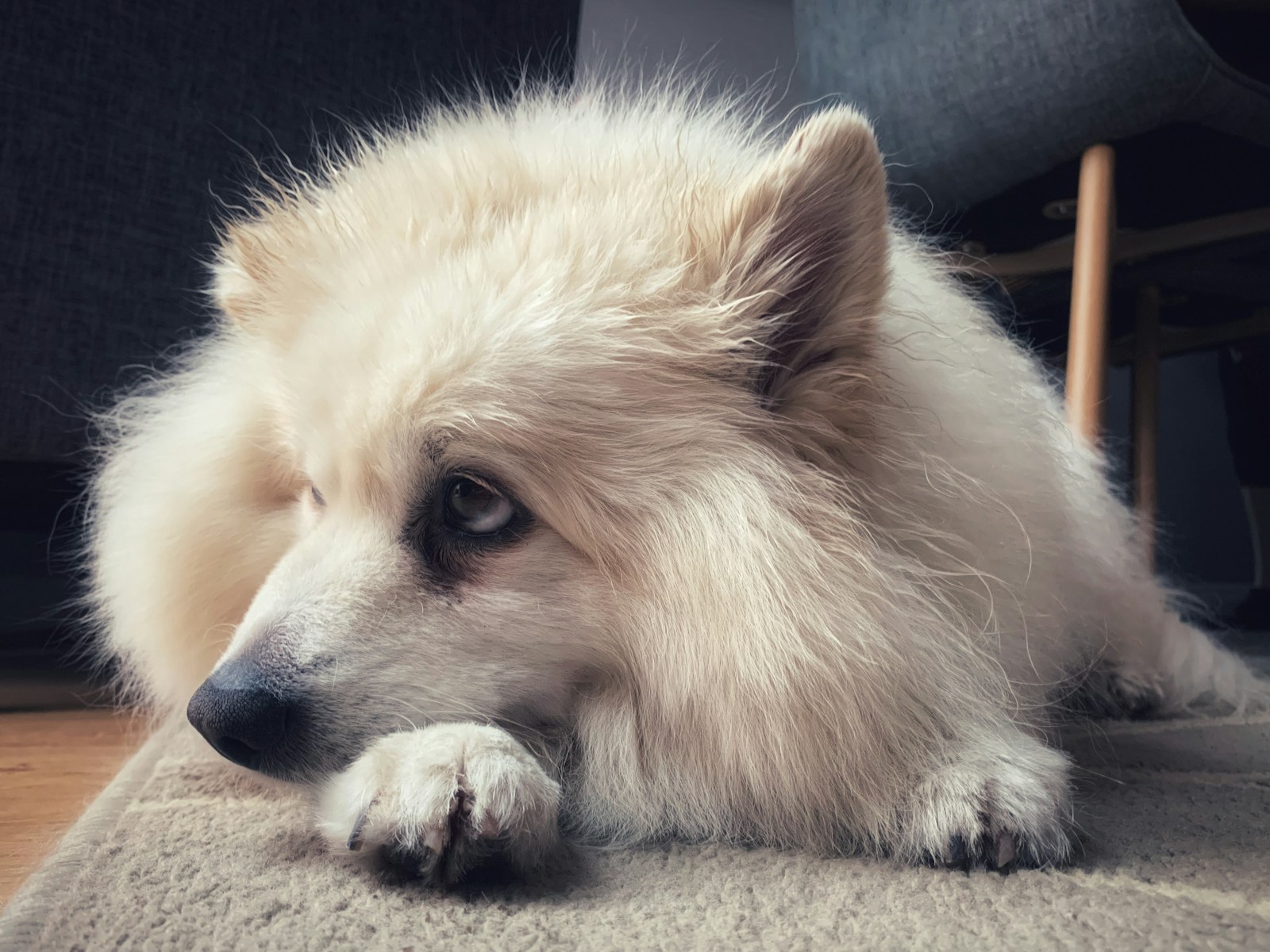
1. Thunderstorms and Loud Noises
Picture this: it’s a cozy evening, and you’re snuggled up on the couch. Suddenly, a clap of thunder shakes the windows, and your dog is nowhere to be found. Many dogs have a natural fear of loud noises, and storms are like that one party crasher that nobody invited. This anxiety can lead them to hide, shake, or even bark incessantly.
If your dog’s a thunder-phobic, creating a safe space can help. Think of it as their personal fort. You could set up a cozy blanket nest in a quiet corner, complete with their favorite toys. Some pups also benefit from calming music or white noise that drowns out the storm’s drama.
2. Fireworks
Ah, the Fourth of July – a time for hot dogs, parades, and, of course, spectacular firework displays. But for our four-legged friends? Not so much. Fireworks can be terrifying for dogs, leading to panic and stress. The bright flashes and loud booms are like a horror movie for them, and many will do anything to escape the noise.
To ease the anxiety, consider using a Thundershirt or similar calming wraps. These snug garments can mimic the feeling of a hug, providing comfort during those explosive displays. And if you’ve got a particularly anxious pup, it might be worth discussing options with your vet, who can recommend calming treats or other strategies.
3. Changes in Routine
Dogs are creatures of habit, and they thrive on routine. If you’ve recently switched up your schedule – maybe you’re working from home now, or you’ve started a new exercise regimen – your pup might be feeling a little lost. Dogs can pick up on our emotions and changes in their environment, and that can spark anxiety.
To help your dog adjust, try keeping their routine as consistent as possible. Regular feeding times, daily walks, and play sessions can provide a sense of stability. And don’t forget to shower them with some extra love and attention during these transitions. A little bit of reassurance goes a long way!
4. New People or Animals
New faces can be exciting for some dogs but downright terrifying for others. Whether it’s a neighbor dropping by or a new pet in the house, changes in the social scene can trigger anxiety. Dogs often rely on their familiar pack, and sudden introductions can leave them feeling unsure or threatened.
When welcoming new people or pets, take it slow. Allow your dog to approach at their own pace and give them space to sniff things out. A few treats can help smooth the introduction, making it a positive experience. Remember, first impressions matter – even in the canine world!
5. Separation Anxiety
Leaving your furry friend for even a short amount of time can feel like a mini heartbreak, especially if they’re glued to your side. Separation anxiety is a real struggle for many dogs, often stemming from strong bonds with their humans. When you step out the door, it can feel like the end of the world for them!
To help ease their anxiety, try practicing short departures and arrivals. This way, your dog can learn that you’ll always come back. Providing engaging toys or treat puzzles while you’re away can keep their minds busy and distract them from your absence. And if their anxiety is severe, don’t hesitate to reach out to a trainer or behaviorist for additional strategies.
Wrapping Up
Understanding what triggers anxiety in dogs is key to helping them navigate the world with a little less stress. Whether it’s those booming fireworks, a sudden change in routine, or the arrival of a new friend, being aware of these triggers allows you to provide the comfort and reassurance your pup needs. Remember, they rely on us to keep them feeling safe and secure.
So, the next time your dog seems a bit on edge, take a moment to consider what might be happening around them. With a little patience and love, you can help your furry buddy feel more at home.
More from Willow and Hearth:
Leave a Reply