So, the other day, I was sitting on the couch, half-listening to my daughter recount her day, when she dropped a little bombshell: “Mom, Grandma says kids with strict moms grow up resenting them and never forget it.” I nearly choked on my coffee. I mean, where do you even start with a statement like that? Is Grandma a wise sage or just someone who’s seen a few too many family dramas unfold?
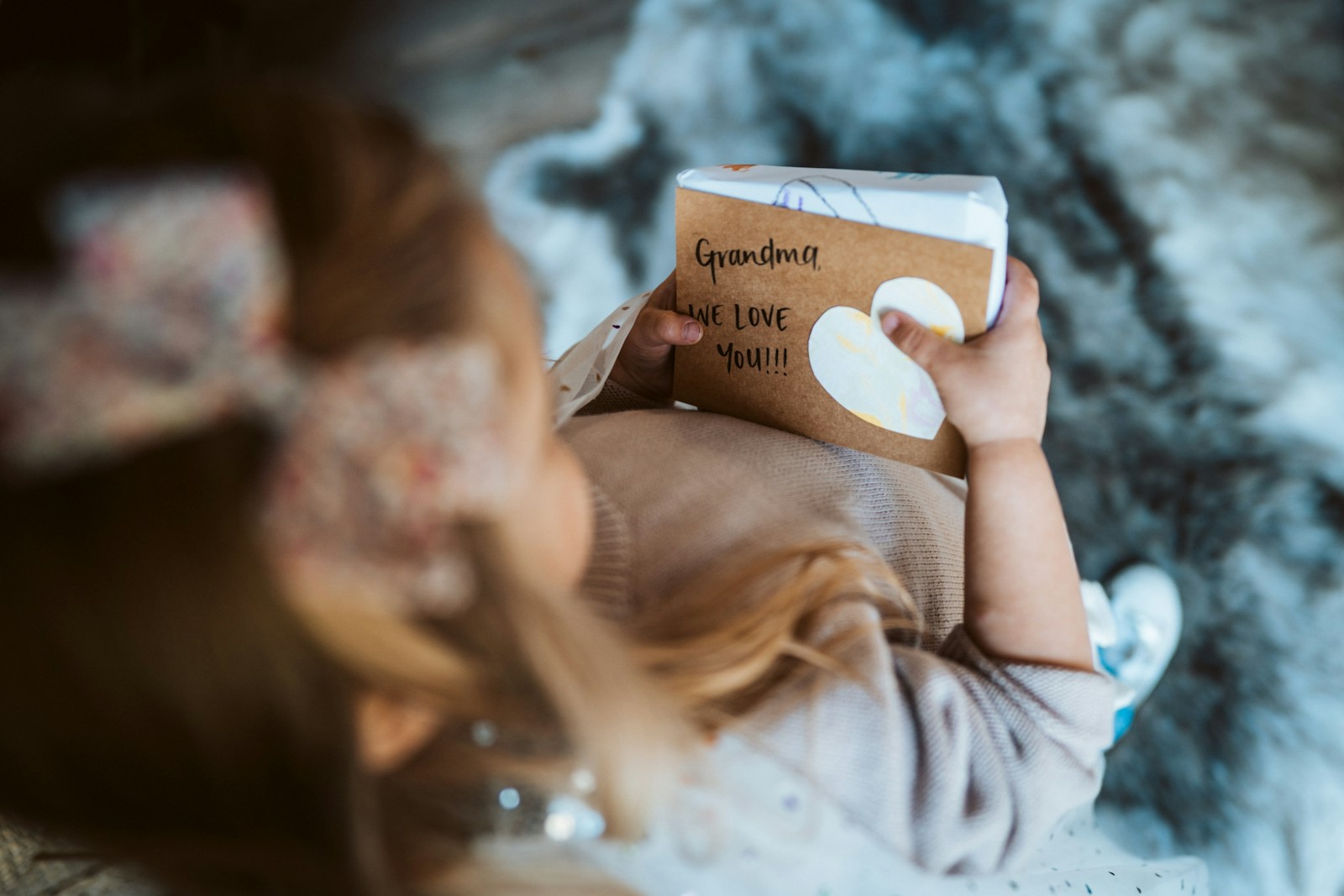
Now, I love my mom and respect her wisdom, but I couldn’t help but feel a bit defensive. I mean, isn’t there a fine line between being a strict mom and being a loving one? Sure, I have rules. I enforce curfews, insist on homework before screen time, and let’s not even get started on the vegetable debates. But am I setting my daughter up for a lifetime of resentment? That’s a heavy thought to carry.
What Does “Strict” Even Mean?
Strict parenting often gets a bad rap, but it really depends on how you define it. Is it about having high expectations? Or is it more about a no-nonsense approach to discipline? I think most of us can agree that a little structure isn’t a bad thing. After all, kids thrive on routine—most of the time, anyway. But where do we draw the line between structure and suffocation?
As I reflected on my parenting style, I realized that I try to balance rules with love. Sure, I’ve got my “no phones during dinner” and “homework before playtime” policies, but I also make it a point to spend quality time with my daughter—whether it’s baking cookies or just talking about her day. That’s what the kids really remember, right? The moments of connection amidst the rules.
What Kids Really Remember
Research has shown that kids do indeed remember their childhood experiences well into adulthood. But it’s not just about the rules we set; it’s about the love and support they feel while growing up. A strict mom might be viewed as someone who enforces boundaries, but if those boundaries come from a place of love, kids might actually appreciate the structure in hindsight.
Think about it: Many of us have stories from our own childhoods that reflect both the warmth and the firmness of our parents. I remember my mom insisting I practice the piano every day, and while I may have grumbled about it then, I’m grateful now that she encouraged me to stick with it. It wasn’t just about the music; it was about learning discipline and commitment. Does that mean I resented her? Not really. I think it’s more nuanced than that.
Striking the Balance
So how do we strike that delicate balance between being a strict mom and still being a source of love and support? It’s all about communication. When I lay down the law, I try to explain why those rules matter. “Honey, you can’t just eat ice cream for breakfast because your body needs fuel to learn and grow.” Okay, maybe I don’t say it quite like that, but you get the idea. It’s about making them understand the “why” behind the rules.
And let’s not forget the importance of listening. Sometimes, just sitting down and asking your kid how they feel about the rules can open up a whole new dialogue. If they feel heard, they’re less likely to grow up resenting those rules. Plus, you might just discover that they have some pretty valid points. Who knew kids could be so wise?
The Grandma Perspective
I get it—Grandma’s perspective comes from a place of experience. She’s seen the ups and downs of parenting and knows how easily kids can misinterpret strictness as a lack of love. But maybe it’s worth considering that every generation faces different challenges. What worked in Grandma’s day might not apply to today’s world. Parenting isn’t a one-size-fits-all gig.
At the end of the day, I think it’s about being intentional. If we set rules with love and communicate openly, we can create a home environment where our kids feel safe and understood. Sure, they might roll their eyes at us now, but down the line, they’ll remember the lessons learned, the love shared, and hopefully, not just the times they felt restricted.
Final Thoughts
So, what do you think? Are strict moms setting their kids up for a lifetime of resentment?
More from Willow and Hearth:
Leave a Reply