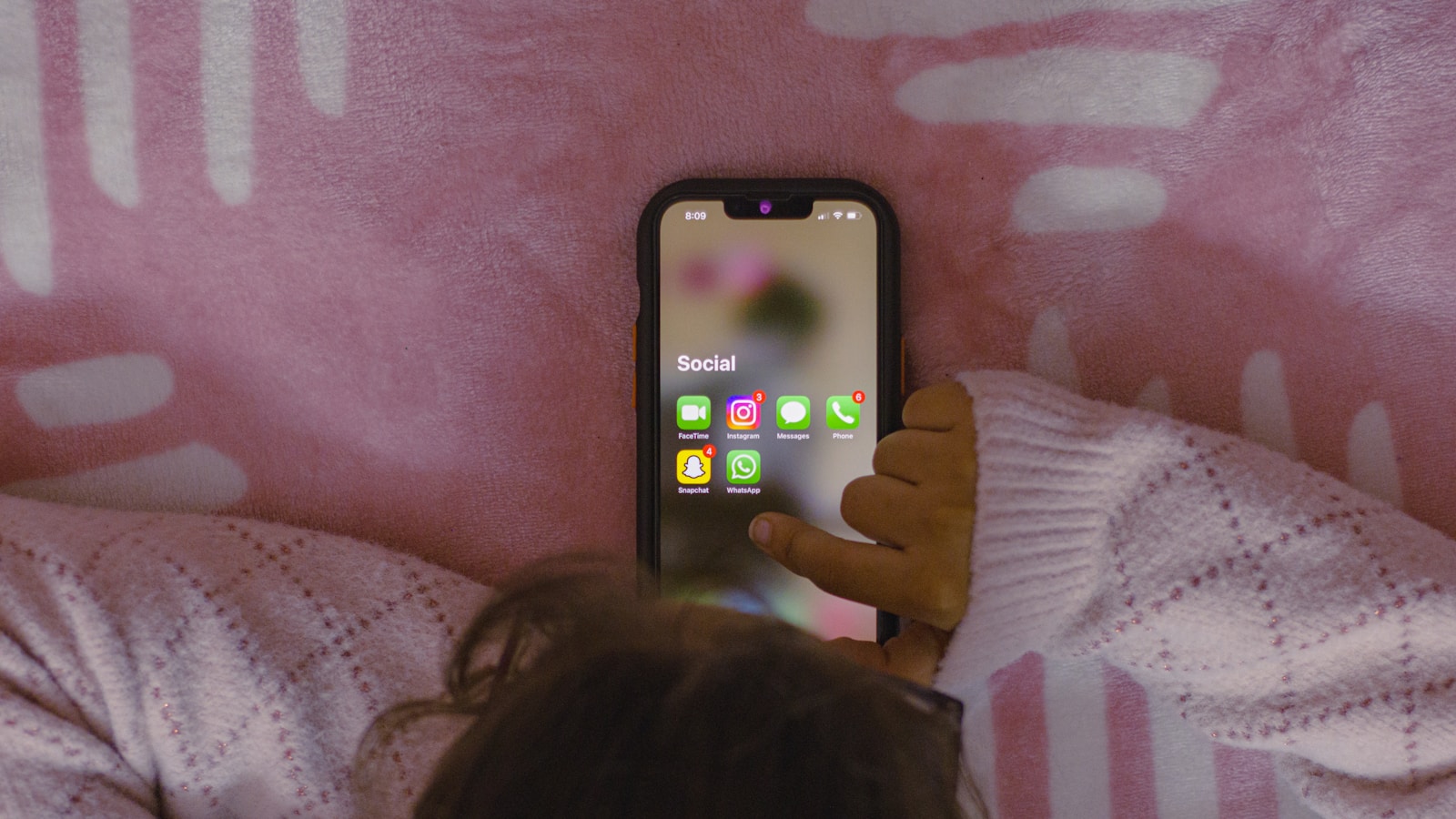
So, you’re in a loving relationship, and everything seems perfect—until your partner starts checking your phone “for transparency.” It sounds innocent enough, right? But let’s be real: there’s a fine line between transparency and surveillance, and if you’re feeling like you’re being monitored instead of trusted, that can put a serious strain on your relationship.
Understanding the Concept of Transparency
We often hear that honesty is the best policy in relationships, and transparency is a big part of that. But what does that really mean? At its core, being transparent means being open about your feelings, intentions, and even the things that make you tick. It’s about sharing your life with your partner, not locking yourself away like a vault. However, when transparency morphs into the need to inspect every message and notification, it can feel less like a partnership and more like an invasion of privacy.
Now, I get it—some folks think that sharing passwords and letting their partner peek at their texts is a way to build trust. But where does that leave personal boundaries? It’s like saying that because you love someone, you should have a right to their every thought and communication. Spoiler alert: that’s not how it works.
The Fine Line Between Trust and Surveillance
When your partner insists that checking your phone is about “transparency,” it’s easy to feel like you’re being accused of hiding something. After all, most of us value our privacy, and it’s natural to want a little space—even in a committed relationship. It’s not about having secrets; it’s about maintaining your individuality and respecting each other’s boundaries.
Think about it like this: Would you want someone rifling through your closet every time they doubted you? Probably not. Your phone is a digital extension of your personal life, filled with messages, photos, and memories that might not be meant for anyone else’s eyes. When that line gets crossed, it can feel like the trust you thought you had is suddenly up for debate.
What’s the Root of the Issue?
It’s essential to understand where your partner’s need for constant checking stems from. Are they insecure? Do they have trust issues from past relationships? Sometimes, a partner’s behavior can be rooted in their own experiences, and it can manifest in ways that feel controlling. That doesn’t excuse the behavior, but understanding it can help you have a more compassionate conversation about it.
Maybe they want to feel secure in the relationship, or perhaps they genuinely believe that transparency means no boundaries. Whatever the case, it’s crucial for both partners to communicate openly about their feelings and needs without resorting to manipulation or fear.
Opening the Lines of Communication
So, how do you approach this delicate topic? First, find a time when you both can sit down, free from distractions. You don’t want to have this conversation while you’re both scrolling through social media or binge-watching your favorite show. Make it a priority to create a safe space where both of you can share your thoughts honestly.
Start with “I” statements to express how you feel. For example, saying, “I feel uncomfortable when you check my phone because it makes me feel like you don’t trust me,” is much more constructive than “You’re invading my privacy!” This helps to avoid putting your partner on the defensive, making it easier for them to understand your perspective.
Setting Healthy Boundaries
After sharing your feelings, it might be time to establish some boundaries. Having a mutual understanding about privacy can help ease the tension. You might agree to share certain things, like your social media passwords, but also set clear limits on what feels acceptable regarding phone checks. This is about creating a partnership where both of you feel secure, not just one person’s idea of transparency.
Remember, boundaries aren’t about creating walls; they’re about defining the space in which both partners can thrive. It’s perfectly okay to have personal time and space, even in a loving relationship.
Finding the Middle Ground
It might take a few conversations to reach a compromise that works for both of you. Perhaps you could suggest regular check-ins, where both of you share your feelings and any concerns without the need to snoop through each other’s phones. This way, you’re fostering trust while respecting each other’s privacy.
Ultimately, a healthy relationship thrives on trust, communication, and mutual respect.
More from Willow and Hearth:
Leave a Reply