It’s the kind of moment that can turn a self-care day into a low-grade stress dream: you’re feeling fresh, your hair looks great, and then—right at the register—the number changes. One client says that’s exactly what happened at a recent salon appointment, when the stylist increased the price after the service was finished, explaining that the client’s hair “required more work than she anticipated.”
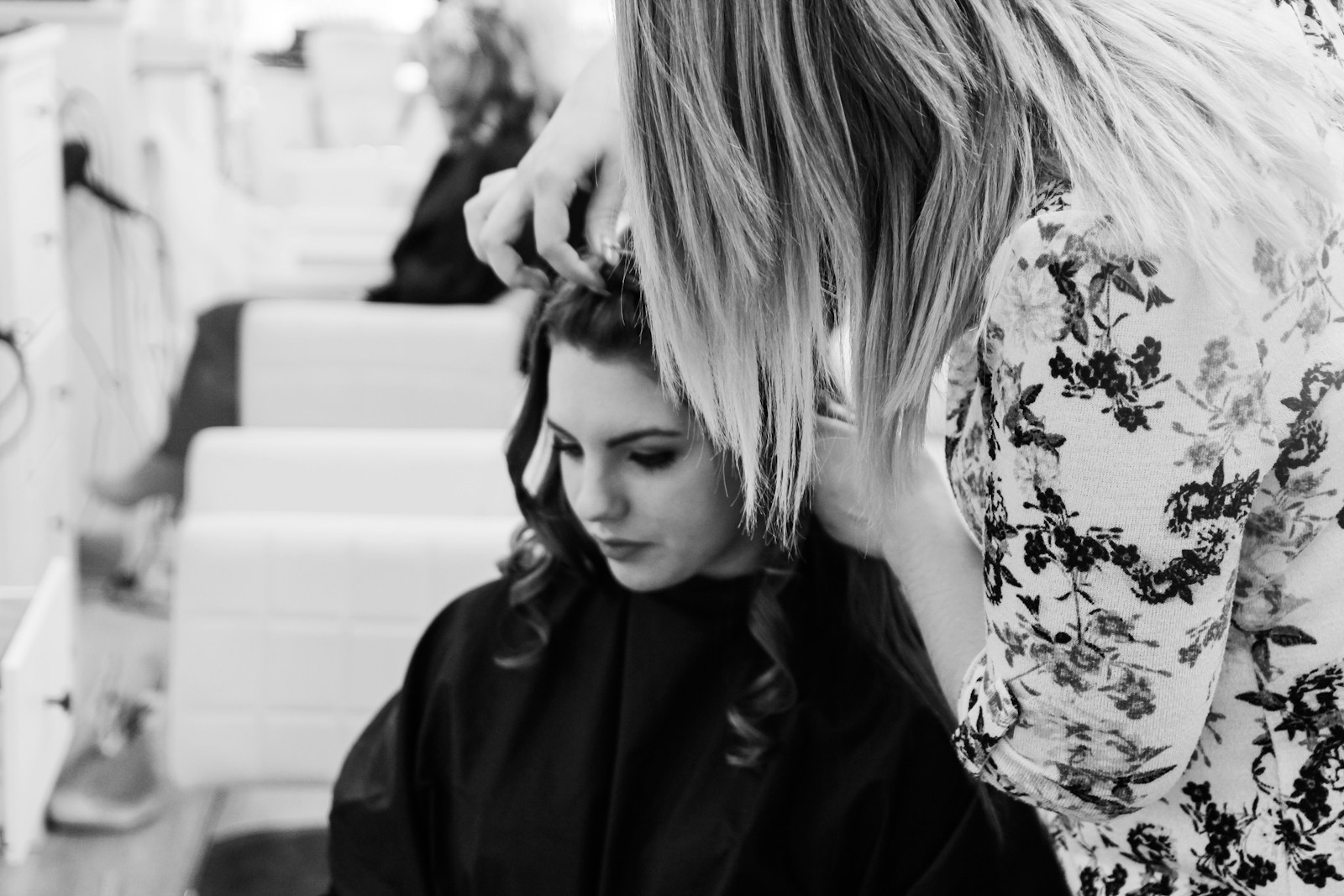
The client’s story has been bouncing around group chats and social feeds because it hits a nerve. Most people understand that time is money, and beauty services aren’t one-size-fits-all. But switching the price after the fact, without a heads-up mid-appointment, feels like someone moving the goalposts while you’re already in the stadium.
What the client says happened
According to the client, the appointment began normally: a quick consult, a chat about the goal, and a general understanding of what the service would cost. The client expected to pay the listed price (or a quote based on that menu) and had planned their budget around it.
After the styling was complete, though, the client says the stylist presented a higher total. The explanation was simple but frustrating: the client’s hair was more work than anticipated, so the cost went up. The client says they didn’t receive a warning during the service that pricing would change, nor a chance to approve the new amount before the work continued.
Why surprise price changes feel so personal
Hair appointments are weirdly intimate, even when they’re casual. You’re literally trusting someone with your appearance, sitting still for a long time, and usually chatting about your life while they work. That’s not the setup most people want for a financial surprise.
And there’s the awkwardness factor. By the time you’re at checkout, the service is done, the mirror moment has happened, and you’re standing there with your coat half on. Disagreeing about money at that point can feel like arguing at the end of a first date—except the date already cut your bangs.
When “more work” is valid—and when it should’ve been discussed
To be fair, hair really can take unpredictable turns. Extra-thick hair may require more product and more time; long hair can double the blow-dry; previously colored hair can respond differently than virgin hair. Sometimes a stylist can’t see everything until they’re sectioning, mixing, or starting the application.
But the key word here is communication. If the stylist realizes 20 minutes in that the service will take longer or require more steps, most clients expect a pause and a quick check-in: “Hey, this is going to be more involved than I thought—are you okay if we adjust the price to X?” That gives the client a choice, and it protects the stylist from eating unexpected labor.
How salons usually handle pricing for extra time and product
Many salons have pricing structures that already anticipate differences in hair type and length. You’ll often see “starting at” pricing, add-ons for extra product, or separate categories like short/medium/long. Some stylists also book by the hour for transformations, color corrections, or extension work, precisely because it’s hard to quote a fixed total.
What’s less common—at least in well-run shops—is changing the price at the very end without an agreed-upon update. Even when a salon menu says “prices may vary,” many clients interpret that as “you’ll tell me before you do it,” not “surprise, it’s more.” A tiny sentence on a website doesn’t replace a real-time conversation.
The power imbalance at the chair
One reason this situation feels so sticky is that clients don’t have much leverage while the service is happening. You can’t exactly walk out mid-foil with a cape on and half your head processing. That means the ethical burden is heavier on the professional to be transparent as soon as costs shift.
Stylists, on the other hand, deal with their own pressures. They’re balancing schedule overruns, product expenses, and the fact that undercharging can turn a busy day into a losing day. But those realities are exactly why clear policies—and quick, calm check-ins—matter so much.
What readers are debating
Reactions to stories like this usually split into two camps. Some people say, “If your hair is thicker/longer/difficult, you should expect to pay more,” and they’re not wrong that services aren’t identical across clients. Others argue that a price change needs consent, period—especially if the client would’ve chosen a simpler service or a different day if they’d known the real total.
There’s also a third, quieter reaction: people who’ve had it happen before and didn’t know what to do, so they just paid and left feeling annoyed. That’s probably the most relatable outcome. Nobody wants to become the main character at the front desk.
What you can do if this happens to you
If you’re presented with a higher price than expected, it’s reasonable to ask a few calm questions before you pay. You can say, “Can you walk me through what changed from the original quote?” or “When did we decide on the new total?” Keeping it neutral helps you get information without it turning into a showdown.
If the stylist points to extra product or time, you can respond with something like, “I understand, but I wasn’t notified during the appointment. I would’ve liked the chance to approve that cost before we continued.” From there, some salons will meet you halfway, honor the original quote, or apply a discount as a goodwill fix—especially if the communication gap is obvious.
How to prevent it next time (without turning into a spreadsheet person)
Before the appointment starts, it helps to ask one direct question: “What’s the total going to be today, and what would make it go up?” It’s not rude. It’s the hair version of checking if the menu price includes tax before you order three appetizers.
If you’re doing color, especially big changes, consider sending photos of your current hair in natural light ahead of time and asking for a range. “Is this more like $180–$220, or could it be $300+?” A range sets expectations, and it gives the stylist a chance to recommend booking a longer service or doing it in sessions.
Why this story keeps popping up
Beauty pricing has gotten more complicated in the last few years, and clients are feeling it. Between rising product costs, higher rents, and busier schedules, many salons have shifted to “starting at” pricing or à la carte add-ons. That’s understandable, but it also means clients are more dependent on honest, timely updates.
At the end of the day, most people don’t mind paying for work that’s truly extra. They just want to be asked before the extra work becomes a done deal. And honestly? That’s a pretty reasonable request when someone has scissors near your face.
More from Willow and Hearth:
Leave a Reply