It started the way a lot of “new year, new me” home projects start: with a trash bag in one hand and an optimistic playlist in the other. I was deep into a decluttering spree, high on the idea that my closet could look like a magazine spread if I just got ruthless enough. Then I opened an old cedar chest and saw it—my grandmother’s quilt, folded into a neat square, quietly taking up space and guilt.
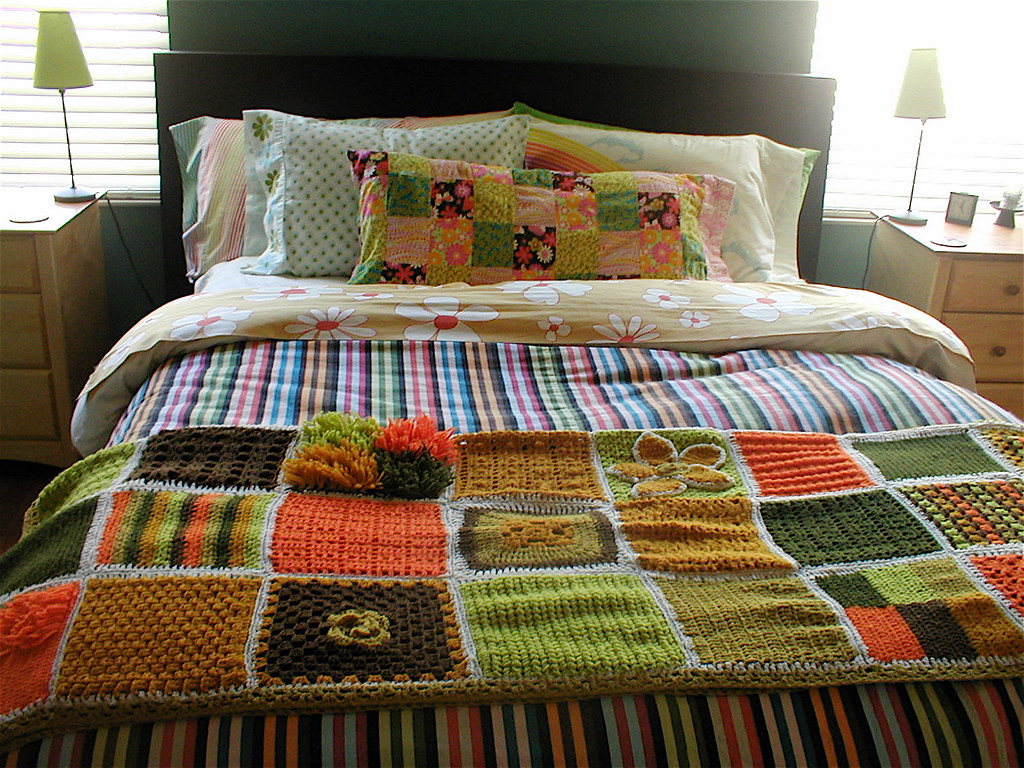
I’m not proud of this, but my first thought wasn’t “family treasure.” It was “bulky.” It was also “I don’t even know where to put this,” which is basically the decluttering brain’s favorite phrase. I set it on the donation pile, told myself someone else could enjoy it, and kept moving.
The moment the donation pile felt a little too easy
I didn’t grow up thinking of quilts as collectibles or “textiles,” the way museums talk about them. In my head, quilts were practical: warm, heavy, and slightly scratchy in the way that meant they’d last forever. My grandmother’s quilt was lovely, sure, but it had been living in storage for years, which made it feel more like a forgotten blanket than a family artifact.
What stopped me wasn’t a cinematic memory montage. It was a tiny detail: the backing fabric had a patch where the pattern didn’t quite line up, like someone had made do with what they had. That tiny imperfection felt… human. And it made me wonder what I was actually about to give away.
Enter the appraiser, who had seen this movie before
A friend suggested I talk to an appraiser before donating anything “old and handmade,” which sounded a bit dramatic to me at the time. Still, I booked a quick appointment with a local antiques and textiles specialist—more out of curiosity than expectation. I figured they’d say it was sentimental, not valuable, and I’d go back to my donation run with a clear conscience.
Instead, the appraiser laid the quilt out like it was a map and started pointing at details I’d never noticed. “This is hand-stitched,” they said, tracing the seams with a fingertip like they were reading braille. “Not just ‘made by hand’ in the casual sense—actually hand-pieced and hand-quilted.”
What I thought was “just stitching” was a whole skill set
First, they explained the difference between piecing and quilting, which I genuinely hadn’t separated in my mind. Piecing is assembling the quilt top—those patterned blocks—while quilting is stitching the layers together (top, batting, backing) so it holds and wears well. If you’ve ever assumed a quilt is “just fabric squares,” this is where your perspective starts to wobble.
They turned the quilt over and showed me the back, where the stitch lines formed a subtle pattern all their own. The stitches were small and even, with consistent spacing that suggested a practiced hand and a lot of patience. “That kind of uniformity,” they said, “doesn’t happen by accident.”
The fabric told a story I’d been ignoring
Next came the fabrics, which apparently had their own clues. The appraiser noted that some pieces looked like they might’ve been cut from feed sacks or repurposed clothing—common in certain eras and regions, and often a sign of resourcefulness. Suddenly the quilt wasn’t just “old”; it was evidence of how people made beauty out of what they had.
They also pointed out signs of age that weren’t “damage” so much as a timeline. Slight fading where it would’ve been folded, gentle wear at the edges, and tiny repairs that had been done with care instead of perfection. It was like finding out your quietest family member had lived a very full life.
So… is it worth money?
Here’s the part everyone asks, and the appraiser didn’t dodge it. Value depends on a handful of things: condition, rarity of the pattern, quality of workmanship, materials, and whether there’s any documentation (like who made it, when, and where). Some quilts sell for modest amounts; others, especially by known makers or in exceptional condition, can command serious prices.
My grandmother’s quilt, they said, likely wasn’t a headline-grabbing auction piece, but it was absolutely more than “donation bin” material. The handwork alone meant it represented dozens—sometimes hundreds—of hours. “Even if you never sell it,” the appraiser added, “it’s already valuable in a different way: it’s intact proof of someone’s labor and artistry.”
The craftsmanship lesson that changed how I see “clutter”
What I didn’t expect was how quickly my mindset flipped. A week earlier, the quilt felt like an object I was responsible for storing. After that appointment, it felt like something my grandmother had built, stitch by stitch, in the middle of whatever her life was at the time—work, kids, bills, weather, all of it.
The appraiser described hand quilting as a kind of quiet engineering. The stitches aren’t just decorative; they distribute stress, help the layers move together, and keep the batting from shifting. In other words, it’s not only pretty. It’s functional design, made without fancy tools, and meant to survive actual life.
What I did next (and what the appraiser recommended)
I didn’t rush home and hang it on the wall like a museum exhibit—though I did briefly consider it. Instead, I asked what I should do to keep it safe without turning my house into a preservation lab. The advice was refreshingly practical: store it in a cool, dry place; avoid plastic bins that can trap moisture; and don’t keep it pressed in the same fold forever.
They suggested acid-free tissue paper for padding folds, or storing it flat if that’s possible. If I wanted to display it, they recommended keeping it out of direct sunlight to prevent fading, and avoiding heavy hanging that could stress the fabric over time. Basically: treat it like something handmade, because it is.
The funny thing about heirlooms is you don’t always recognize them
I used to think heirlooms were obvious—shiny, formal, maybe kept behind glass. But the quilt didn’t announce itself like that. It just sat there, folded and quiet, looking like one more thing to deal with on a Saturday.
Now it feels less like clutter and more like a message from the past that finally came with subtitles. Not because an appraiser gave it a number, but because someone translated the work: the tiny stitches, the careful piecing, the “make it do” fabric choices. And honestly, it’s a relief—I didn’t donate my grandmother’s patience, after all.
These days, the quilt isn’t banished to the cedar chest. It’s in a breathable cotton bag on a closet shelf I can actually reach, and I pull it out sometimes just to look at the stitching. It’s still bulky, sure, but now it feels like the good kind of bulky—like history has weight, and sometimes it’s worth keeping.
More from Willow and Hearth:
Leave a Reply