It started the way so many travel annoyances do: small, rhythmic, and easy to dismiss at first. A gentle thump against the back of the seat, then another, then a steady pattern like a tiny metronome with sneakers. I glanced back, expecting a quick “Sorry!” from an adult and a little foot withdrawn in embarrassment.
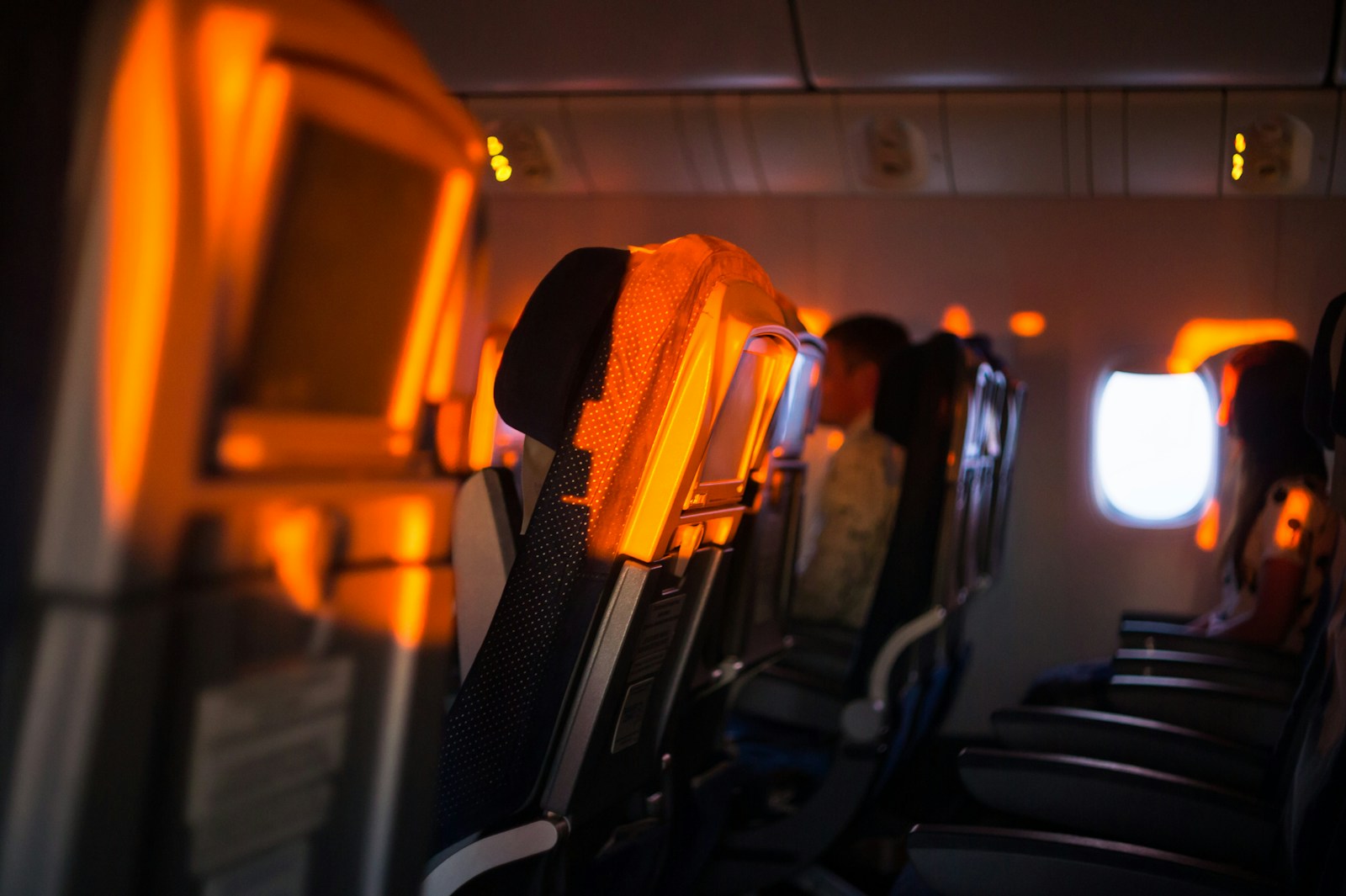
Instead, I got a shrug and a philosophy lesson.
A Routine Trip Turns Into a Seat-Kicking Saga
The incident happened on a packed flight, though anyone who’s been on a train or bus lately will recognize the vibe instantly. Everyone was doing that quiet travel calculus—how to get comfortable without taking up too much space, how to keep your bag from sliding into someone else’s feet, how to pretend the armrest situation is totally fine. And then, thump-thump-thump, my seat started taking hits like it owed someone money.
I tried the classic polite options first. I shifted forward, as if my spine could simply vote “no” and the problem would dissolve. I turned my head slightly, making eye contact in the mirror of the seatback screen, hoping the parent would notice and intervene without me having to say a word.
Nothing changed. If anything, the kicking gained confidence—less accidental, more enthusiastic. It had the energy of a kid who’s discovered a new instrument and has zero interest in practicing quietly.
The Moment I Spoke Up—And the Answer I Got
After a few minutes of steady impacts, I turned around and said something like, “Hey, sorry—would you mind asking them to stop kicking my seat?” I kept it light, the way you do when you’re trying not to escalate. It’s a small request, and most people respond with a quick apology and a gentle reminder to their child.
The parent looked at me like I’d just asked their kid to file taxes. Then came the response: kids “need freedom to express energy.” There was even a tone of moral certainty, as if I should be grateful to be part of a child’s movement journey at 30,000 feet.
I blinked, because it’s one thing to have a kid who’s squirmy. It’s another to frame repeated seat-kicking as a personal growth opportunity for everyone nearby.
Why Seat-Kicking Hits a Nerve (Literally)
Seat-kicking isn’t just “a little annoying.” It’s repetitive, it’s unpredictable, and it lands right where your body can’t ignore it—your lower back. Even when the thumps aren’t painful, they’re distracting in a way that makes it hard to read, nap, work, or even relax into your own thoughts.
And there’s a social component, too. Most people don’t want to correct strangers, especially when kids are involved. So the person getting kicked often sits there doing that internal debate: Am I being too sensitive? Is it about to stop? Will I look like a villain if I say something?
Meanwhile, everyone around is quietly aware of the situation. It’s like the world’s smallest conflict, broadcast in vibrations.
Parents Are Tired—But So Is Everyone Else
To be fair, traveling with kids can be exhausting. Schedules are off, snacks are a negotiation, and “indoor voice” becomes more of a suggestion than a rule. A parent might already be on their last thread, just trying to get from point A to point B without a meltdown.
But that’s also why the “freedom to express energy” line rubbed people the wrong way when the story was shared afterward. It’s not the idea that kids have energy—that’s just reality. It’s the expectation that a child’s energy should be expressed through someone else’s seat, spine, and sanity, with no adjustment.
There’s a difference between understanding that kids are kids and deciding that anyone who’s bothered by disruption simply doesn’t “get it.” Most people get it. They just also have vertebrae.
The Unspoken Etiquette Everyone Relies On
Public spaces work because of tiny, mostly unspoken agreements. You don’t blast audio without headphones. You try not to spill into someone else’s personal area. And if your actions—or your kid’s actions—are directly impacting someone, you make a reasonable effort to stop.
That doesn’t mean children have to sit frozen like museum statues. It means their movement needs a boundary, especially when it becomes physical contact with strangers. The seat in front of them isn’t a drum, even if it’s the perfect height and makes a satisfying sound.
Parents who travel a lot often come prepared with tricks: fidget toys, coloring books, snacks that take a while to eat, little “missions” like counting things out the window. None of it is magic, but it helps channel energy without turning the row ahead into collateral damage.
What the Person in Front Can Do (Without Starting a War)
If you’re the one getting kicked, the first move is usually a calm, direct request. Keep it simple: “Could you please ask them to stop kicking my seat?” You’re not accusing them of bad parenting; you’re naming a specific behavior and asking for a fix.
If that doesn’t work, a second attempt can help, especially if you add a practical reason: “It’s jarring my back, and I can’t sit comfortably.” Sometimes people respond better when they hear it’s not just a preference, it’s a physical issue.
After that, it’s reasonable to involve a flight attendant or conductor. Not in a dramatic way—just a quiet “I’ve asked already, and it’s still happening.” Staff deal with these situations all the time, and they’re often better positioned to set expectations without it becoming personal.
What Other Passengers Notice (Even When Nobody Says It)
Interestingly, these situations rarely stay private. People nearby clock the repeated movement, the head turns, the tight smiles, the forced patience. And when a parent responds with something dismissive, it can shift the mood of an entire section—less “we’re all in this together,” more “every person for themselves.”
That’s why the “freedom to express energy” remark feels so loaded. It implies that the discomfort of others is the price of admission for being near a child. Most people don’t mind children in public; they mind being treated like unwilling furniture.
There’s also a quiet irony here: kids actually do better with clear boundaries. They’re not offended by them the way adults can be. A calm “Feet off the seat, buddy” is often all it takes—especially if it’s consistent.
A Small Conflict That Says a Lot About Shared Spaces
After the exchange, the kicking slowed for a bit, then returned in bursts, like the idea of stopping hadn’t fully stuck. I spent the rest of the trip doing micro-adjustments and trying to stay calm, because at a certain point you don’t want to spend your whole day in conflict. Still, it’s hard not to replay that one sentence in your head, marveling at the confidence of it.
Kids do need freedom to move, wriggle, and burn off energy. But in shared spaces, freedom always comes with a companion: responsibility. It’s not a buzzkill—it’s the invisible thread that keeps public life from unraveling.
And if you ever find yourself tempted to treat the seat in front like a trampoline, consider this a friendly reminder from the row ahead: there are better ways to express energy than using a stranger’s lower back as percussion.
More from Willow and Hearth:
Leave a Reply