It started like a lot of modern travel stories do: a cramped seat, a long ride, and someone’s phone acting like it owns the place. On a recent intercity trip, passengers say a rider spent a good chunk of the journey playing a mobile game at full volume—no headphones, no apology, just nonstop sound effects bouncing around the cabin.
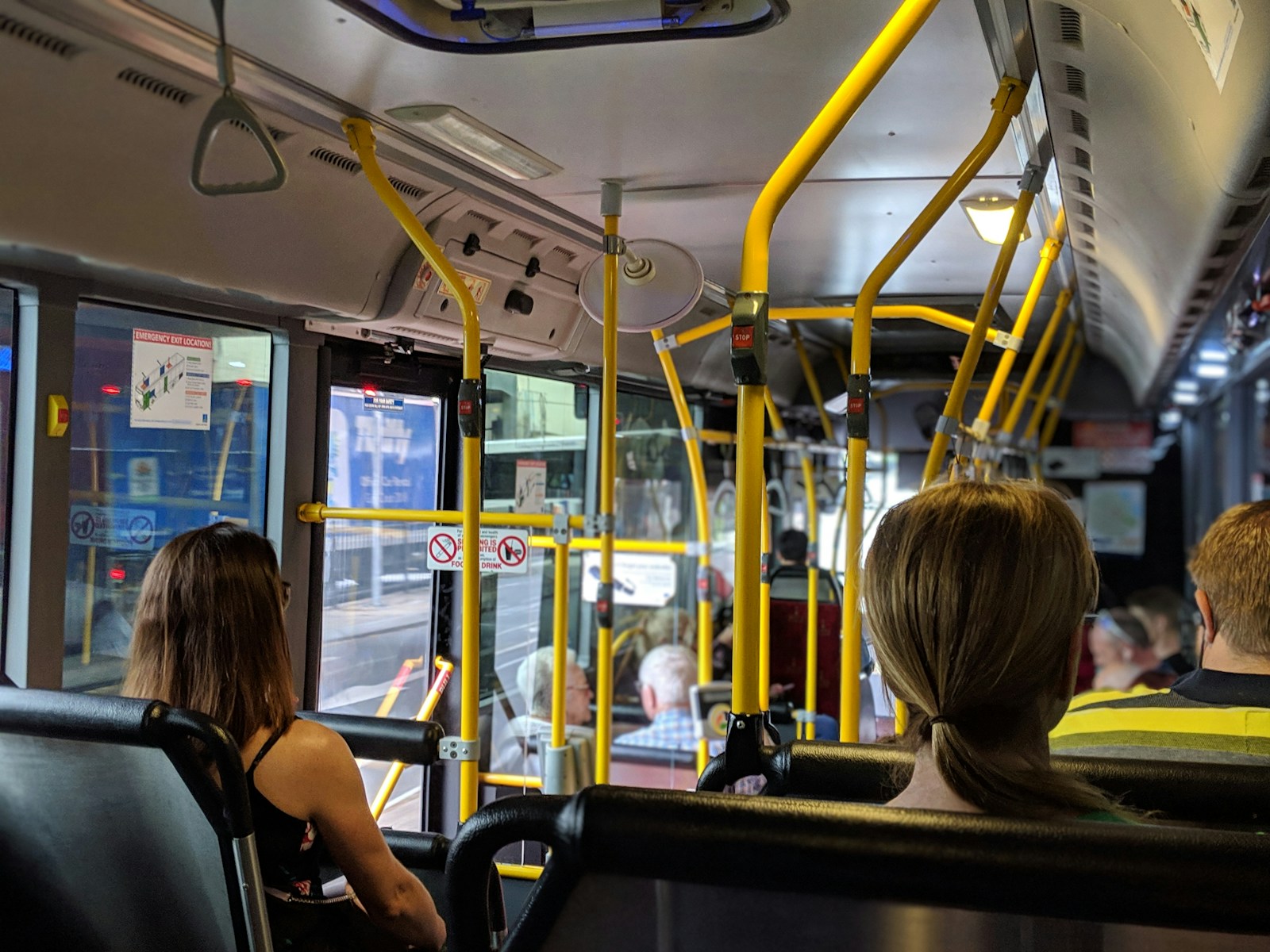
When a nearby passenger finally asked if they could turn it down, the gamer reportedly shrugged and replied that silence is “unrealistic in public spaces.” That line—equal parts bold philosophy and instant debate starter—spread fast once other riders began sharing the moment online.
The scene: pixels, power-ups, and public patience
According to riders who described the incident, the game audio was loud enough to cut through normal travel noise. Not the occasional notification ping, either—more like continuous music, explosions, and the kind of cheerful “level up!” sounds that feel designed to burrow directly into your brain.
At first, people tried the classic coping strategies: staring out the window, turning up their own music, pretending they weren’t annoyed. But as the minutes stacked up, irritation did too. One passenger described it as “being stuck next to an arcade cabinet you didn’t ask for.”
The comment that turned it into a debate
The phrase “silence is unrealistic in public spaces” hit a nerve because it’s not entirely wrong—and also not entirely the point. Public places aren’t libraries by default. There’s always some baseline hum: conversation, engines, footsteps, someone opening a bag of chips like they’re starting a campfire.
But most people draw a line between unavoidable noise and optional noise. The sound of a bus is a given. A phone blasting game audio is a choice, and that difference is where a lot of the social tension lives.
What other passengers said happened next
People on board describe a brief back-and-forth: a request to lower the volume, a refusal framed as “realism,” and a few uncomfortable seconds where everyone suddenly became very interested in the patterns on the seat fabric. Some say the gamer eventually reduced the volume slightly, while others insist it stayed loud until the end of the ride.
No one reported anything turning into a full argument, which is honestly a small miracle in the current era of travel stress. Instead, it fizzled into that uniquely modern kind of conflict where everyone is mad, nobody wants to escalate, and the internet gets the post-game analysis.
Why this keeps happening: the unspoken rules of shared space
Most of us are walking around with a mental rulebook we didn’t exactly agree to, but still expect others to follow. Don’t shove. Don’t block the aisle. Keep your feet off someone else’s seat. And, yes, don’t make everyone listen to your device.
The tricky part is that those rules aren’t always posted, and not everyone learned the same version. Some people genuinely think, “It’s public, so noise is normal,” while others think, “It’s public, so you should be extra considerate.” Same environment, totally different interpretation.
Headphones as a modern peace treaty
If there’s one bit of technology that’s basically a social truce, it’s headphones. They don’t just deliver audio; they signal, “I’m keeping my entertainment to myself.” That’s why people get so thrown when someone breaks that norm—because it feels less like an accident and more like a statement.
And to be fair, not everyone carries headphones all the time, and some forget them. But the expectation many riders have is that if you forgot, you adapt: low volume, subtitles, or something quiet. The cabin didn’t sign up to be your sound system.
Is “silence” really the expectation?
Not exactly. Most people aren’t demanding monastery-level quiet on a bus or train. They’re asking for a reasonable baseline where you can rest, read, work, or just exist without competing with someone else’s soundtrack.
That’s where the “unrealistic” comment lands oddly. Silence might be unrealistic, sure, but courtesy isn’t. The middle ground is the real goal: normal travel noise, not a one-person audio takeover.
What transit agencies usually expect (even when they don’t say it)
Many transit systems and carriers have policies about “no loud music” or “use headphones,” though enforcement varies wildly. On some routes, drivers and conductors step in quickly. On others, staff are focused on safety and schedules, and minor etiquette conflicts get left to passengers to navigate.
That gap—between rules and real-life enforcement—often turns a simple annoyance into a social standoff. People don’t want to be the “noise police,” but they also don’t want to spend two hours listening to digital coin sounds and victory jingles.
How people are handling it now: from polite asks to passive resistance
In online comments reacting to the story, the most common advice was simple: ask once, politely, and see what happens. Something like, “Hey, would you mind using headphones or turning that down?” works better than a dramatic sigh or a pointed speech, even if the sigh feels earned.
When that doesn’t work, people describe a range of backup plans: moving seats, flagging staff, putting in earplugs, or turning on their own noise-canceling headphones. A few joked about responding by playing their own audio out loud, but most admitted that would just turn the cabin into an accidental DJ battle no one wins.
A small moment that says a lot about public life right now
What makes this incident resonate isn’t just the game audio. It’s the confidence of the justification: the idea that because public spaces aren’t silent, anything goes. That’s a tempting logic when you’re tired, stressed, or simply used to living through a screen.
But shared spaces run on tiny acts of mutual restraint. Nobody gets everything they want, and that’s kind of the deal. When someone opts out of that deal—especially loudly—it forces everyone else to decide how much discomfort they’ll tolerate and how much awkwardness they’re willing to risk to push back.
For now, the story is bouncing around as both a funny travel anecdote and a mild cultural alarm bell. It’s a reminder that “public” doesn’t mean “perform,” and that the smallest objects in your bag—like a pair of headphones—can sometimes be the difference between a peaceful ride and an unplanned soundtrack.
More from Willow and Hearth:
Leave a Reply