When one tired parent asks for help at bedtime, you’d expect the conversation to be about logistics: who does teeth, who reads, who handles the inevitable “one more sip of water.” Instead, a growing number of couples say the discussion gets oddly personal, fast. The phrase that keeps popping up in messages, forums, and late-night texts to friends is some version of: “You’re just better at it.”
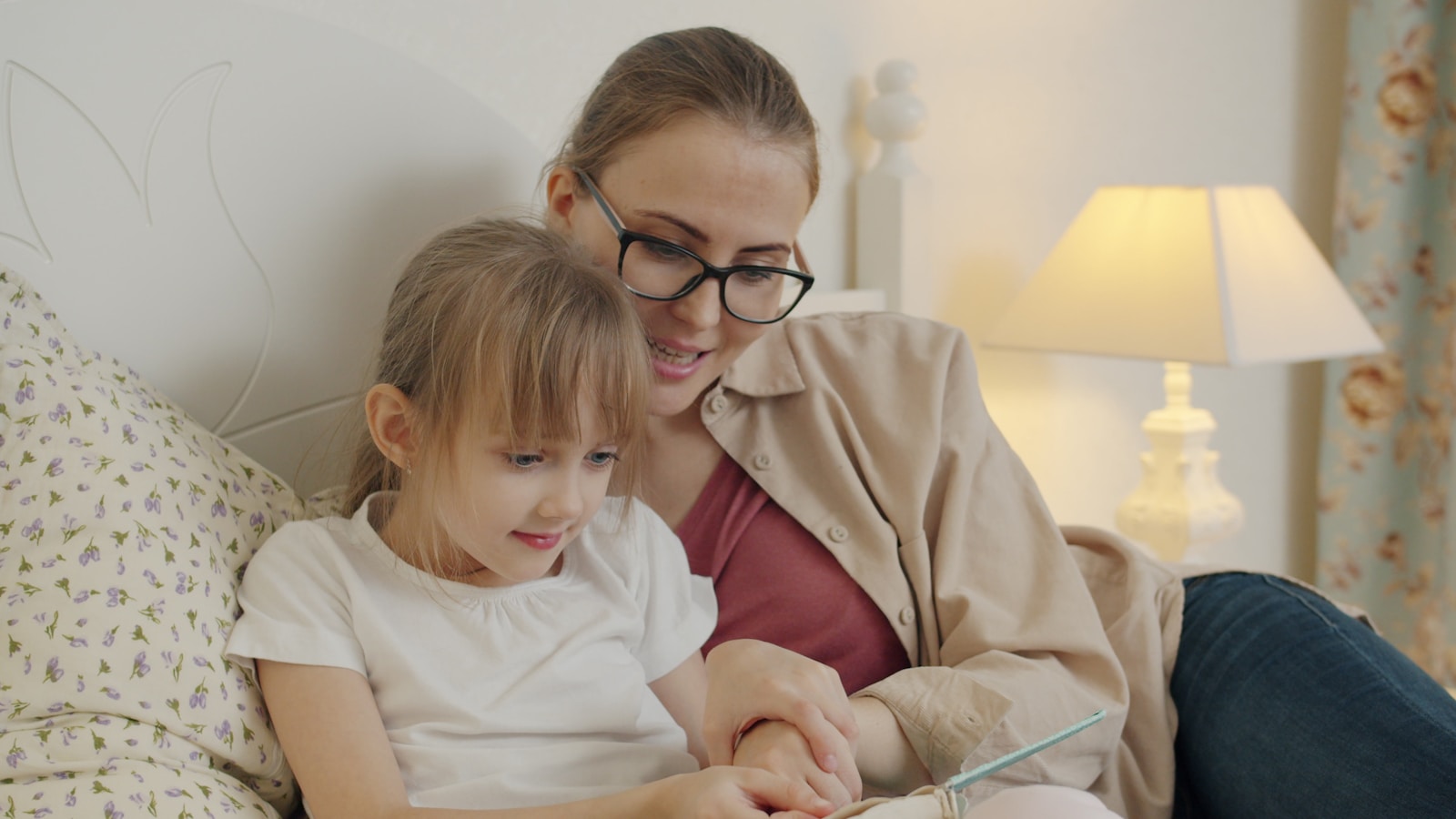
One mom described it this way: she asked her husband to take a couple nights a week because she was running on fumes. He didn’t refuse outright, but he offered a compliment that landed like a thud: she “manages stress better,” so it made sense for her to keep doing nights alone. It sounded supportive, almost admiring, and yet it left her feeling like she’d just been politely assigned a second job.
A compliment that doesn’t feel like one
“You’re better at handling stress” can be true and still be unfair. In a lot of households, it becomes code for “You’ll cope, so I don’t have to,” which is a very different message. It’s the kind of statement that looks generous on paper and feels isolating in real life.
Parents who hear this often describe the same emotional whiplash: gratitude for being seen as competent, followed immediately by resentment that competence is being used against them. If you’re calm during a toddler meltdown, it doesn’t mean you’re not exhausted. It might just mean you’ve had more practice because you’ve been the one doing it.
Why bedtime becomes the battleground
Bedtime isn’t one task; it’s a chain reaction. There’s the physical work—baths, pajamas, cleaning up the bath splash zone that somehow reaches the ceiling—and the mental work of remembering medicine, anticipating the “I’m hungry” twist, and keeping the routine consistent. Then there’s the emotional work of being the steady presence when everyone’s tired and a little feral.
Nights also tend to magnify inequality because they’re invisible. If one person is asleep, they genuinely don’t see the wake-ups, the lost pacifiers, the 2:00 a.m. negotiation that would impress a hostage mediator. By morning, the parent who carried the night can look “fine” on the outside, which makes it easier for the other person to assume it wasn’t that bad.
“You’re better at it” is often learned helplessness in disguise
Sometimes a partner opts out of bedtime because they feel clumsy and don’t want to make it worse. Maybe the kids protest when Dad does it, or maybe Mom has a more established rhythm. But avoidance quickly becomes a pattern, and patterns become expectations.
Kids aren’t impartial referees here, either. If one parent always does bedtime, children naturally prefer that parent for bedtime, which then gets used as “evidence” that the arrangement is fixed. It’s a self-fulfilling prophecy: one parent is the default, so they get more reps, so they get better results, so they stay the default.
Stress tolerance isn’t the same thing as capacity
There’s a difference between being able to push through and having enough bandwidth to keep doing it without consequences. Plenty of people “handle stress well” right up until they don’t, and the crash can look like anxiety, burnout, or getting snippy over a spoon in the sink. If the only system is “the calmer person will absorb it,” the calm won’t last.
Also, stress management isn’t a personality trait you’re born with like dimples. It’s often the result of carrying responsibility for a long time and learning you don’t have a choice. When someone says, “You manage stress better,” it can translate to, “You’ve learned to survive this, so keep surviving it.”
What a fairer conversation sounds like
The goal isn’t to win an argument; it’s to redesign the night so both adults can function. A helpful reframe is to take the focus off who is “better” and put it on what’s sustainable. Competence is not a contract.
Some couples find it useful to get specific instead of debating the whole bedtime universe. For example: “I need you to own bedtime on Tuesdays and Thursdays, start to finish,” lands differently than “Can you help more?” If a partner worries about doing it “wrong,” the response can be simple: “You’ll build your own way, and the kids will adjust.”
Small tweaks that change the whole night
A split-shift approach can work well when both parents are tapped out. One parent does bath and pajamas while the other handles story and lights-out, or one takes the first wake-up and the other takes anything after 3:00 a.m. This isn’t about perfect equality every night; it’s about predictable relief.
Another practical fix is alternating “on call” nights, even if the off-duty parent sleeps in another room with earplugs. That might sound dramatic, but uninterrupted sleep is basically a miracle drug with no co-pay. If full nights feel like too big a leap, start with a weekend night plus one weeknight and adjust after two weeks.
When the issue is deeper than bedtime
Sometimes the bedtime comment is a symptom of a bigger dynamic: one partner is treated as the household manager, and the other as a helper. In that setup, “help” is optional, and the manager is responsible even when they’re drowning. That’s less about stress management and more about default roles that never got renegotiated after kids.
If the conversation keeps circling back to compliments that function like refusals, it may be time to name what’s happening. Something like, “When you say I’m better at stress, it feels like you’re opting out and I’m being assigned nights by default,” is direct without being cruel. If it still doesn’t shift, a couples counselor can help translate this out of the loaded emotional space and into an actual plan.
What kids learn from who shows up at night
Children absorb patterns, not speeches. When one parent always shows up and the other rarely does, kids learn who is responsible for comfort and care. That’s not just about bedtime; it’s about what family teamwork looks like.
The good news is that kids are adaptable, even when they protest loudly like tiny labor organizers. If a parent becomes consistently involved, the transition period can be a week or two of extra whining and “No, not you,” and then it gets easier. Consistency is the magic ingredient, not special skills.
The most useful question: “What would make this feel fair?”
Fair doesn’t always mean identical, and it doesn’t have to be a courtroom drama. It means both adults get rest, both adults build confidence with the kids, and no one is quietly keeping score at 2:30 a.m. with their eye twitching.
If your partner says you “manage stress better,” you can accept the compliment and still decline the assignment. A simple, calm line can do a lot: “I can handle it, but I shouldn’t have to handle it alone.” Bedtime isn’t a talent contest; it’s a shared responsibility, and everyone sleeps better when it’s treated that way.
More from Willow and Hearth:
Leave a Reply