Air travel has a special talent for turning ordinary people into amateur logisticians. Everyone’s counting inches, weighing bags with their arms, and doing quick mental math about whether their roller will fit wheels-first or handle-first. On a recent flight, that quiet stress bubbled up in a way that felt both petty and weirdly personal.
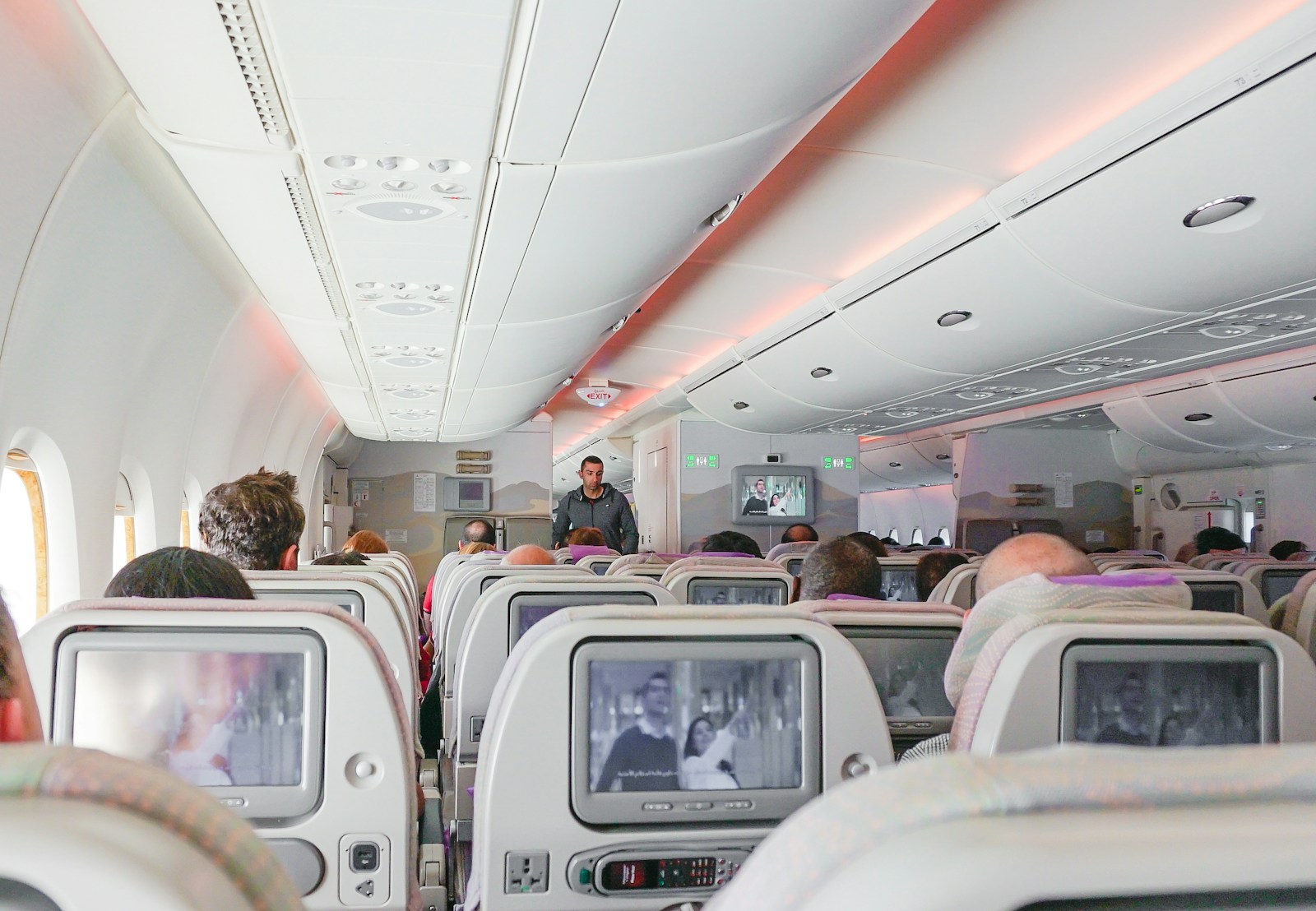
It happened during boarding, in that narrow aisle traffic jam where you can smell someone’s coffee and also their impatience. I lifted my carry-on toward the overhead bin above my row, only to find it already packed tight. A fellow traveler, standing a step behind me, offered an explanation before I even asked.
A crowded bin and a confident stranger
“Small bags belong at your feet,” they said, like they were reading from the Book of Airline Etiquette. The tone wasn’t exactly rude, but it had that familiar edge of certainty. The implication was clear: if I had a backpack or tote, I was supposed to sacrifice my legroom so other people could keep their larger bags close.
The catch? My bag wasn’t a tiny purse. It was a normal carry-on-sized backpack—exactly the kind airlines routinely allow in the overhead when space permits. And the bin above my seat looked less like “space is tight” and more like “someone got creative with claiming territory.”
The unspoken rules of overhead-bin culture
Frequent flyers will tell you overhead bins operate on a mix of policy, tradition, and survival instincts. Officially, most airlines say carry-ons go overhead and smaller personal items go under the seat in front of you. Unofficially, it becomes a game of musical chairs the moment boarding begins.
That’s why people rush to board early, even when they paid for a seat assignment and aren’t planning to sprint off the plane. Overhead space isn’t guaranteed, and the fear of gate-checking a bag is real. Still, “overhead bin first, personal item second” is a guideline—not a license to annex the bin above someone else’s seat.
What the airline policies actually say (and don’t say)
Most major airlines don’t promise that the bin above your row belongs to you. It’s shared space, and the crew will often tell you to use any available bin, even a few rows away, especially late in boarding. That said, airlines do typically specify limits: one carry-on, one personal item, and both must fit within size rules.
What they don’t usually spell out is a passenger-to-passenger enforcement system. There’s no official “bin sheriff,” and flight attendants don’t have time to adjudicate every disagreement about who put what where first. So the cabin runs on vibes, hurried compromises, and occasional standoffs in the aisle.
When “small bags at your feet” is helpful—and when it’s not
To be fair, the advice isn’t always wrong. If bins are bursting and your bag easily fits under the seat, putting it down there can free space for roller bags that have no other option. It can also speed up boarding and reduce the dreaded last-minute gate-check announcement.
But the phrase gets weaponized when someone wants to justify taking more than their fair share. A small bag in the overhead isn’t inherently a crime, especially if you boarded early, your bag meets requirements, and there’s room. The bigger issue is how people act when space gets tight—whether they cooperate or treat the bin like a storage unit they rented.
What I saw in the bin (and why it mattered)
As I looked closer, I noticed the bin wasn’t just full of standard carry-ons. There were jackets loosely tossed on top, a couple of items turned sideways in a way that wasted space, and what looked like a personal tote perched like a crown. It wasn’t packed efficiently; it was packed possessively.
And that’s where the tension comes from on planes. Most people don’t mind sharing when it feels fair and orderly. They mind when it feels like one person is turning a communal resource into their personal closet, then scolding anyone who questions it.
The awkward aisle moment everyone recognizes
Meanwhile, the line of passengers behind us was growing, and you could feel the pressure building. Someone was sighing in that loud way that’s meant to be heard. A flight attendant was a few rows up, busy helping another passenger with a stroller situation and a suitcase that clearly did not want to be a suitcase.
This is the part of flying that makes reasonable people suddenly consider irrational choices, like stuffing a backpack into a space the size of a shoebox just to avoid confrontation. You don’t want to be “that person” holding up boarding, even if you’re not actually the problem. The cabin is a social experiment with a ticking clock.
How passengers can handle bin disputes without escalating
If you find yourself in a similar situation, the simplest move is to keep your tone neutral and your request specific. Something like, “Hey, I’m in this row—could we shift a couple items so this fits?” is harder to argue with than a general complaint. You’re not accusing them of wrongdoing; you’re asking for a practical adjustment.
If the other person gets snippy, it’s usually better not to match their energy. You can calmly say, “I’m happy to put a smaller item under my seat if needed, but I do have a carry-on too.” That signals cooperation while reminding them you’re allowed to use the overhead space.
And if it’s truly jammed, flag a flight attendant when they’re available rather than trying to rearrange other people’s belongings yourself. Crew members have the authority to move items, consolidate space, and direct bags to open bins elsewhere. They’ve also seen every version of this argument, and they’re generally excellent at resolving it with minimal drama.
Why this keeps happening (and why it feels so personal)
Overhead bin conflict is really about scarcity. Airlines have been squeezing more seats into planes for years, and many travelers avoid checked baggage because of fees, delays, or the simple fear of being separated from their stuff. So everyone arrives at the gate with a carry-on plan and a backup plan and a secret third plan involving hope.
It also taps into something oddly emotional: fairness. You paid for your ticket and showed up prepared, and it feels disrespectful when someone acts like your space is optional while theirs is non-negotiable. In normal life, you’d never tell a stranger to store their things under their chair so you could use the shelf.
A small moment that says a lot about flying right now
In the end, these bin skirmishes aren’t really about bags. They’re about how people behave when systems are strained and everyone’s slightly on edge. Most passengers are kind, cooperative, and just trying to get to their destination with their belongings intact.
But every so often, you run into someone who speaks in absolutes—“Small bags belong at your feet”—as if they’ve been appointed the cabin’s etiquette spokesperson. The funny part is that the sentence sounds official, yet it’s mostly just a preference dressed up as a rule. And on a plane, preferences have a way of getting loud.
If there’s a silver lining, it’s that these moments remind you how valuable a little flexibility can be at 30,000 feet. A quick reshuffle, a polite ask, a crew member stepping in—most of the time, the problem is solvable. It’s just never as simple as one person declaring where everyone else’s bag “belongs.”
More from Willow and Hearth:
Leave a Reply