It’s the kind of gym moment that sounds like a sketch until it happens to you: you’re in the middle of a set, focused and grinding, and suddenly the bar feels weirdly lighter. You rack it, look over, and someone’s casually walking away with your plate like they just grabbed a stray dumbbell. When you ask what’s going on, they hit you with: “Oh, you looked finished.”
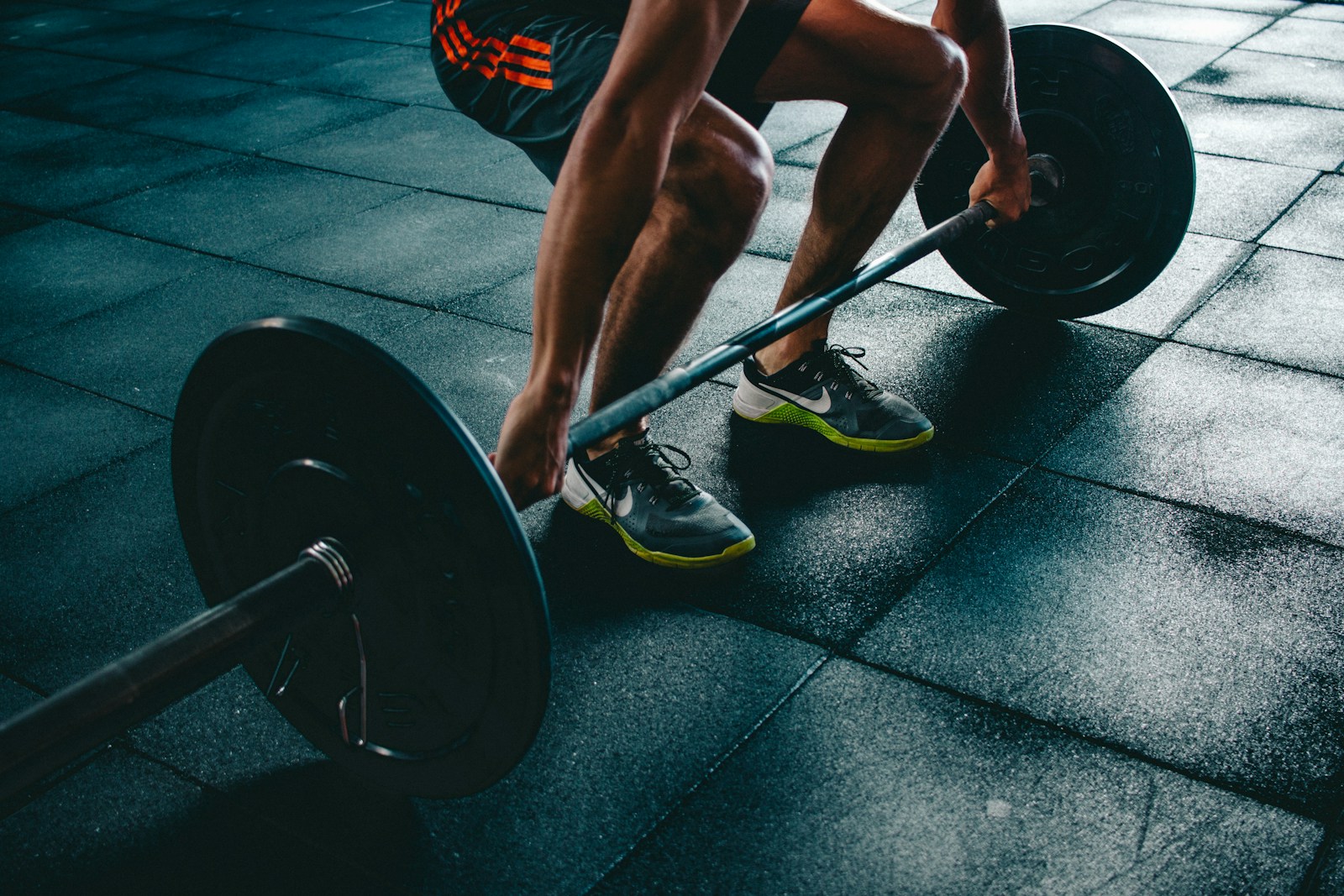
Stories like this have been popping up more often in gym conversations lately—on lifting forums, in group chats, and in those “can you believe this?” locker-room debriefs. It’s not just annoying; it can be genuinely dangerous. And it shines a bright light on a problem a lot of people feel but don’t always know how to name: gym etiquette is getting a little wobbly.
A mid-set plate removal isn’t just rude—it’s risky
Taking plates off someone’s bar while they’re lifting isn’t a minor social misstep. It changes the load unexpectedly, which can throw off balance, bar path, and bracing—especially on squats, bench, and deadlifts. Even a small shift can cause a lifter to tweak a shoulder, lose tightness, or re-rack awkwardly in a way that strains a wrist or back.
And beyond the mechanics, there’s the mental side. Most people are running a checklist in their head mid-set: breathing, tempo, form, not dying. Having someone interrupt that with surprise “help” is like changing the steering on a moving car and then saying, “You seemed like you were done driving.”
How does this even happen?
The simplest explanation is also the most common: some folks don’t realize how structured strength training can be. They see you pause between reps or sets, assume you’ve abandoned the station, and decide the plates are “up for grabs.” That mindset makes sense if you’ve only ever done quick circuits and never tracked rest times, but it falls apart fast around a barbell.
Then there’s the more awkward explanation: entitlement. In a crowded gym, people sometimes treat equipment like it’s first-come, first-serve with no context, and they’re willing to gamble that you won’t make it a thing. If you do speak up, they can shrug it off with an innocent line—“you looked finished”—as if the misunderstanding is equally shared.
There’s also a weird modern factor: headphone culture. Gyms are quieter socially now, even when they’re packed. People don’t ask. They don’t check in. They just sort of… act, assuming everyone else will adjust.
“You looked finished” and the subtle art of being dismissive
That phrase is doing a lot of work. It sounds polite, but it’s also a way of avoiding responsibility. Instead of “I didn’t know” or “Sorry, I messed up,” it puts the burden on the lifter for not looking busy enough, intense enough, or visibly in-progress enough.
And yes, it can carry a little extra sting depending on who’s lifting. Many women, beginners, older lifters, and anyone not performing the “serious gym person” vibe have variations of this experience: being treated like they’re not really using equipment, or like their workout doesn’t count unless it looks a certain way.
What good gym etiquette actually looks like
The standard rule is simple: if someone is at a rack, bench, platform, or machine, it’s theirs until they clearly say otherwise. Resting is part of lifting. Looking at your phone between sets is normal. Drinking water isn’t a sign you’ve retired from exercise permanently.
If you need something—plates, collars, a bench—ask first. A quick “Hey, are you using these 10s?” goes a long way, and you’ll usually get a friendly response. Most lifters are happy to share small plates or let you work in, but nobody wants surprise plate theft mid-rep.
What to do if someone grabs your plates mid-set
In the moment, the priority is safety, not winning the interaction. Rack the weight carefully, take a breath, and get stable before you turn to address it. If you’re on bench and the bar is suddenly uneven, re-rack immediately rather than trying to “finish the rep” out of pride.
Then keep it straightforward: “Please don’t remove plates from my bar while I’m lifting. I’m still using it.” You don’t have to explain your program, your rest times, or why you paused. If you want to be extra clear, add, “If you need plates, ask me between sets.”
If the person argues or acts like you’re being dramatic, that’s your cue to involve staff. Not in a “call the authorities” way—just a calm, practical one. A gym employee can reset expectations fast, and it’s literally part of their job to keep the floor safe.
What gyms can do to prevent this
Most gyms already post rules about reracking and wiping down equipment, but fewer address interference directly. A simple sign near platforms and racks—“Do not remove plates from barbells in use”—would help, especially for newer members. It’s not about policing; it’s about making the unspoken rules visible.
Staff presence matters too. When coaches and floor attendants circulate, people behave better, ask more questions, and take fewer liberties. Even a quick check-in—“You all good here?”—can reduce the kind of confusion that leads to someone deciding your plates are community property.
The bigger takeaway: shared spaces need shared norms
The gym is one of the few places where strangers cooperate without talking much. That’s kind of beautiful, honestly—everyone doing their own thing, side by side, with a quiet agreement not to make it weird. But that agreement only works when people respect boundaries, especially around heavy equipment.
If you’ve ever had plates taken, a bench “claimed,” or a machine commandeered while you were mid-set, you’re not being precious for being irritated. You’re reacting to something that breaks both etiquette and safety. And if you’re the person who’s tempted to grab what you need without asking, consider this your friendly reminder: the quickest way to get what you want at the gym is still the oldest one—use your words.
More from Willow and Hearth:
Leave a Reply