It started the way so many airplane dramas do: with a boarding pass, a tight aisle, and someone smiling a little too brightly while asking for a “small favor.” The flight was sold out, overhead bins were already groaning, and the cabin had that familiar mix of perfume, pretzels, and quiet resignation. I’d found my seat—window, the one I’d picked on purpose—and was fully committed to staring into the middle distance for the next few hours.
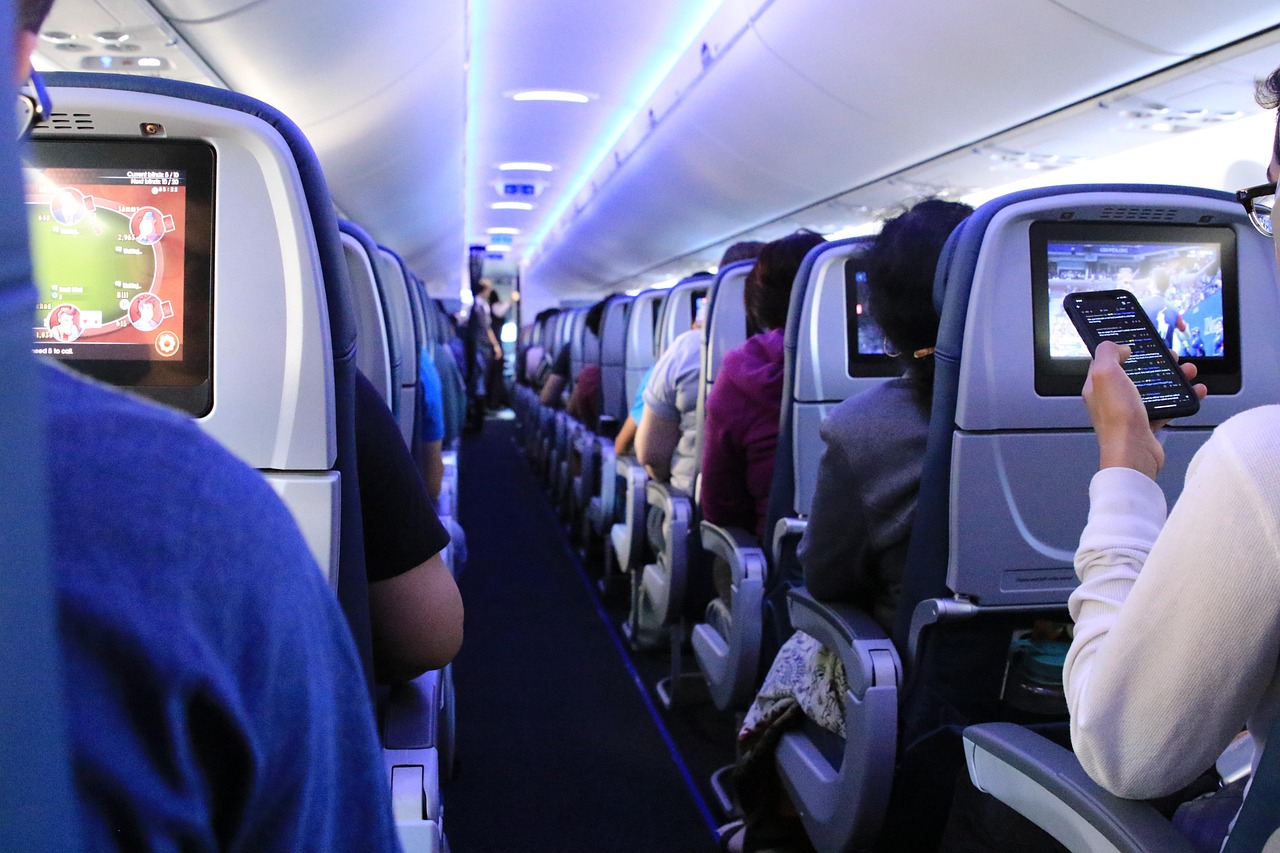
Then a couple appeared beside me, looking equal parts excited and stressed, like they’d been sprinting through terminals on vibes alone. The woman leaned in first. “Hi! Would you mind switching so we can sit together? We’re on our honeymoon.”
The Seat Request That Wasn’t Really a Request
On paper, it sounded simple. In practice, it almost never is. When people ask you to switch seats on a full flight, they’re not usually offering you something equal; they’re offering you a mystery box and hoping politeness does the rest.
I asked where their seats were, because that’s the only sane follow-up question. They pointed toward the back, middle section—two seats apart, neither of them a window. Mine was closer to the front, and I’d paid extra to choose it, because I like to sleep against the wall and I get antsy if I’m stuck between strangers.
So I said, calmly, “I’m sorry, I’m going to stay here.” I tried to keep my tone friendly, the way you do when you don’t want to become a story someone tells for the next decade. For a second, I thought that would be it.
“It’s Our Honeymoon” Goes Airborne
The couple didn’t yell, exactly. But their disappointment got loud fast, the way some people’s feelings become a group project without anyone consenting. The man gave me a look like I’d personally rerouted their romantic destiny.
Then came the line that turned the temperature in the whole row: “Wow. So you’re really going to ruin our honeymoon?” It wasn’t said privately, either—it was broadcast at the volume used for ordering drinks during turbulence.
A few heads turned. You know that plane silence: the kind where everyone pretends they’re not listening while also collecting every detail like they’re jury members. The couple repeated it once more—“ruining our honeymoon”—as if saying it again would magically change the seating chart.
The Cabin Reacts: Side-Eye, Shrugs, and Silent Math
The reactions were immediate and oddly theatrical. A woman across the aisle looked between me and the couple with a tight-lipped expression that said, “I’m neutral, but I’m also judging everyone.” Someone behind me sighed in a way that suggested they’d seen this episode before and hated the ending.
To be fair, people on planes are already tired, hungry, and mildly offended that gravity is still a thing. Add a romance narrative—honeymoon, no less—and suddenly you’re not just a passenger. You’re a villain in a story you didn’t audition for.
But the unspoken math started happening, too. People could tell this wasn’t an even trade. A window closer to the front versus a middle seat in the back isn’t “switching,” it’s upgrading them with your discomfort as the currency.
The Flight Attendant Steps In (Gently, Like a Pro)
A flight attendant appeared, drawn by the commotion like a professional chaos detector. She asked what was going on with that calm, slightly tired smile that says, “I’ve handled worse than this before breakfast.” The couple launched into their honeymoon explanation with the energy of a press conference.
I kept it simple: “They asked me to switch to a middle seat in the back so they can sit together. I’d like to keep my assigned seat.” The attendant nodded the way someone nods when they’re already forecasting exactly how this will end.
She told the couple she could help look for options after everyone boarded, but she couldn’t require anyone to move from their assigned seat. She also suggested—politely, firmly—that they take their seats so the plane could depart on time. The couple did, but not before one last dramatic glance that could’ve powered a small airport.
Why This Keeps Happening on Sold-Out Flights
This kind of conflict is getting more common, especially as airlines slice the cabin into tiny categories—basic economy, standard, preferred, extra legroom, premium, and “this seat comes with a side of dignity.” Couples sometimes book late, or pick the cheapest fare, or assume they can rearrange the cabin once they’re onboard. And sometimes they can, if the trade is fair and someone genuinely doesn’t mind.
But on a sold-out flight, flexibility is basically a myth. The system is tight: full manifests, limited seats, and passengers who planned ahead (or paid more) to sit where they are. When someone asks you to “just switch,” it often means “take a worse seat so my problem becomes your problem.”
Honeymoons Are Special, But So Is Basic Consent
Here’s the part that gets messy: yes, it’s nice when couples can sit together, especially on a special trip. If they’d offered an equal seat—another window, similar row—or asked without pressure, this might’ve been a sweet moment. Instead, it turned into a public negotiation where “no” wasn’t treated as an answer.
No one is owed your seat because their occasion is important. Planes are not communal couches; they’re carefully assigned rectangles of temporary real estate. Your “yes” is a gift, not an obligation.
And the “ruining our honeymoon” line? That’s not romance, that’s leverage. If a honeymoon can be derailed by sitting apart for a few hours, the airline seating chart is not the main issue in that relationship.
What You Can Say If This Happens to You
If you ever get put on the spot, it helps to have a short script ready. Something like, “I’m sorry, I’m not able to switch,” works because it doesn’t invite debate. You can repeat it as many times as needed, like a friendly robot with boundaries.
If you want to be extra clear, you can add, “I chose this seat for a reason,” or “I paid to select this seat.” You don’t owe an explanation, but a simple statement can cut off the idea that you’re just being difficult for sport.
And if the conversation turns performative—loud, guilt-heavy, or aimed at recruiting the cabin—flag a flight attendant. They’re trained for this, and they’d much rather handle it early than break up a full-blown aisle argument at 30,000 feet.
The Quiet Aftermath: Pretzels, Seatbelts, and Letting It Go
Once the plane took off, the tension faded the way it usually does. The couple settled into their separate seats, and the cabin returned to its regular programming: earbuds, soda cups, and passive-aggressive reclining. No one applauded. No one posted a formal statement. The world kept spinning.
I looked out the window and tried to enjoy the flight I’d planned for. Somewhere behind me, their honeymoon continued—just with a few extra feet of distance and, hopefully, a future story that sounds less like a hostage negotiation. And honestly, if this is what “ruining” looks like, I think we can all survive it.
More from Willow and Hearth:
Leave a Reply