It started as a normal sibling favor, the kind you agree to without thinking too hard. “Can I stash the motorcycle in your garage for the winter?” her brother asked, pitching it like a short-term arrangement that would barely register as a blip. She said yes, because it was cold out, because family helps family, and because—how big of a deal could one motorcycle be?
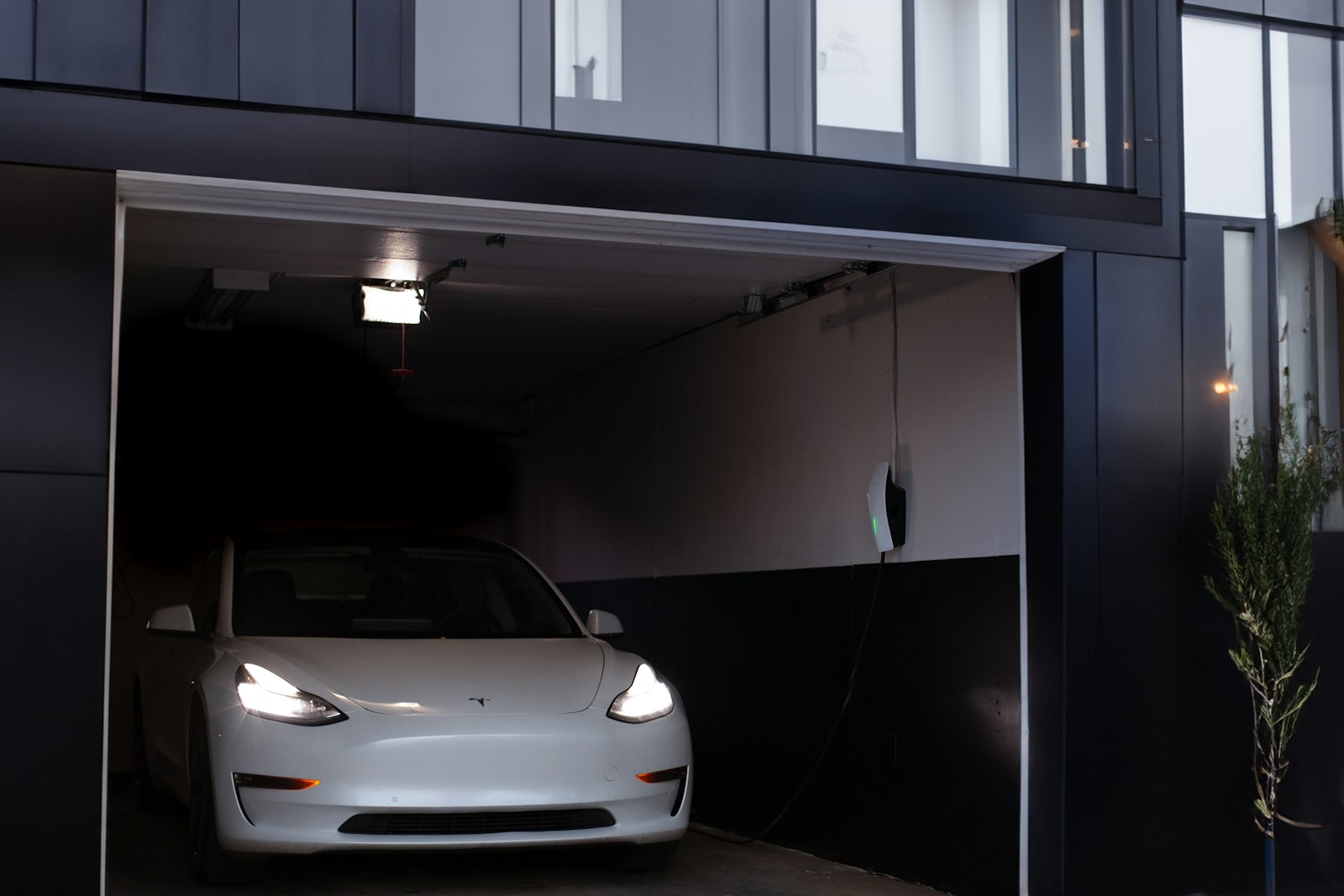
Two summers later, the bike is still there. Not tucked neatly in a corner, either, but positioned like it pays rent—blocking her car and turning every grocery run into a small, ongoing obstacle course. When she brings it up, he doesn’t apologize or make a plan; he says she should be “supportive of his lifestyle.”
A favor that turned into a permanent parking spot
At first, the timeline seemed clear: winter storage, then he’d pick it up when riding season rolled around. But spring came and went, then another, and each time there was a new reason. Work got busy, he was “between places,” the weather wasn’t perfect yet, the battery needed replacing, the insurance wasn’t sorted—always something, never a date.
Meanwhile, the garage stopped functioning like a garage. She began parking at weird angles, squeezing past handlebars, and budgeting extra time just to get her car out without scraping mirrors. It’s one of those annoyances that’s not dramatic on paper, but it wears you down because it’s every single day.
“Supportive of my lifestyle” is doing a lot of work here
When people say “lifestyle,” they usually mean a personal choice—something tied to identity, freedom, or values. Riding a motorcycle can absolutely be all of that. But storing a vehicle on someone else’s property for years is less “lifestyle” and more “logistics,” and logistics require consent, boundaries, and a plan.
Her brother’s phrase lands like a conversation-stopper, a way to paint her as the villain for wanting access to her own garage. It’s clever in a frustrating way: if she pushes back, he can frame it as her being unsupportive, rather than him being inconsiderate. And that’s the part that makes people reading her story wince in recognition.
The real issue: not the bike, the entitlement
Lots of families share space and help each other out, especially when money’s tight. The problem isn’t that he asked once, or even that he needed help. The problem is that he’s acting like the garage is an extension of his own storage unit, with no end date and no cost.
That shift—from asking for a favor to assuming permanent access—is what changes the emotional temperature. It turns a kind gesture into an obligation, and it quietly flips the roles. Suddenly she’s the one who has to justify why she wants her space back, which is backwards.
How it escalated without anyone “deciding” it would
This is how these situations get sticky: no one has a big meeting where they agree to two-year storage. It just happens through delays, vague promises, and the fact that moving a motorcycle requires effort, a truck or trailer, and a bit of coordination. Each month that passes makes it easier for him to think, “Well, it’s been fine so far.”
And for her, each month makes it harder to bring up without sounding “sudden,” even though it’s not sudden at all. She’s been irritated for ages, but she kept swallowing it to keep the peace. Family dynamics can turn minor inconveniences into long-running standoffs when nobody wants to be the one who “makes it a thing.”
What friends are telling her (and what they’re not)
Her friends are split into two camps. One group says, “Just tell him to get it out, end of story,” which is satisfying advice because it’s simple and firm. The other group says, “He’s your brother, don’t blow it up,” which is also understandable—people worry about lasting fallout over a piece of machinery.
What almost nobody says out loud is that this is already “blown up,” just quietly. She’s already paying the price in daily frustration, lost space, and the low-grade resentment that builds when someone treats your home like it’s communal property. The conflict isn’t created by her setting a boundary; it’s created by him ignoring one.
The practical questions nobody wants to ask
There’s also the unglamorous side: liability, damage, and responsibility. If the motorcycle leaks oil, tips over, gets stolen, or somehow causes damage, whose insurance covers what? If her garage door gets scratched or her car gets dented while maneuvering around it, is her brother stepping up—or shrugging?
Then there’s access. If he needs the bike “anytime,” does that mean he expects to come by whenever and open her garage? Even if that’s not happening, the implication matters. A garage isn’t just storage; it’s part of someone’s home, their routine, their sense of control over their space.
Where the line is, in plain language
Supporting a sibling’s hobby or identity doesn’t mean absorbing the consequences of their choices indefinitely. It’s reasonable to help for a season; it’s also reasonable to say the arrangement has expired. The brother can love motorcycles, ride motorcycles, and build his whole personality around motorcycles—without making his sister’s daily commute a motorcycle-themed puzzle.
At a certain point, “support” becomes “subsidy,” and “temporary” becomes “permanent.” If he wants long-term storage, there are options: a paid storage unit, a friend with space who agrees to it upfront, a rented garage spot, or even reorganizing his own living situation to accommodate the thing he values. Adult choices come with adult logistics.
What a sane next step could look like
The clearest path forward is a deadline with specifics, not another vague request. A date, a time window, and a straightforward message: the bike needs to be moved, and after that date it won’t be able to stay. Not as a threat, but as a boundary—because the current setup isn’t working.
And if he responds with the “lifestyle” line again, she can calmly separate the two: she supports his interests, but she’s not able to store his property anymore. She doesn’t have to debate motorcycles, freedom, or identity. She just has to reclaim her garage.
A familiar sibling storyline, with a very modern twist
Underneath the bike is a tale as old as family: one sibling who’s responsible and accommodating, and another who’s charming, scattered, and a little too comfortable being helped. Add a trendy phrase like “supportive of my lifestyle,” and suddenly the argument sounds bigger than it is. But at the end of the day, it’s not a philosophical dispute—it’s a parking problem that’s been allowed to become a pattern.
And patterns don’t change until someone makes them slightly uncomfortable. In this case, that discomfort might simply be her brother realizing he has to make a plan, rent a trailer, and move his motorcycle like the grown-up owner of a grown-up machine. Which, honestly, feels like a pretty supportive outcome.
More from Willow and Hearth:
Leave a Reply