On a random Tuesday at 6:12 p.m., the doorbell rings. There’s laughter on the porch, a couple from down the street holding a bottle of wine, and your husband beaming like he just hosted the Oscars. You, meanwhile, are in yesterday’s sweatshirt, halfway through unloading the dishwasher, and suddenly you’re apparently catering a dinner party.
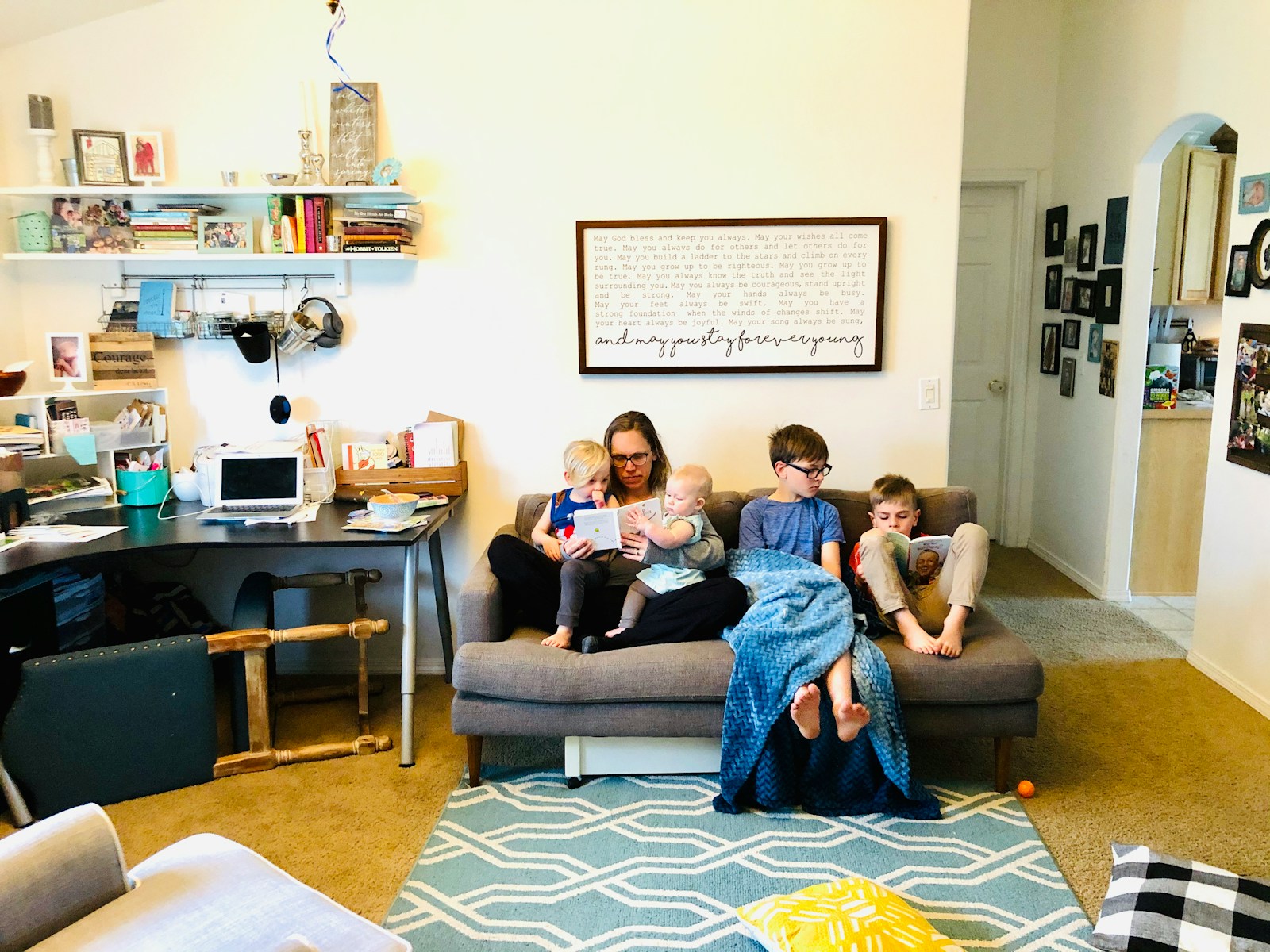
That’s the setup behind a situation many people quietly recognize: one partner loves spontaneous social time, the other ends up doing the logistical heavy lifting. And when the “host” isn’t the one cooking, cleaning, planning, or even knowing it’s happening, the whole thing stops feeling friendly and starts feeling like an ambush.
The surprise guest problem isn’t the guests
It’s easy for outsiders to assume the conflict is about being antisocial or not liking the neighbors. Most of the time, it’s not. It’s about consent, timing, and the invisible work that pops into existence the moment someone crosses the threshold.
Hosting isn’t just chatting in the living room. It’s mentally inventorying what food exists, deciding what’s “acceptable,” making the house presentable enough, and trying to look relaxed while doing it. When that all gets dumped on one person with no notice, the stress isn’t a personality flaw—it’s a normal reaction.
How “we’re having people over” becomes “you’re in charge”
In a lot of homes, the default assumption is that food will appear because someone (often the wife) makes it appear. Even when both partners work, “hospitality” can become code for one person performing domestic competence on demand. It can look traditional and cozy from the outside, but it feels very different when you’re the one scrambling.
The tricky part is how quickly this becomes a pattern. If your husband gets the fun of spontaneous socializing while you absorb the labor and pressure, he’s incentivized to keep doing it. The neighbors become a backdrop, and you become the stage crew—unseen until something goes wrong.
Pizza isn’t awkward; it’s a reasonable solution
Ordering pizza is not a social failure. It’s literally the most classic “we’re together and we want food” option in modern life, and it’s beloved for a reason. If the goal is to enjoy company, outsourcing dinner can be a smart move, not a weird one.
What’s actually happening when someone calls you “socially awkward” for ordering pizza is that they’re judging the optics. They want the scene to look like effortless homey hosting—without doing the effortful part. Pizza exposes the truth: this wasn’t planned, and the household wasn’t resourced for a surprise meal.
When criticism turns into a character attack
There’s a big difference between “I was hoping we could cook tonight” and “You’re socially awkward.” One is a preference; the other is a label that sticks to your identity. Labels are convenient because they shut down discussion—why talk about fairness when you can blame someone’s personality?
If this is a recurring dynamic, it’s worth noticing how the criticism lands. Is he embarrassed in front of others and taking it out on you? Is he minimizing the work you do by implying it should be easy? Those aren’t minor communication hiccups; they’re patterns that can erode trust fast.
What neighbors actually care about (hint: not your menu)
Most neighbors are not keeping score of whether you served a roast chicken or a delivery box. They’re hoping for a friendly vibe, a comfortable seat, and maybe something to drink. If anything, pizza often makes people relax because it signals, “You don’t have to be fancy here.”
And honestly, if a neighbor is horrified that you didn’t whip up a full meal with ten minutes’ notice, that’s useful information. It tells you who’s coming for connection and who’s coming for a performance. One of those groups deserves more of your energy than the other.
Why the “no notice” part matters so much
Surprises are only fun when the person being surprised isn’t forced to work. A last-minute invite changes your evening instantly: what you were going to wear, eat, do, and how much downtime you get. It also changes the emotional temperature of the home, because now you’re “on.”
Notice is a form of respect. It says your time and comfort matter, and that the household is shared, not managed by whoever speaks first. Without it, even a nice social plan can feel like someone else is steering your life.
A more workable “spontaneous” hosting rule
Plenty of couples find a middle ground that still allows for spur-of-the-moment hangouts. The key is making the inviter responsible for the impact. If he invites people over, he owns the hosting tasks: tidying the main area, offering drinks, and handling food—whether that’s cooking, grilling, or ordering takeout.
You can also set a simple notice boundary: no guests unless both adults agree, or a minimum heads-up time unless it’s a true emergency. Another popular option is designating certain nights as “open door” and keeping the rest protected. Spontaneity feels a lot less invasive when it has a container.
Scripts that keep it calm (and surprisingly effective)
If you want words that don’t escalate, try: “I’m not up for hosting tonight, but you’re welcome to hang out. I’m ordering pizza, and you can handle it from here.” That’s not punishment; it’s clarity. It also makes the labor visible in a way a resentful silence never will.
If he pushes back with the awkward comment, keep it grounded: “Ordering food isn’t awkward. What’s stressful is being expected to cook for surprise guests. If you want home-cooked meals for company, we need planning and shared prep.” Repeat as needed, like you’re explaining a rule of the house, not defending your worth.
What’s really being negotiated: labor, respect, and control
On the surface, this looks like an argument about dinner. Underneath, it’s about who gets to make decisions that affect both people, and who pays the cost when those decisions happen. If one partner can create work for the other without asking, it’s not just inconsiderate—it’s a power issue.
The fix isn’t “be a better host” or “be less awkward.” The fix is a fair system where the person who wants the social event also manages the social event. If your husband loves community, great—he can be the guy who orders the pizza, sets out plates, and cleans up after. The neighbors will survive, and you might actually enjoy them again.
More from Willow and Hearth:
Leave a Reply