It starts out so innocently. A light switch that “just needs a quick swap,” a loose stair railing that “won’t take long,” a bathroom fan that “I’m already halfway done with.” Then suddenly it’s been three months and you’re living in a home improvement museum exhibit titled Work In Progress: Please Don’t Touch Anything.
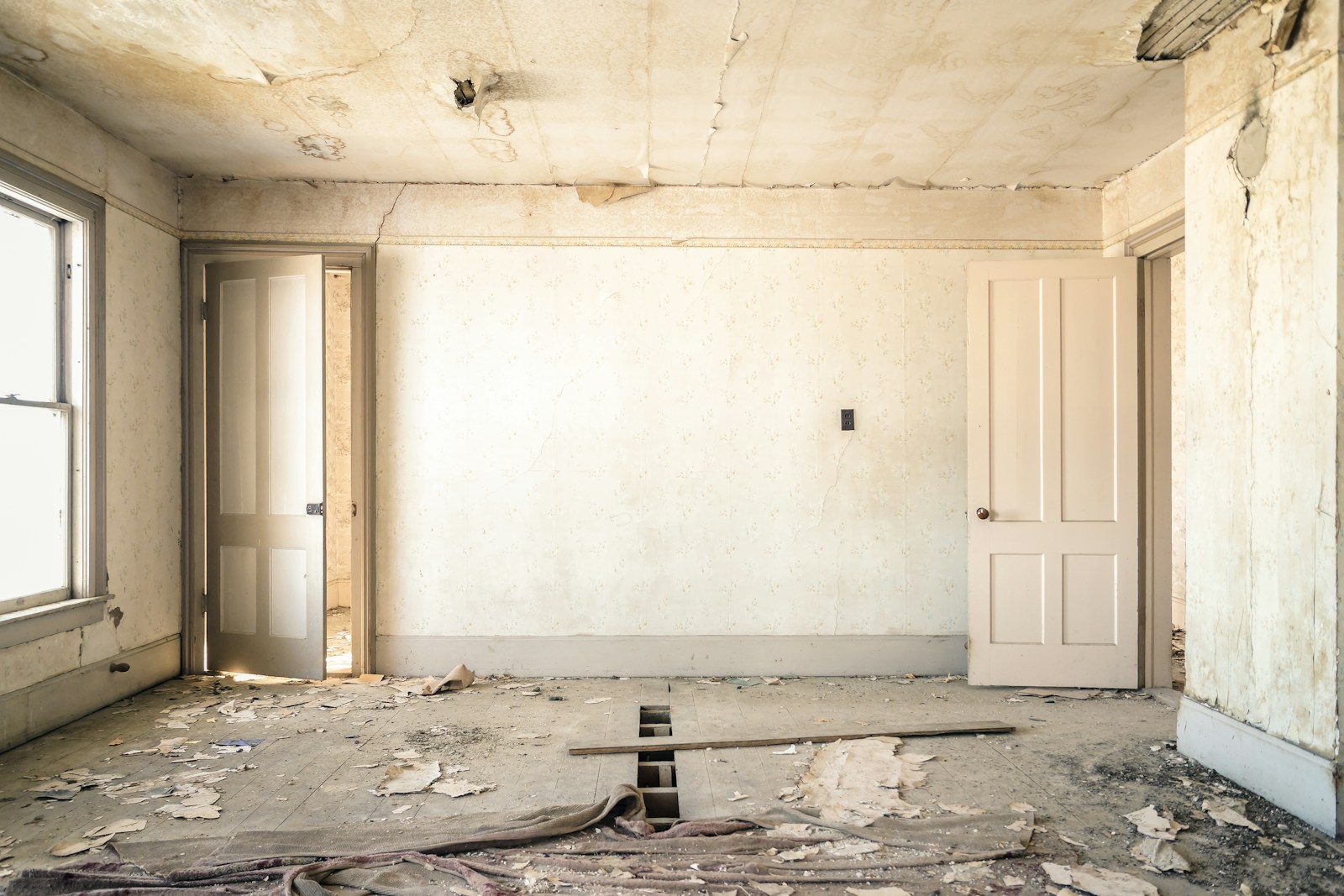
One homeowner told us she’s gotten used to stepping around drills and boxes of screws like they’re part of the décor. The real breaking point, though, wasn’t the clutter. It was the open wiring and half-finished repairs left exposed for weeks at a time, paired with her husband’s calm, maddening refrain: “Trust the process.”
The “process” feels a lot different when you’re the one living in it
There’s a specific kind of stress that comes from walking into your own hallway and seeing an outlet plate missing. You don’t have to be an electrician to feel your brain flash the words “fire hazard” in big neon letters. And it’s hard to relax when you can’t fully tell what’s safe to touch, what’s live, and what’s just temporarily… dangling.
For a lot of couples, the conflict isn’t really about DIY itself. It’s about the gap between how the person doing the project thinks about risk and how the person sharing the space experiences it day after day. One person sees “in progress,” the other sees “ongoing hazard with surprise obstacles.”
Why half-finished DIY projects linger (even when intentions are good)
If you’re wondering why someone would start a repair and then leave it exposed, you’re not alone. In many cases, it’s not laziness; it’s the messy reality of time, energy, and underestimating how long “quick” projects take. A job that seems like a two-hour fix can turn into a multi-step puzzle once a wall is opened or a hidden issue shows up.
There’s also a classic DIY trap: the dopamine hit comes from starting, not finishing. Starting feels productive and exciting; finishing is detail work, cleanup, and the dreaded trip back to the hardware store for the one part you didn’t know you needed. Add work schedules, family obligations, and fatigue, and those “temporary” exposed spots can become semi-permanent.
Open wiring and tools on the floor aren’t just annoying—they’re legitimately risky
Not every incomplete project is dangerous, but some absolutely are. Exposed electrical wiring, uncovered junction boxes, missing outlet covers, and loose connections can increase the risk of shock or fire. Even if the power is “off,” it’s easy for someone to flip a breaker back on, or for a different circuit to be involved than expected.
Tools and materials left on floors are a different category of problem: trip hazards. A drill in a hallway, a box of nails on the stairs, or a loose board leaning against a wall is exactly the kind of thing that’s fine—until it’s not. Kids, pets, and tired adults carrying laundry don’t negotiate with obstacles; they just meet them at full speed.
“Trust the process” can sound like “stop asking questions”
When someone responds to safety concerns with “trust the process,” it can land like a shutdown, even if they don’t mean it that way. It implies you’re overreacting, or that your role is to wait quietly while they handle it. And if you’re the one living next to a half-installed light fixture, that’s not exactly a soothing message.
There’s also a communication mismatch hiding underneath. The DIY-er may be thinking, “I know what I’m doing, and I’ll get to it,” while their partner hears, “Your comfort doesn’t matter as much as my timeline.” No one loves feeling like the nag in their own house, especially when the ask is simply: “Can we make this safer tonight?”
The compromise couples keep coming back to: safety rules, not DIY bans
Most people don’t actually want to outlaw home projects. They want the home to feel livable while projects happen, and they want basic safety handled promptly. The sweet spot tends to be a set of clear, boring house rules that take emotion out of it.
Think of it like a “jobsite standard,” but for a normal home with normal people who also need to cook dinner. Couples who navigate this well often agree on simple non-negotiables: no exposed live wiring, no uncovered boxes, tools get picked up at the end of the day, and walkways stay clear. It’s not about controlling the project; it’s about controlling the risk.
What “good enough for tonight” safety looks like
There’s a middle ground between “perfect finish” and “electrical spaghetti.” If a project can’t be completed in one session, it should be made safe in one session. That might mean turning off the circuit at the breaker and labeling it clearly, capping wires properly, installing a temporary cover plate, and putting everything inside an approved electrical box instead of leaving it loose.
For tool chaos, “end-of-day reset” can be a lifesaver. A simple bin for tools, a dedicated shelf in the garage, and a rule that nothing lives on the floor overnight can dramatically reduce the daily frustration. You’re not asking for a Pinterest workshop—just fewer chances to trip while holding a mug of coffee.
How to bring it up without starting the same fight again
Timing matters. Bringing it up while someone’s mid-task or already stressed tends to turn a safety concern into a pride battle. A calmer approach is to pick a neutral moment and frame it as shared problem-solving: “I appreciate you fixing things, and I need the house to feel safe while it’s in progress.”
Specifics help more than general frustration. Instead of “you never finish anything,” try “the open wiring in the hallway makes me nervous—can we cap it and cover it tonight?” You’re not questioning competence; you’re naming a concrete risk and asking for a concrete action.
When it’s time to call in a pro (and why that’s not a defeat)
Some projects are perfect DIY wins, and some projects are better as “pay money to stop thinking about this” situations. Electrical work is a common one: if there’s uncertainty about circuits, loads, or how to properly enclose and protect connections, it’s worth hiring a licensed electrician. The goal isn’t to prove who’s handier; it’s to keep the house safe.
There’s also a practical angle: a professional can finish in hours what might stretch into months of weekends. That doesn’t make your spouse incapable. It just means you’re choosing a faster timeline and fewer open hazards in the space you both live in.
What people in the same situation say they really want
When we hear stories like this, the most common theme isn’t anger about DIY itself. It’s the feeling of being dismissed when raising a legitimate safety concern. Most partners aren’t asking for perfection; they’re asking to be taken seriously.
And honestly, “trust the process” is fine—if the process includes guardrails. A household can survive a half-painted wall and a missing baseboard for a while. It’s a lot harder to shrug off exposed wiring and tools underfoot, especially when the fix is often less about finishing everything and more about making it safe until it’s finished.
More from Willow and Hearth:
Leave a Reply