In a lot of neighborhoods, winter has its own unspoken rulebook: shovel your spot, help an older neighbor if you can, and try not to make your snow someone else’s problem. But as one homeowner found out this season, those “common sense” rules can get slippery fast when a driveway meets a fence line. Their complaint is simple and maddeningly specific: the neighbor keeps piling snow along the fence, blocking the gate and making it hard to access the yard.
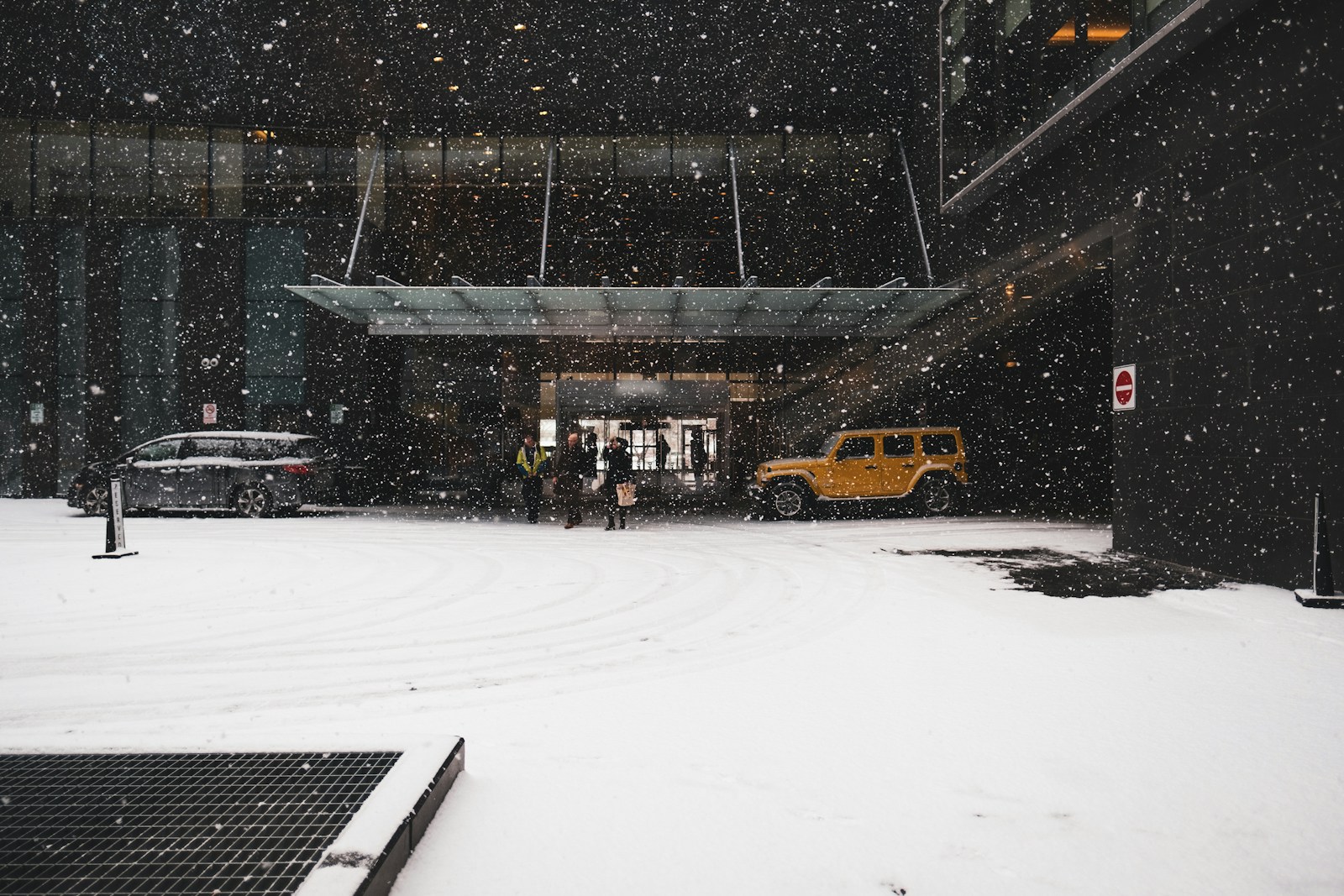
When confronted, the neighbor’s explanation was almost poetic in its deflection. It’s not personal, they say. It’s just “where gravity takes it.” And now the person on the other side of that gravity-driven snowbank is stuck trying to figure out what’s normal, what’s allowed, and what to do next without turning a cold-weather nuisance into a year-round feud.
A winter problem that feels small… until it isn’t
Snow disputes rarely start as dramatic, headline-grabbing blowups. They start as a blocked latch, a gate that won’t swing, or a footpath that turns into an obstacle course every time you try to take the trash out. The frustration builds because it’s repetitive, predictable, and somehow always happens when you’re already juggling icy steps, short daylight, and numb fingers.
For homeowners with fenced yards, gates aren’t just a convenience. They’re access points for pets, storage, snowblowers, maintenance, and sometimes even emergency egress. When a neighbor’s snow pile turns that gate into a frozen wall, it stops being “annoying” and starts messing with daily life.
“It’s where gravity takes it” and other greatest hits
There’s a certain charm to the phrase “where gravity takes it,” like the snow simply wandered over on its own. But gravity doesn’t operate in a vacuum; people choose where to shovel, where to push, and where to stack. If the neighbor is consistently clearing their driveway by pushing snow toward your fence, gravity is just finishing the job they started.
That said, not every neighbor who does this is trying to be a villain. Some folks genuinely don’t think about how far a pile spreads as it settles, melts, and refreezes. Others assume the fence line is a neutral no-man’s-land, when it’s actually the boundary of someone else’s usable space.
Why fence-line snow piles become a bigger headache over time
Snow doesn’t stay fluffy and polite. It compacts, turns into a dense berm, and can freeze into something that laughs at your shovel. If it’s piled along a fence, it can also press against panels, warp a gate, or jam hinges—especially during thaw-freeze cycles.
Then there’s drainage. When that pile melts, water runs somewhere, and “somewhere” often means toward your yard, your gate threshold, or your walkway. The result can be a mini skating rink right where you need traction most.
What the “rules” usually are, in plain English
Specific laws vary by city and county, but the common theme is pretty consistent: you generally can’t dump snow onto someone else’s property or create a hazard that affects them. Even if it’s unintentional, repeatedly placing snow so it blocks a gate or access point can cross into “not okay” territory. Some municipalities treat it like any other obstruction or trespass, especially if it interferes with safe access.
There’s also a practical standard that matters even when legal rules are fuzzy: normal use and enjoyment of your property. If your gate is regularly blocked and you have to do extra labor just to access your yard, you’re not being unreasonable for wanting it fixed. Gravity is not a legal strategy, and it’s definitely not a neighborly one.
The first step that works more often than you’d think
If you haven’t already, a calm, specific conversation can go a long way. Not “you always do this,” but “when the snow is piled here, my gate won’t open and I can’t access my yard.” People tend to respond better when the issue is framed as a practical problem with a practical solution.
It can help to propose an alternative spot that still works for them, like a different corner of their yard, a designated pile area away from the fence, or simply pushing snow inward instead of outward. Sometimes the easiest fix is just changing the angle of where they’re pushing from. And yes, it’s a bit ridiculous to be doing driveway snow logistics like it’s a construction project, but winter makes project managers of us all.
Document it, because memories get selective in February
If the issue keeps happening, take photos after each snowfall showing the pile location and how it blocks the gate. A quick timestamped phone pic is usually enough. You’re not building a courtroom drama; you’re building clarity.
It also helps to keep notes: dates, what you said, what they said, and whether you had to move the snow yourself. If you ever need to involve a landlord (yours or theirs), an HOA, or the city, a simple record makes the situation less “he said, she said.”
Small fixes that can reduce the damage (without excusing it)
Some homeowners install a short snow fence or a low barrier a foot or two inside their property line near the gate, mainly to prevent drifting and piling. Others reinforce gate hardware so it’s less likely to bend or seize up. These are mitigation steps, not a solution, but they can keep the gate functional while the bigger issue gets addressed.
If you do any physical changes, keep them clearly on your side of the line. The goal is to protect your access, not start a boundary war. Nobody wants to spend spring arguing about six inches of space when they’d rather be planting tomatoes.
When it’s time to bring in a third party
If your neighbor won’t stop, or if the pile creates a safety hazard, you may need backup. In many places, city code enforcement or public works can tell you what’s allowed and what isn’t, especially if snow is being placed in a way that blocks access or creates icy runoff. If you’re in an HOA, they may have specific rules about snow storage and property interference.
Mediation is another option that’s surprisingly effective for ongoing neighbor disputes. It’s less intense than legal action and often gets people to agree on a simple, written plan: where snow can go, how close to the fence is too close, and what happens after big storms. Think of it as a peace treaty for the shovel season.
The neighborly angle: keeping it civil while standing your ground
It’s tempting to match energy—especially if “gravity” is being used like a mic drop. But the most successful approach usually mixes firmness with a little friendliness: you’re not asking for perfection, you’re asking for access. You can be clear that the gate can’t be blocked and still keep the tone human.
A good line is something like, “I’m not trying to be difficult, I just need the gate usable. Can we agree to keep snow off this section of fence?” It’s direct, it’s reasonable, and it doesn’t invite a philosophical debate about physics. If they still insist gravity is in charge, you can gently remind them that the shovel is, too.
More from Willow and Hearth:
Leave a Reply