Every morning, like clockwork, the sprinklers kick on next door and my walkway turns into a tiny slip-and-slide. It’s not a light mist, either. It’s the kind of overspray that leaves puddles, darkens the concrete, and makes you do that careful “don’t fall, don’t fall” shuffle while holding coffee.
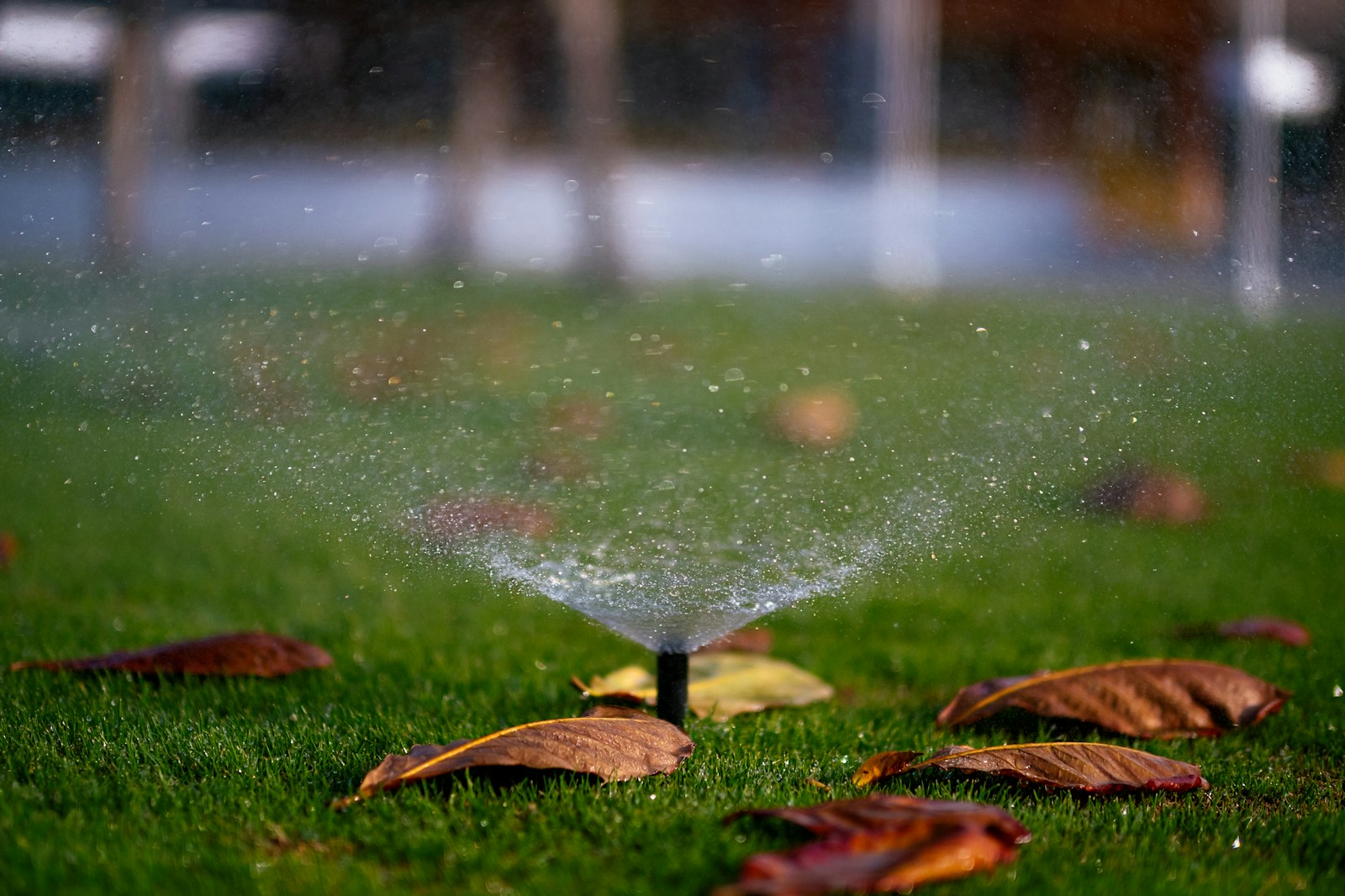
When I finally mentioned it, my neighbor shrugged and hit me with the line: water drift is “just suburban living.” Which is… a take. But as more homeowners deal with tight lot lines, automatic irrigation, and early-morning schedules, this kind of soggy standoff is becoming oddly common.
The new front-line of neighbor disputes: irrigation overspray
We’ve all heard the classics—fence lines, barking dogs, whose tree is dropping leaves where. Now sprinklers are joining the hall of fame, mostly because modern systems are set-and-forget, and they rarely “forget” politely. When a sprinkler head is angled a few degrees off, it doesn’t just water grass; it waters everything in range, including your property.
And walkways are especially annoying targets because they’re supposed to be safe and predictable. A wet driveway is one thing. A wet walkway right where you step, at the exact time you’re half-awake and rushing out the door, is a daily hazard dressed up as “normal.”
Why it’s not just an annoyance—it can be a safety issue
Concrete and pavers can get slick fast, particularly if algae or mildew start forming from repeated moisture. Add a little morning shade, a handful of wet leaves, or that thin film of grime that shows up over time, and you’ve got a legitimate fall risk. It’s the sort of problem that sounds petty until someone twists an ankle in front of the mailbox.
There’s also the slow-burn property damage angle. Constant water hitting the same area can contribute to staining, erosion along the edges, or shifting of pavers if the base stays damp. Even if it never gets that dramatic, it’s frustrating to feel like you’re stuck maintaining your neighbor’s runoff routine.
What “water drift” actually means (and why it’s not always acceptable)
Your neighbor isn’t wrong that some drift happens. Sprinklers throw water, wind exists, and suburban lots are basically close-quarters living with lawns. But “some drift” is different from “my walkway is wet every day and it’s becoming slippery.”
In many places, repeated overspray can run afoul of local water-use rules, especially in drought-prone regions. Watering sidewalks and driveways is often explicitly discouraged, and sometimes it’s ticketable when restrictions are tight. Even without a citation in play, it’s not wild to expect someone to aim their system so it waters their yard, not your walking path.
The sprinkler setup problems that cause the morning soak
Most overspray comes down to a few common culprits: misaligned heads, the wrong nozzle type, excessive water pressure, or a spray pattern that’s too wide for the space. Sometimes the head is tilted because a mower clipped it. Sometimes it was installed that way and nobody noticed because, hey, it’s “just water.”
Timing matters too. Early mornings are standard for irrigation, but that’s also when dew and shade keep surfaces wet longer. So even a short cycle can leave your walkway damp well into the time you’re actually using it.
The conversation that works better than “Hey, your sprinklers are annoying”
If you’re dealing with this, the most effective approach is usually specific and practical, not accusatory. Something like: “I’ve noticed your sprinklers are spraying onto my walkway every morning, and it’s getting slippery. Could we adjust the head or nozzle so it stays on your lawn?” is hard to argue with because it’s about safety and a fixable detail.
It can help to catch them at a neutral time, not right after you’ve nearly eaten pavement. And if you can, point it out while the system is running. Seeing the arc of water hitting your concrete is more persuasive than describing it later from memory.
Small fixes that usually solve it (without a whole irrigation overhaul)
Most of the time, the solution is surprisingly low-drama. A sprinkler head can be rotated a few degrees, the spray radius can be reduced with a different nozzle, or a half-circle pattern can replace a full-circle one. If pressure is too high, a pressure regulator or adjustment can prevent that aggressive “firehose” effect that sends water past the grass.
Even trimming a bush that’s deflecting spray can change where the water lands. And if the system is set to run longer than needed, dialing it back reduces both drift and water bills—an argument that tends to land well with basically everyone.
If they won’t budge: documenting the issue without becoming “that neighbor”
If your neighbor insists it’s “just suburban living” and refuses to adjust anything, it’s reasonable to start keeping a simple record. A few photos or short videos showing the overspray hitting your walkway, with timestamps, can be useful if you need to escalate later. Keep it factual, not theatrical.
You can also check whether your city or water district has guidelines about irrigation overspray. Many do, and they’re often written in plain language: don’t water pavement, fix broken heads, avoid runoff. Knowing the rules gives you options, even if your first choice is always solving it like adults over a fence line.
HOAs, landlords, and local rules: the not-fun backstops
If you live in an HOA, there may already be landscaping standards about runoff, watering schedules, or “nuisance” conditions. HOAs can be a blunt instrument, but they can also be the fastest way to get a sprinkler adjustment when polite requests go nowhere. If you’re renting, your landlord or property manager may be able to contact the neighbor’s owner or management company directly.
Municipal code enforcement is the last stop for most people, but it exists for a reason. In areas with water restrictions, reporting chronic overspray can be taken seriously—especially if it’s clearly watering hardscape. Nobody wants to be the sprinkler snitch, but nobody wants a daily slip hazard either.
Keeping the peace while keeping your walkway dry
There’s a sweet spot between “suffer in silence” and “declare sprinkler war.” Offering an easy path to a fix—like suggesting they have their irrigation person adjust the head during the next service—lets your neighbor save face and solve the problem. If you’re comfortable, you can even offer to show them exactly where it’s hitting, so it’s a two-minute tweak instead of a vague complaint.
And if you need a little humor to keep it friendly, you can frame it as teamwork: “I’m all for your lawn thriving, I just don’t want my walkway to start requiring a lifeguard.” The goal is a dry, safe path and a neighbor relationship that doesn’t feel like it’s one sprinkler cycle away from a cold war.
More from Willow and Hearth:
Leave a Reply