In a household where dinner plans are often decided by whatever’s in the pantry, one couple’s attempt at “aesthetic organization” has turned into an unexpectedly spicy domestic debate. The spark: a pantry makeover arranged by color, paired with a decluttering sweep that removed anything deemed visually busy. The aftershock: a frustrated home cook staring into a gorgeous gradient of packages, unable to find cumin.
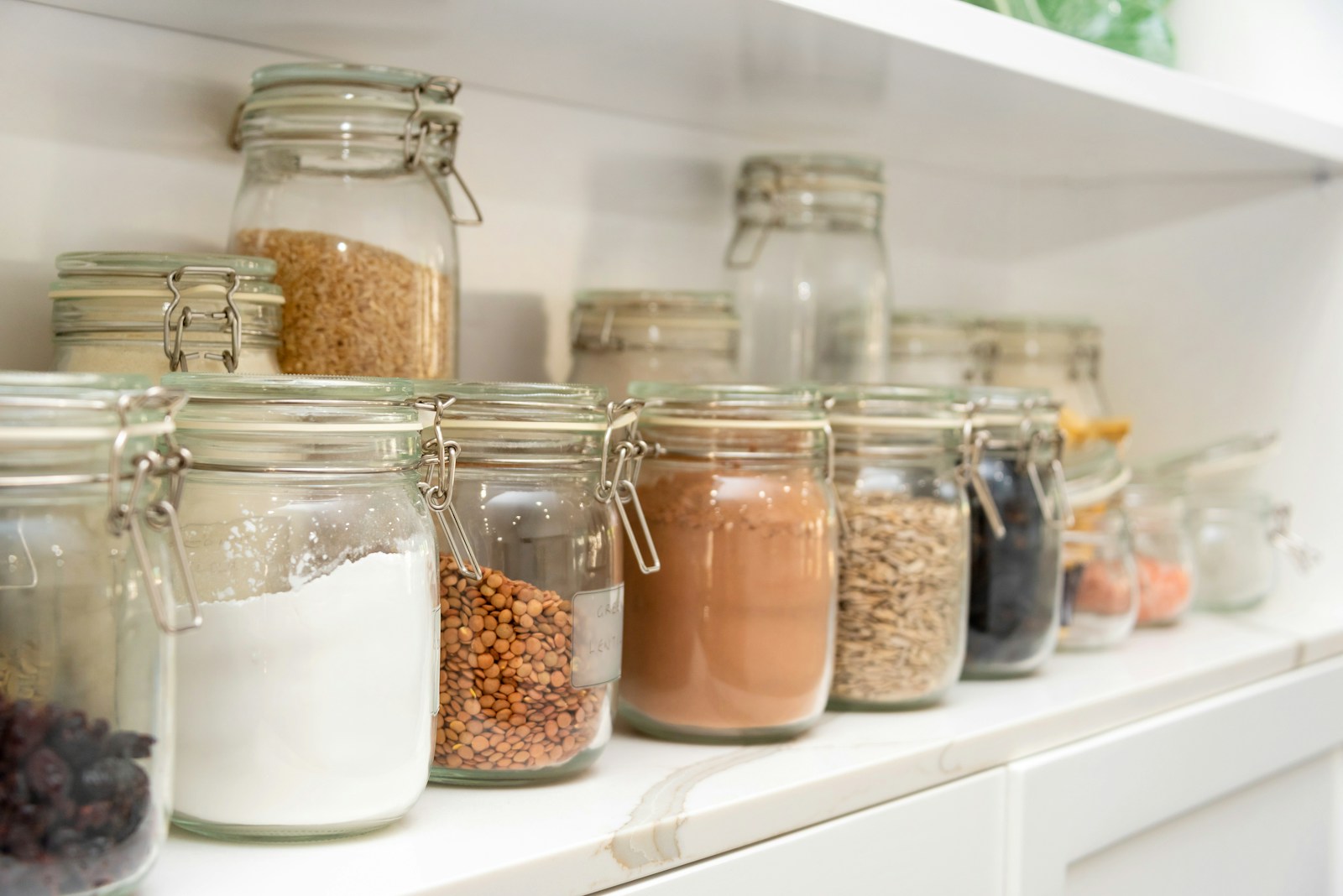
“It looks like a magazine now,” the husband told friends, sounding impressed and slightly haunted. “But I can’t locate ingredients. And apparently that means I’m ‘resisting beauty.’” The wife, for her part, says she was trying to create calm, not chaos, and that the new pantry is “so much more peaceful.”
The makeover that launched a thousand missing spices
According to the couple, the reorganization started innocently: a weekend project, a little spring cleaning energy, and one too many social media videos featuring glass jars lined up like tiny soldiers. The wife tackled the pantry with a designer’s eye, grouping items by color to create a pleasing visual flow—reds together, greens together, neutrals in another zone. It’s the kind of system that makes guests say “wow” even if they don’t know what a guest is doing in your pantry.
But the bigger shift came with what she calls “editing.” Anything that looked cluttered—oddly shaped packaging, partially used bags, mismatched containers—was either consolidated, relocated, or tossed. The husband says some of those “cluttery” items were, in fact, core ingredients, including specialty flours, a half-used bag of lentils, and at least one sauce he claims was “expensive and emotionally significant.”
“Resisting beauty” and other phrases you don’t expect in a pantry fight
The phrase at the center of the story—“resisting beauty”—has become a recurring line in their kitchen, delivered with a mix of sincerity and exasperation. The wife reportedly used it after the husband asked where the baking soda went and why the spices were no longer near the oils. From her perspective, he wasn’t just looking for ingredients; he was rejecting a calmer, more intentional space.
From his perspective, he’s not against beauty. He’s against searching for paprika like it’s hidden in an escape room. “I’m pro-beauty,” he said. “I’m just also pro-being able to cook without sending a search party.”
When aesthetics collide with functionality
Home organization experts often talk about the tension between “Pinterest pantry” goals and real-life cooking habits, and this household is basically a case study with better lighting. Color-coding is visually satisfying, but it doesn’t always map onto how people actually use a pantry. Most cooks think in categories—baking, spices, canned goods, snacks—not in shades of amber and forest green.
There’s also the question of personal systems. If one person does most of the cooking, they tend to build muscle memory around where things live. When that map changes overnight, it’s not just inconvenient; it can feel like the kitchen has been rearranged by a well-meaning stranger who doesn’t know your routine.
The great purge: “clutter” or “inventory”?
The throwing-away part is where this story turns from quirky to genuinely tense. Decluttering can be helpful, especially if items are expired, duplicative, or never used. But when “looks cluttered” becomes the criteria, it’s easy to toss things that are still useful—especially if you’re judging packaging rather than purpose.
Food waste is also an emotional landmine. The husband described opening the trash and seeing familiar items like he’d stumbled onto a tiny, sad food graveyard. The wife insists she didn’t mean to waste anything and believed she was removing “old stuff,” but the couple now disagrees on what counts as old, what counts as essential, and whether quinoa belongs in a glass jar or in its original bag where the cooking instructions live.
What friends are saying (and why everyone has a pantry opinion)
As with any domestic saga, once friends hear about it, everyone becomes an expert. Some sided with the wife, praising her for taking initiative and making the space feel calmer. Others sided with the husband, arguing that a pantry is a tool, not a showroom, and that you shouldn’t need a scavenger hunt to make chili.
A few friends tried to broker peace with compromise solutions: labels, zones, a shared inventory list, maybe a rule that nothing gets trashed without both people agreeing. One friend suggested a “two-bin system” for misfits: one basket for odd packaging, another for open bags, so they’re contained but not exiled. The most popular suggestion, delivered with a grin, was simple: “Make the pantry pretty, but let it stay edible.”
Small fixes that could save dinner (and the marriage vibe)
Organization doesn’t have to be a winner-take-all situation, and this is where the couple’s story starts to look solvable. A color-coded pantry can still have functional zones: one shelf for baking, one for grains, one for spices, one for sauces. Within each zone, sure, make it pretty—line up jars, decant pasta, arrange labels so they match. But the primary system should match how meals actually happen.
Labeling is the unsung hero here. If the wife loves the visual calm of uniform containers, labels can keep that calm while making ingredients findable by normal humans who are hungry. Even a simple “SPICES,” “BAKING,” or “RICE & GRAINS” label can stop a lot of low-grade frustration before it turns into a full debate about beauty and resistance.
Then there’s the disposal rule, which may be the biggest relationship saver of all: no throwing away food unless it’s clearly expired, unsafe, or mutually agreed upon. A “quarantine bin” can help—items that feel cluttery go there temporarily, and if nobody uses them after a month, then you revisit. That way, the pantry still gets edited, but dinner doesn’t get accidentally deleted.
The deeper issue: whose kitchen is it?
Under the jokes about turmeric and the philosophical arguments about aesthetics, there’s a real question: who gets to decide how shared spaces work? The wife likely wanted to contribute, create a sense of order, and maybe feel proud of a home upgrade. The husband likely wanted predictability, respect for his routine, and reassurance that his ingredients won’t vanish because they came in an ugly bag.
Experts in household dynamics often point out that conflict isn’t always about the pantry. It’s about autonomy, communication, and feeling considered. If one person makes a sweeping change without checking in, the other can feel steamrolled—even if the result is objectively prettier.
Where they go from here
For now, the couple is reportedly negotiating a truce: the pantry stays attractive, but it also needs to pass a basic test—either person should be able to find salt in under ten seconds. They’re discussing zones, labels, and a shared list of “do not toss” staples. The husband says he’s willing to appreciate the new look, as long as beauty doesn’t come with a side of missing ingredients.
And the wife? She’s standing by her vision, but she’s also starting to see that functionality is part of the aesthetic, even if it’s not as photogenic. A pantry can be calming and practical at the same time, which is good news for everyone. After all, a color-coordinated shelf is nice, but it’s even nicer when you can actually make dinner with what’s on it.
More from Willow and Hearth:
Leave a Reply