At Willow Creek Elementary, the annual spring fundraiser is usually the kind of community event that runs on sticky notes, late-night group texts, and the quiet heroics of whoever remembers to bring the tablecloths. This year’s “Family Fun Night” did run smoothly—so smoothly, in fact, that it raised a record amount for classroom supplies and field trips. The part that didn’t go smoothly was what happened afterward, when credit for weeks of planning suddenly became… a group project.
Several parents say a single volunteer publicly positioned herself as the main organizer, even though another parent had done most of the behind-the-scenes work. The moment came during a cheerful wrap-up email and a quick thank-you speech at pickup, where the phrasing “we all helped a little” landed with a thud. “It’s not that I need a trophy,” one parent involved said, “but it was weeks of coordinating, and hearing it minimized felt awful.”
A fundraiser that looked effortless—because someone made it that way
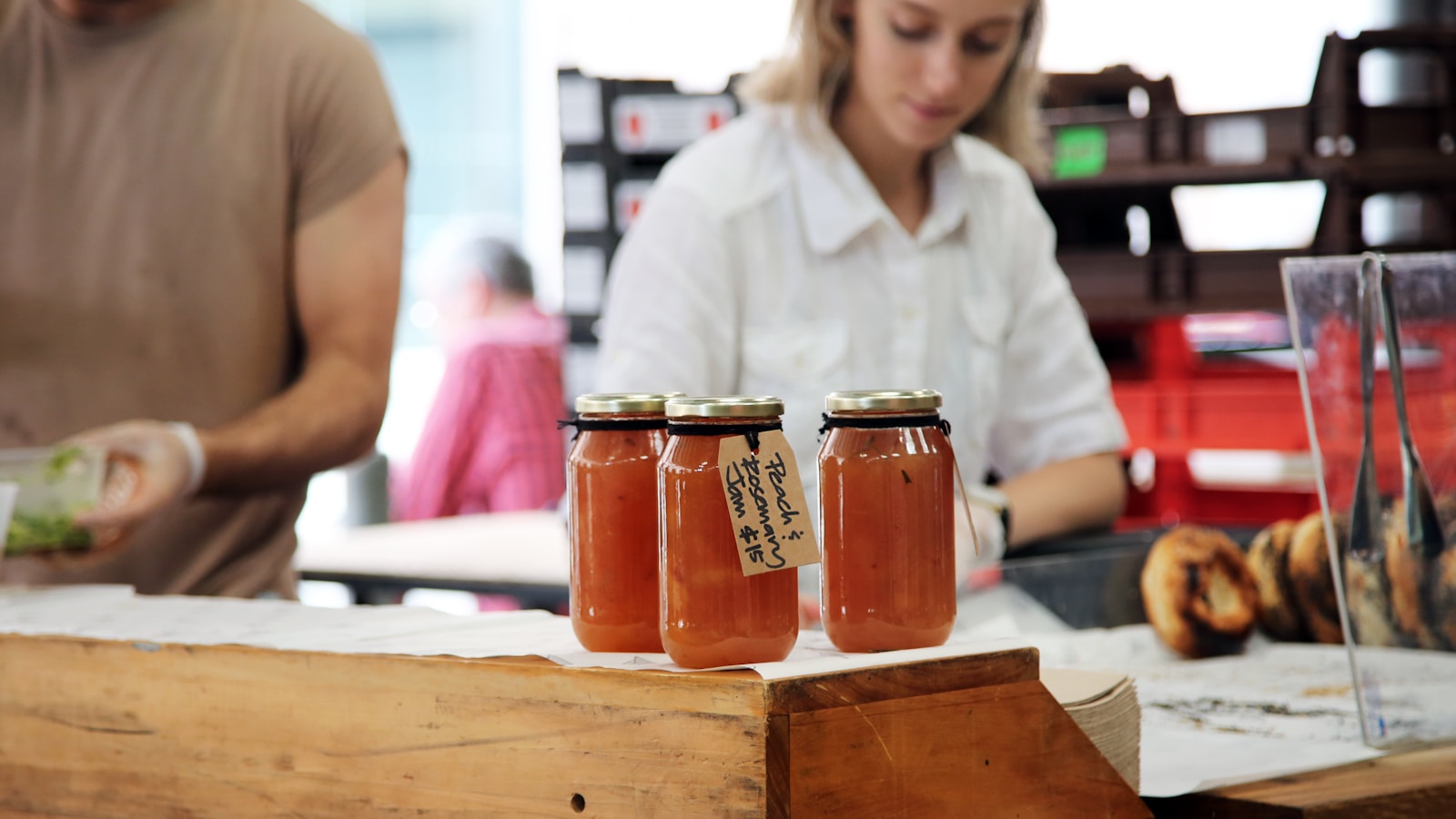
The fundraiser itself checked every box: raffle baskets, a bake sale, a “silly string the principal” station, and a surprisingly competitive cake walk. Volunteers rotated through shifts, kids ran around with tickets clutched in sweaty hands, and the PTA table looked like it was staffed by people who’d done this in a past life. If you only saw the night of the event, you’d think it came together in a few enthusiastic meetings and some can-do spirit.
But parents close to the planning say the real work happened weeks earlier, in spreadsheets and supplier calls and a calendar that didn’t care about anyone’s day job. One parent—who asked not to be named because “I still have to see these people at drop-off”—described lining up donations, managing volunteer sign-ups, confirming insurance requirements, and getting last-minute approvals for school facilities. “It’s like hosting a wedding, except the guests are third graders hopped up on frosting,” she joked.
Where the tension started: “I can totally take that off your plate”
According to multiple parents, the organizing parent originally stepped forward after the PTA asked for someone to coordinate. She started with a plan, delegated tasks, and kept the momentum going with regular updates. A second parent—described as well-meaning but very confident—began offering to “take things off your plate,” which seemed helpful at first.
Then the offers turned into decisions. Signage was redesigned without approval, a vendor was contacted twice with conflicting instructions, and a few volunteers were reassigned after they’d already committed to shifts. Several parents said they chalked it up to enthusiasm, the kind that spills over when someone’s used to running things at work and forgets that school events have a lot more cooks in the kitchen.
Still, the original organizer kept things on track. “I tried to assume good intentions,” she said, “because we’re all here for the kids. I didn’t want drama over cupcake pricing.”
The moment credit changed hands
The day after the fundraiser, families received a bright, upbeat email thanking volunteers, celebrating the total raised, and praising the “planning team” for pulling it off. Parents say the email came from the second parent, not the PTA president or the original organizer, and it framed her as the lead point person. The line that stuck with people was a breezy note that the event succeeded because “we all helped a little.”
At pickup later that week, a few parents also heard a casual recap that left the same impression: that one person had spearheaded the whole thing, with everyone else contributing here and there. “It wasn’t a formal announcement,” said one parent who volunteered at the raffle table. “That’s what made it so slippery. If you correct it, you look petty. If you don’t, you feel steamrolled.”
Why this stings more than it sounds
On paper, the fundraiser was a success, and the school benefited either way. In real life, volunteer work runs on a fragile fuel: feeling seen. Parents often juggle jobs, childcare, and the mental load of family life, and the only “payment” is knowing their effort mattered.
When credit gets blurred, people stop volunteering. “It’s not about ego,” said a longtime PTA member. “It’s about sustainability. If the person who did the hard parts feels erased, they won’t sign up next time. And then the same three people burn out.”
There’s also a social layer that’s hard to ignore. School communities are small ecosystems, and reputation spreads faster than the lice note. If the wider parent group now believes the wrong person organized the fundraiser, it can change who gets asked to lead future events—and who quietly gets overlooked.
What other parents are saying (quietly)
Several parents who spoke informally described a familiar dynamic: one person does the detailed work, another person does the visible work, and the visible work tends to get remembered. It’s not always malicious, they said, but it’s still a problem. “Some people collect credit the way kids collect stickers,” one parent quipped. “They don’t even notice they’re doing it.”
Others noted that the phrase “we all helped a little” can be both true and deeply misleading. Plenty of volunteers staffed tables or baked cookies, and those efforts absolutely mattered. But equating a two-hour shift with weeks of planning isn’t teamwork—it’s math that doesn’t add up.
The PTA’s balancing act: gratitude without rewriting history
School organizations often try to thank everyone equally to avoid hurt feelings, and that’s understandable. But parents involved say there’s a difference between inclusive gratitude and flattening people’s contributions into one vague blob. “You can thank everyone and still acknowledge leadership,” the original organizer said. “That’s not exclusion. That’s accuracy.”
A PTA board member, speaking generally about volunteer recognition, said the best practice is to make roles clear early on and keep communication centralized. If one person is the coordinator, official updates should come from that person or be co-signed. It’s a small detail, but it prevents the “credit drift” that happens when multiple people send messages from different angles.
What happens next at Willow Creek
Parents say the original organizer is considering a polite, direct message to the PTA leadership asking for clarification in the next newsletter—something simple, like listing roles and thanking specific leads. Others have suggested a shared planning document for future events with clearly labeled responsibilities, so it’s harder for anyone to unintentionally rebrand the work as theirs.
Meanwhile, the second parent hasn’t publicly addressed the credit issue. People close to the situation say it’s possible she genuinely believes she played a bigger role than she did, especially if she swooped in during the frantic final days. That’s the funny thing about group projects, even in adulthood: everyone remembers the parts they touched, and forgets the parts they didn’t see.
For now, the fundraiser money is already earmarked for new library books, classroom art supplies, and partial scholarships for upcoming field trips. The kids got their fun night, the school got a financial boost, and the parents got a reminder that community events don’t just need planning—they need fair credit, too. Because if the goal is to keep people showing up, “we all helped a little” shouldn’t be the last word when one person carried the heavy stuff.
More from Willow and Hearth:
Leave a Reply