The plan was simple: freshen up an older house, patch a few cracks, and finally make the basement feel less like a storage cave. Then the contractor pulled down a section of wall covering and stopped mid-sentence. Behind it was a basement window that had been neatly bricked up—and not from the outside, like you’d expect, but sealed from the inside.
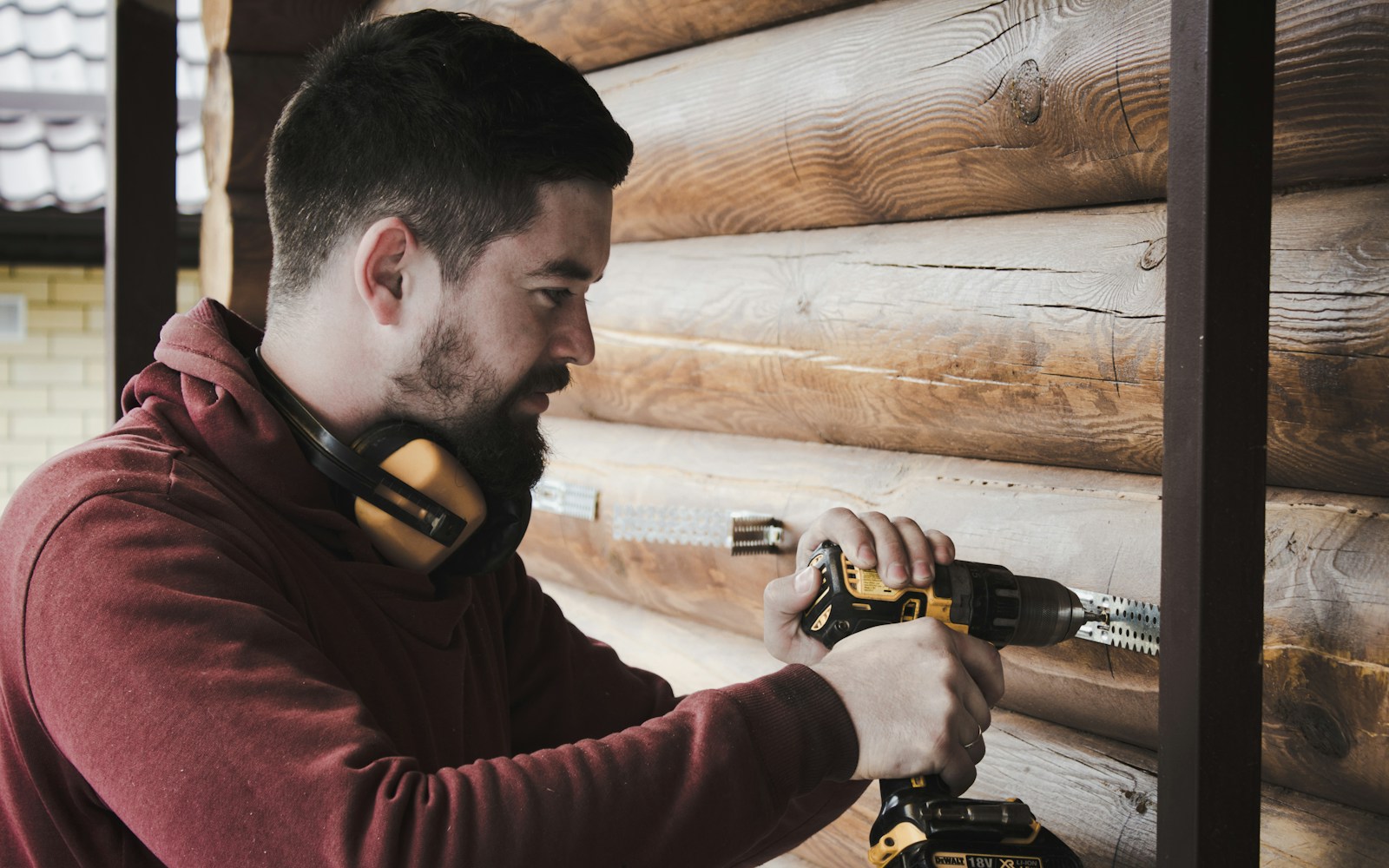
“Why would anyone block light from within?” he asked, half joking and half genuinely puzzled. It’s the kind of question that lands with a thud because it turns a routine renovation into a tiny mystery. And if you’ve ever owned an old home, you know those mysteries have a way of piling up like spare tiles in the corner.
A window that wasn’t supposed to be there (until it was)
At first glance, the bricking looked deliberate and tidy, not like a panicked DIY patch job. The mortar was fairly even, and whoever did it had taken the time to make it sit flush with the interior wall. There was no obvious sign the exterior had been altered recently, which made the whole thing feel even stranger.
Basement windows are usually blocked from the outside when a window well is removed, the grade is raised, or an addition goes in. Sealing from the inside suggests a different kind of decision—one that was more about the room than the yard. In other words, someone standing in that basement once looked at that window and thought, “Nope.”
The contractor’s question is more common than you’d think
Contractors see odd things constantly, but they also develop a good sense for what’s “normal old-house weird” versus “this had a reason.” Blocking a window from the inside lands in the second category because it takes effort and it doesn’t fix the typical outdoor problems. It’s not the simplest way to stop leaks, and it’s definitely not the easiest way to gain insulation.
So when a contractor pauses and asks the question out loud, it’s worth listening. Not because it’s automatically sinister, but because it often points to a story: a past water issue, a renovation you didn’t know about, or a code requirement from a different era. Sometimes it’s just someone’s quirky preference, but houses usually don’t get extra bricks for no reason.
The most likely reasons someone would seal it from the inside
The first and most boring explanation is also the most common: moisture. If that window leaked every time it rained—or every time snow melted—someone may have gotten tired of mopping and decided to permanently close the opening. Bricking it up could’ve felt like a “forever fix,” especially if the window frame was rotted or the surrounding foundation was crumbling.
Another big one is heat loss. Old basement windows can be drafty, and if the space was used as a workshop, laundry area, or even a semi-finished hangout, blocking the opening might’ve been a budget form of insulation. It’s not exactly elegant, but it’s the kind of practical decision that makes sense if you’re watching heating bills and you don’t care about basement sunshine.
There’s also the possibility that the exterior grade changed over time. Landscaping gets built up, patios get poured, and additions get added; sometimes a once-above-ground window ends up staring into a dirt bank. In that case, sealing the inside might’ve been easier than excavating outside, especially if access was tight or the homeowner didn’t want to mess with drainage.
When “blocking light” is really about blocking something else
Light is what we notice, but homeowners often react to other things first: smell, noise, bugs, or privacy. A basement window near a driveway can let in exhaust smell, dust, and plenty of sound. If the house sits close to neighbors, someone might’ve wanted to stop the feeling of being “seen” through a low window, even if it’s not the most logical place to worry about it.
Pests are another surprisingly common motivator. Old, poorly sealed windows can be an open invitation to mice, spiders, and every determined insect with a calendar reminder to move in each fall. If the homeowner tried caulk, foam, and storm windows and still lost the battle, bricks start to look like the nuclear option.
The code and safety angle (yes, even in basements)
Depending on the age of the home and what the basement was used for, code requirements could have played a part. Some older windows weren’t tempered glass, and if the area became a workshop or storage for tools, someone may have worried about breakage. In other cases, renovations reclassify spaces, and homeowners make changes—sometimes misguided ones—to meet what they think code requires.
There’s also the uncomfortable but real possibility that a past owner tried to “de-bedroom” a space. If a basement had been rented out informally, removing egress features could be an attempt to avoid inspections or reduce liability. It’s not common, but it happens often enough that contractors keep it in the back of their minds.
Clues that help tell a harmless fix from a bigger issue
If you find a bricked-up window, the details matter. Fresh-looking mortar, clean edges, and no staining can mean it was done carefully and likely for comfort reasons. On the other hand, heavy efflorescence (that white, chalky mineral buildup), rust streaks, or crumbling mortar can point to ongoing moisture pressure that might still be present behind the wall.
It also helps to look for what’s around it: sump pumps, interior drain channels, dehumidifiers running constantly, or a patchwork of sealants on nearby walls. Those are hints that water management has been an ongoing project. If the basement smells musty or the wall feels cool and damp, the window might’ve been the symptom, not the cause.
What homeowners typically do next (without making it a drama)
Most people don’t immediately unbrick the window like they’re in an adventure movie. The practical move is to document it first: take photos, note measurements, and check what the exterior looks like in the same spot. If the outside is buried, you’ll want to know whether that’s due to landscaping, a new patio, or a structural change like an addition.
Then comes the question of goals. If you want more natural light and ventilation, reopening the window might be worth exploring—especially if the basement is being finished. If you’re mostly concerned about dryness and stability, you might leave it sealed and focus on drainage, grading, and foundation maintenance instead.
The contractor’s curiosity is actually a good sign
A contractor who asks “why” isn’t being nosy; they’re trying to keep you from repeating history. If someone blocked that window to stop a leak, reopening it without addressing exterior drainage is like repainting over a stain and hoping it learned its lesson. If it was blocked for insulation, you’ll want to plan for energy efficiency before turning it back into glass.
And sure, it’s a little funny that an old house can literally hide a window in plain sight. But it’s also kind of comforting in a strange way: houses are just layers of decisions, some smart and some questionable, all made by people trying to make the place work. When you uncover one of those layers, you’re not just renovating—you’re translating the house’s past into something that makes sense for your life now.
More from Willow and Hearth:
Leave a Reply