You see a notice about a required online pet registration and want to know what it means for your animal and your wallet. Complete the online form now to avoid fines up to $500 and keep your pet legal and easier to reunite if lost.
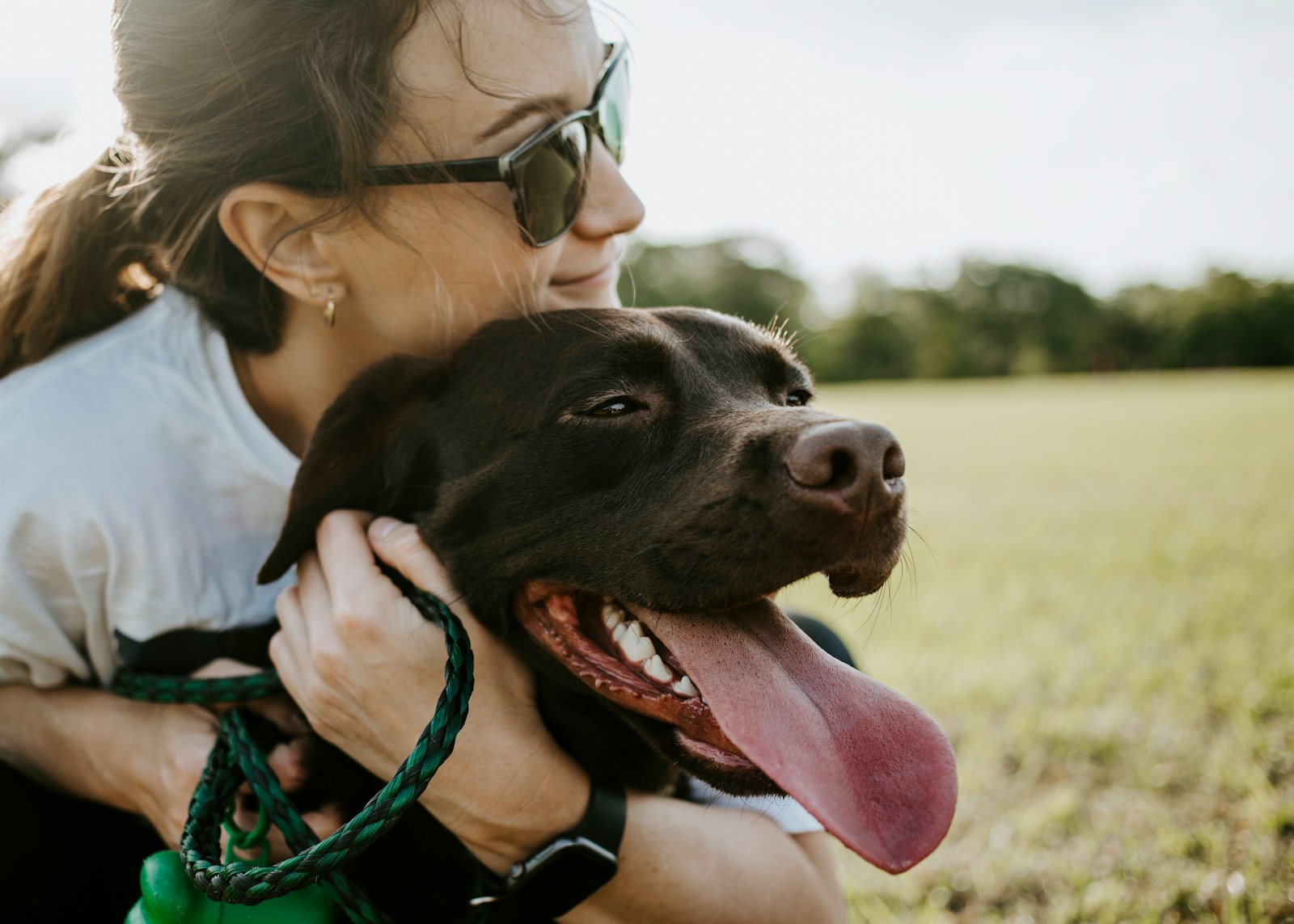
They may feel like extra paperwork, but the registration links pet ownership to vaccinations, identification, and local rules—so it matters more than it looks. The next sections explain who must register, what information is required, and the real consequences of ignoring the rule.
Required Online Registration: What Pet Owners Need To Know
Pet owners must register pets online, keep proof of rabies vaccination handy, and renew tags annually to avoid fines. Many jurisdictions require a visible dog license or registration tag and will accept online submissions with uploaded documents.
Mandatory Pet Registration Laws and Who They Affect
Local laws typically require registration for dogs and often for cats, especially if they go outdoors. Owners who adopt, purchase, or turn three months old must register; this applies to permanent and most temporary guardians.
Registration requirements can vary by city and county. For example, some municipal sites explain that a pet registration helps return lost animals and documents rabies status for public health.
Enforcement may include door-to-door checks or spot fines up to $500 for unregistered animals. Households with multiple pets should verify whether each animal needs its own dog license or if a single household registration covers them.
How To Register Your Pet Online Step-By-Step
Start by visiting your local animal control or county treasurer’s registration portal. Create an account, select the species and number of pets, and choose the license type (annual or lifetime).
Prepare to pay the fee online by credit/debit card; expect small convenience charges on some vendor portals.
Upload a scanned or photographed rabies vaccination certificate and proof of ownership (bill of sale, adoption paperwork, or microchip registration). Complete the application, review details, then submit and save the transaction number and confirmation email for records.
What Documents and Proof You Need
A current rabies vaccination certificate with the pet’s name or microchip number, the veterinarian’s clinic name, and an expiration date usually suffices. Municipalities require proof of rabies to issue a dog license or tag.
Ownership proof can be an adoption form, purchase receipt, breeder registration, or microchip registration printout. Some counties also ask for proof of spay/neuter to qualify for reduced fees.
Keep digital copies in a dedicated folder and retain the confirmation email or transaction number after payment. If a replacement tag is needed, most county pages let owners request one online using that transaction number.
Common Mistakes That Could Lead To Hefty Fines
Not renewing an annual registration by January 1 or missing a registration deadline often triggers fines. Owners who rely solely on microchips without a visible license tag risk having the pet treated as unlicensed when found.
Submitting blurry or incomplete vaccination documents or uploading the wrong pet’s paperwork causes delays and possible penalties. Filling out the wrong county portal or using an outdated address also triggers enforcement notices.
To avoid fines, verify county-specific rules, confirm document clarity before upload, and keep a copy of transaction receipts. If unsure, contact the local animal control or treasurer’s office through the portal linked on the county website.
Why Online Registration Matters and What Could Happen If You Don’t
Online registration links a pet to an owner, speeds reunification, and creates a legal record that local authorities use to enforce licensing rules and public-safety measures. Failing to complete the form can produce immediate costs, complicate searches for lost animals, and trigger actions from animal control that affect both owner and community.
How Registration Helps Return Lost Pets
A completed online registration ties the dog’s microchip number, address, and owner contact details into a searchable municipal database. When an animal control officer or shelter scans a microchip, they can match the ID to the registration and call the listed owner within hours. That reduces shelter hold time and lowers the chance the pet is moved to long-term housing or rehomed.
Visible license tags linked to the same record give members of the public a way to return a found dog without a scanner. Registrations that include updated emergency contacts and veterinary records also help reunite pets that are injured or significantly stressed.
The Role of Animal Control and Licensing Enforcement
Animal control uses the registration database to identify unlicensed animals during field checks, bite investigations, and neglect complaints. If a dog is off-leash or involved in an incident, officers check the database to confirm ownership, vaccination status, and any prior violations. That record influences the immediate response—such as issuing warnings, seizing the animal, or filing formal charges.
Licensing enforcement teams schedule audits and send automated renewal notices when owners fail to complete online forms. Repeated noncompliance often escalates from administrative fines to compulsory court appearances. Accurate online entries let enforcement act quickly and fairly; missing or false entries prolong investigations and raise enforcement costs for the municipality.
Consequences: Fines, Penalties, and More
Municipalities commonly impose civil fines for missed or late registration. These penalties can range up to $500 per the warning in this article, plus additional late fees or court costs if unresolved. Owners may also face mandated microchipping, rabies vaccination proof, or a temporary seizure order until compliance.
Nonregistration can affect legal liability after an incident. If an unregistered dog bites someone, the owner risks higher fines, mandatory quarantine at a licensed facility, and possible civil suits. Insurance claims for veterinary or property damage may be denied or reduced if the dog lacked required registration at the time of the event.
Community Benefits and Public Safety
Accurate registration improves rabies control by tying vaccination records to individual animals, helping public-health teams target post-exposure actions quickly. It also helps planners monitor dog populations, decide on leash-law enforcement levels, and allocate resources for shelters and spay/neuter programs.
Communities with high compliance report faster return rates for lost pets and fewer wandering-dog calls, which reduces officer workload and emergency responses. That saves taxpayer money and lowers stress on shelters, increasing the chance owners reclaim their animals rather than the shelter placing them for adoption.
Relevant reading: understand licensing enforcement and consequences at the National Animal Health Foundation.
More from Willow and Hearth:
Leave a Reply