You’re likely noticing longer lines, missing packages, or mail that arrives late — and you want to know what’s happening and what it means for your day-to-day life. USPS is facing widespread complaints about extended lobby waits, delivery delays, and undeliverable packages accumulating at post offices, and this article breaks down why those problems are happening and what to expect next.
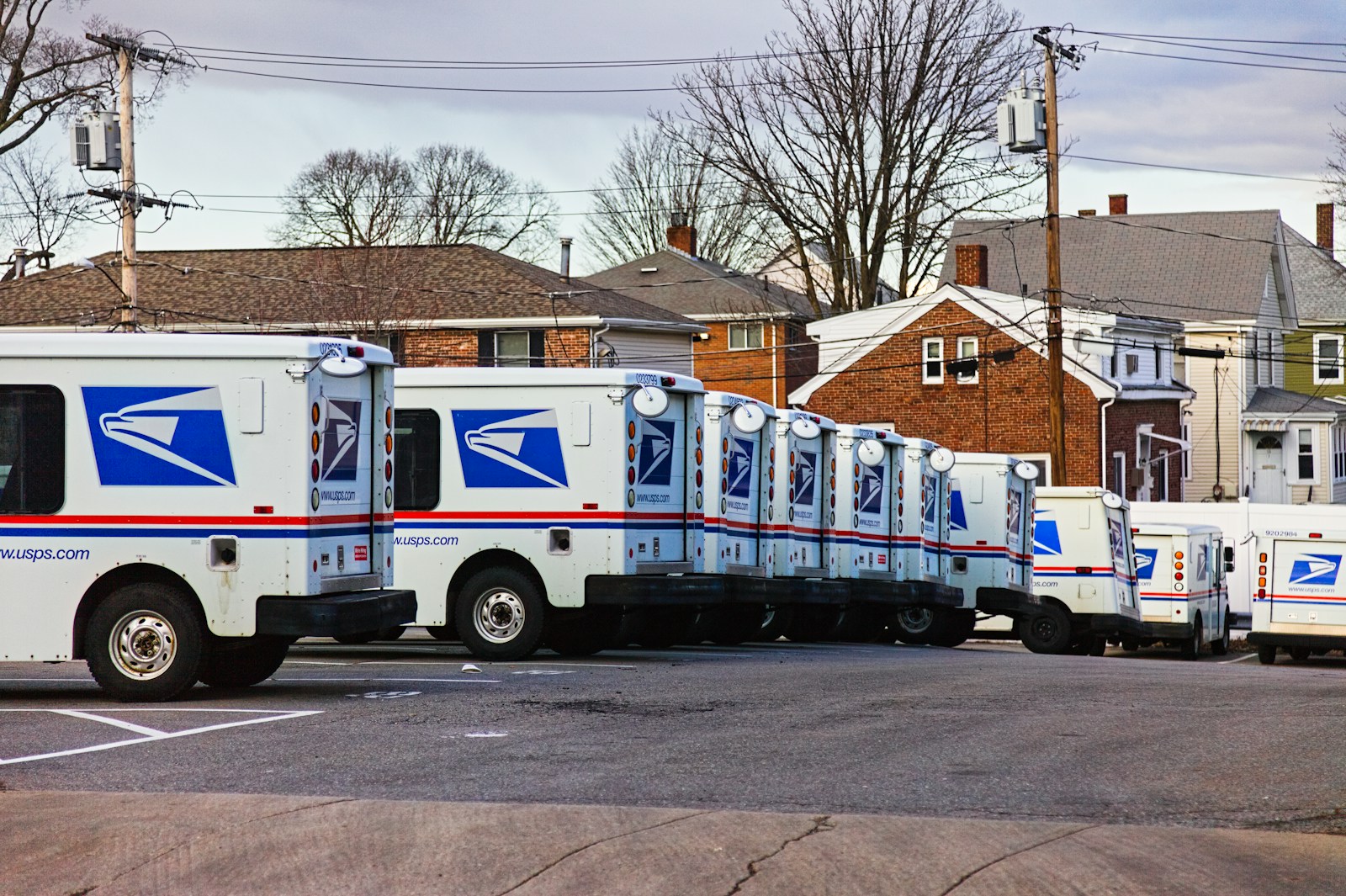
They’ll get a concise look at where delays are piling up, how procedural changes and staffing squeeze operations, and which recent developments — from weather impacts to operational overhauls — are driving the frustration. Stay tuned for practical details on how this affects pickups, deliveries, and your options when a package goes missing.
Mounting Complaints: Long Waits, Delayed Mail, and Package Pile-Ups
Customers report long lines at post offices, packages arriving days or weeks late, and undelivered items stacking at distribution centers. Local businesses and rural residents say these problems cut sales and access to critical items, while postal workers cite staffing and routing issues.
Customer Experiences with Delivery Delays
Many customers describe repeated missed delivery windows and tracking that shows “in transit” for days. People report groceries, prescription refills, and online orders arriving late or not at all, creating immediate inconvenience and sometimes health risks.
At retail counters, wait times often exceed 30 minutes during midday peaks. Call-center hold times and inconsistent online help frustrate customers who need prompt action on missing packages or refunds.
Some consumers use the USPS Missing Mail Search or file complaints online, but results vary. Frustration increases when packages show “delivered” with no proof, forcing customers to dispute claims with sellers or file insurance requests.
Impact on Small Businesses and Rural Communities
Small retailers rely on prompt deliveries for inventory turnover and customer satisfaction. Delays disrupt same-day fulfillment, reduce repeat purchases, and force extra costs for expedited shipping alternatives.
Rural communities face longer last-mile times and fewer delivery windows. Residents report missed medications and delayed government documents, where alternatives are limited and courier options are more expensive.
Business owners say return processing slows, tying up capital. Some have shifted to local pickup or third-party carriers, increasing overhead and complicating logistics for low-margin operations.
Challenges Facing Postal Workers
Postal workers point to staffing shortages, expanded delivery volumes, and route consolidation as primary stressors. They report heavier loads, longer routes, and compressed schedules that make on-time delivery harder.
Operational changes, like new sorting procedures or staffing reallocations, sometimes produce temporary bottlenecks. Workers also face customer pressure during long waits and delivery complaints, which raises fatigue and turnover.
The American Postal Workers Union has raised concerns about safety and workloads. Management and unions cite the need for hiring, route adjustments, and investment in sorting technology to reduce missing packages and chronic delays.
Why Is USPS Struggling? Inside the Causes and Ongoing Changes
The USPS faces overlapping operational, financial, and policy pressures that affect first-class mail, marketing mail, and package services. These pressures include modernization efforts, changes pushed by leadership, and persistent budget shortfalls that affect processing at postal facilities and delivery speed.
Modernization Plans and Service Standards
USPS launched multi-year modernization plans to update package processing equipment and centralize sorting, aiming to handle higher package volumes like Priority Mail Express and USPS Ground Advantage. Implementation moved toward automated sorting machines and revised service standards that shift some routes and processing to regional hubs.
Those changes can speed some shipments but have created transition risks — misrouted periodicals and delayed first-class mail appeared when local post offices adjusted to new workflows. Staffing gaps and training lags compounded the impact at several postal facilities.
Critics note the pace and communication of the rollout caused confusion for customers and carriers alike. Customers reported longer pickup windows and packages showing as “arrived at facility” for days, while local managers balanced new tech with routine delivery demands.
Operational Changes Under Louis DeJoy
Since Louis DeJoy became Postmaster General, he instituted operational shifts intended to cut costs and modernize logistics. He reduced overtime, restructured delivery and collection practices, and promoted network realignment that moved mail between fewer, larger processing centers.
These policies affected package processing and delivery rhythms; fewer local sort locations can mean longer transit for marketing mail and some first-class items. Reports and reporting showed scanning delays and timekeeping concerns in some facilities following the changes.
His tenure also sparked political scrutiny and public complaints about delayed mail and undelivered packages piling up. Independent outlets and investigative pieces documented localized slowdowns tied to the timing and scope of the operational changes.
Financial Strains and Cost-Cutting Initiatives
The USPS operates under tight financial constraints, including large legacy obligations for retiree health benefits and pension prepayments that increase real estate and operating pressures. Those obligations push management toward cost-cutting measures such as consolidating underused postal facilities and renegotiating route staffing.
Reducing facility footprints lowers real estate costs but can increase transit times for periodicals and parcel traffic handled by package services. Price adjustments for Priority Mail Express and other products try to offset revenue shortfalls, yet parcel competition and changing mail volumes limit that flexibility.
Lawmakers and analysts debate whether operational savings, pricing changes, or statutory reforms will resolve the structural funding issues. Meanwhile, customers and businesses continue to report slower deliveries and package backlogs as the agency balances finances with service demands.
More from Willow and Hearth:
Leave a Reply