You’ll notice registers sometimes stop mid-transaction — Walmart confirms employees can remotely pause self-checkout to stop suspected theft and pull a shopper aside for inspection. That means a frozen kiosk usually signals staff intervention, not a random glitch, and can lead to an immediate loss-prevention check.
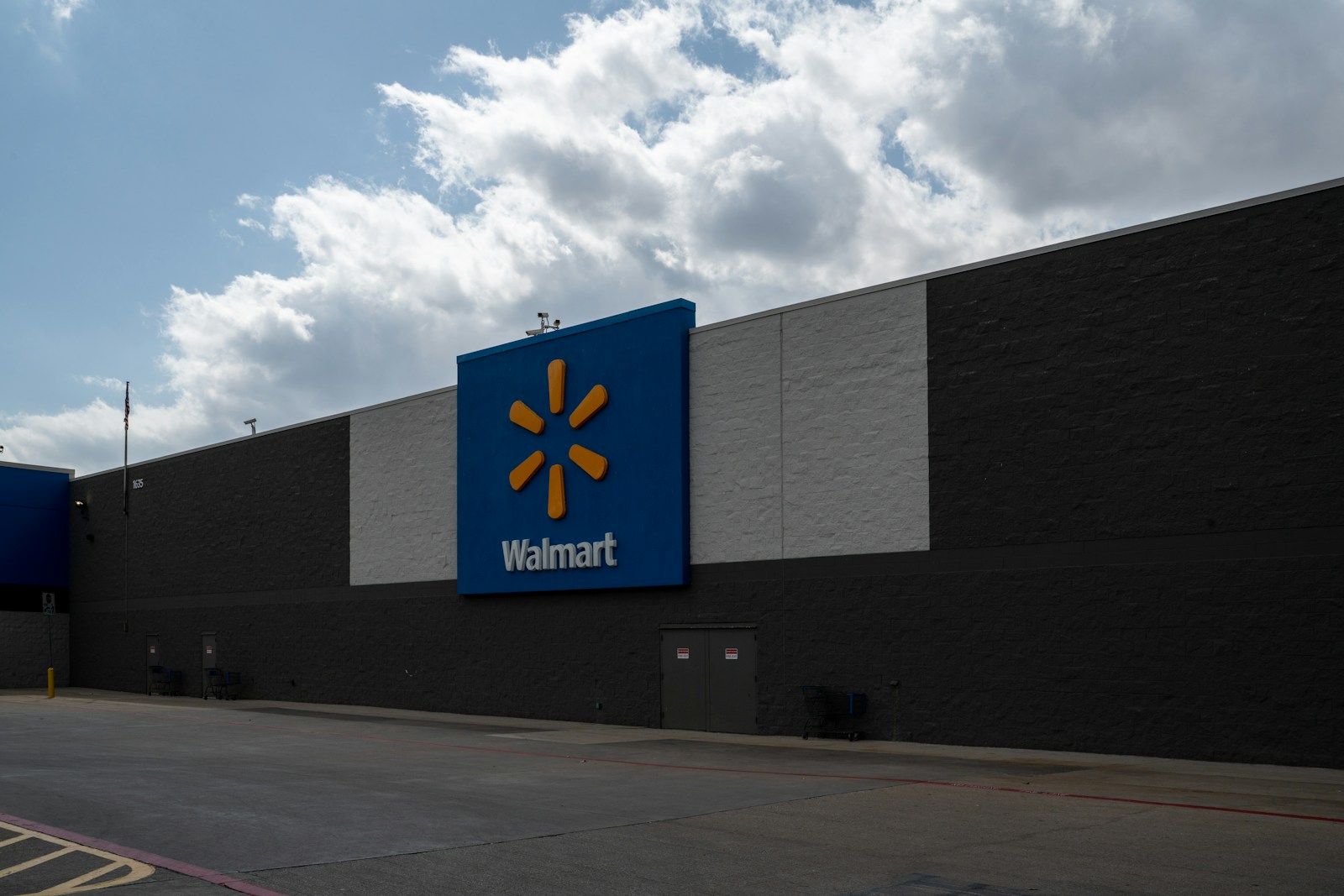
They’ll explain how the tech works, why stores use it, and what to expect if it happens to someone shopping. The coming sections will walk through the policy, real incidents that caused confusion, and practical tips for staying calm and resolving the situation quickly.
Understanding Walmart’s New Checkout “Freeze” Tactic
Walmart has begun remotely pausing self-checkout kiosks at stores to stop suspected theft and force shopper interaction with staff. The tactic relies on monitoring software, asset protection staff, and on-floor response to catch unscanned items or suspicious behavior.
How Self-Checkout Freezes Work
Walmart’s self-checkout systems can be paused remotely by associates monitoring transactions. When the software or an employee flags a transaction — for example, items bagged without scanning or mismatch between scanned items and weight sensors — the kiosk displays a paused state and prompts the customer to call for help.
Once paused, the register prevents completion of payment until staff arrive. That gives asset protection or floor employees time to review the cart, verify receipts, or check bags. The trigger mechanisms vary by store: some rely on camera feeds, others on scale mismatches or pattern-detection software that spots repeated barcode scans or suspicious item combinations.
Walmart’s Motivation to Combat Retail Theft
Walmart reports large losses from theft and shrink, which has prompted more aggressive anti-theft measures. Self-checkout theft rates tend to exceed staffed checkout losses because of opportunities to skip-scan items or reuse cheap barcodes.
Freezing kiosks directly addresses skip-scanning by interrupting the thief’s exit path and increasing the likelihood of recovery of merchandise. The measure also lets stores document incidents for police reports and to escalate repeat offenders. Walmart balances theft reduction with customer flow needs; stores with higher theft rates often roll out stricter monitoring and more frequent freezes.
The Role of Asset Protection Teams
Asset protection teams monitor live feeds, review flagged transactions, and respond when a kiosk freezes. They coordinate with floor associates and, when necessary, call local law enforcement to complete investigations or arrests.
These teams also set rules for when a freeze triggers and train staff on de-escalation and legal protocols. In many stores, asset protection maintains a central desk or office where suspected incidents get handled away from the public line. Their role combines technology oversight, evidence collection, and in-person intervention to minimize losses while trying to limit confrontation.
Impact on Everyday Shoppers
Shoppers may find a kiosk suddenly unresponsive and be asked to wait for assistance or go to an asset protection desk. That can cause delays, confusion, and occasional embarrassment for honest customers, especially when staff must check bags or verify receipts.
Walmart typically tries to limit disruption by staffing peak hours and directing customers to other registers when freezes happen frequently. Regular customers might notice more visible security measures, such as locked display cases or extra associates near self-checkout aisles. Clear signage and staff training can reduce confusion, but experiences vary by store based on theft levels and local enforcement practices.
Real-Life Incidents and Shopper Confusion
Walmart employees have used a remote “freeze” on self-checkout registers to stop unpaid items and guide suspected shoplifters to asset protection. One widely reported arrest highlights how the tactic looks in practice, while customers often react with surprise or frustration at paused kiosks.
William Monroe Houst Parks Case Overview
In Leesburg, Florida, staff froze a self-checkout as 53-year-old William Monroe Houst Parks tried to leave with $50.53 in unscanned merchandise. The arrest report says Parks scanned some items, put others in bags without scanning, paid for part of the purchase, and walked toward the grocery exit before employees intervened.
Loss-prevention staff led Parks to the Asset Protection office after freezing the register; officers later recovered the full $50.53 and charged him with retail theft with prior convictions noted. The arrest paperwork documents the freeze tactic but does not include corporate policy details or technical specifications. Read the local report for more on the incident: Leesburg arrest report.
Common Reactions from Customers
Shoppers often react with confusion when a kiosk suddenly locks. Some assume a software glitch, while others believe an employee flagged them unfairly.
Reactions range from polite compliance to visible frustration. A few customers ask staff for receipts or proof of scanning; others temporarily abandon purchases and seek a staffed checkout. Confusion increases when the freeze happens without clear in-store messaging, leaving shoppers unsure whether they triggered a loss-prevention alert or hit a technical fault.
How Employees Use Technology to Monitor Checkouts
Store teams monitor self-checkout activity from a control station that can pause individual kiosks remotely. Freezing a register forces customers to request staff assistance, giving employees a chance to verify scanned items and intervene if needed.
The tactic pairs live camera views or weight-sensor alerts with employee oversight. When anomalies appear—partial scans, mismatched bagging weights, or suspicious movement—loss-prevention can lock the terminal and direct the shopper to an Asset Protection area for verification. News coverage explains this operational detail and the logic behind pausing kiosks.
More from Willow and Hearth:
Leave a Reply