You’ll spot new ID checks at Walmart pickup lanes because the chain wants to stop growing theft and fraud tied to online orders. This means bringing a photo ID or the order confirmation has become a necessary step for collecting many online purchases.
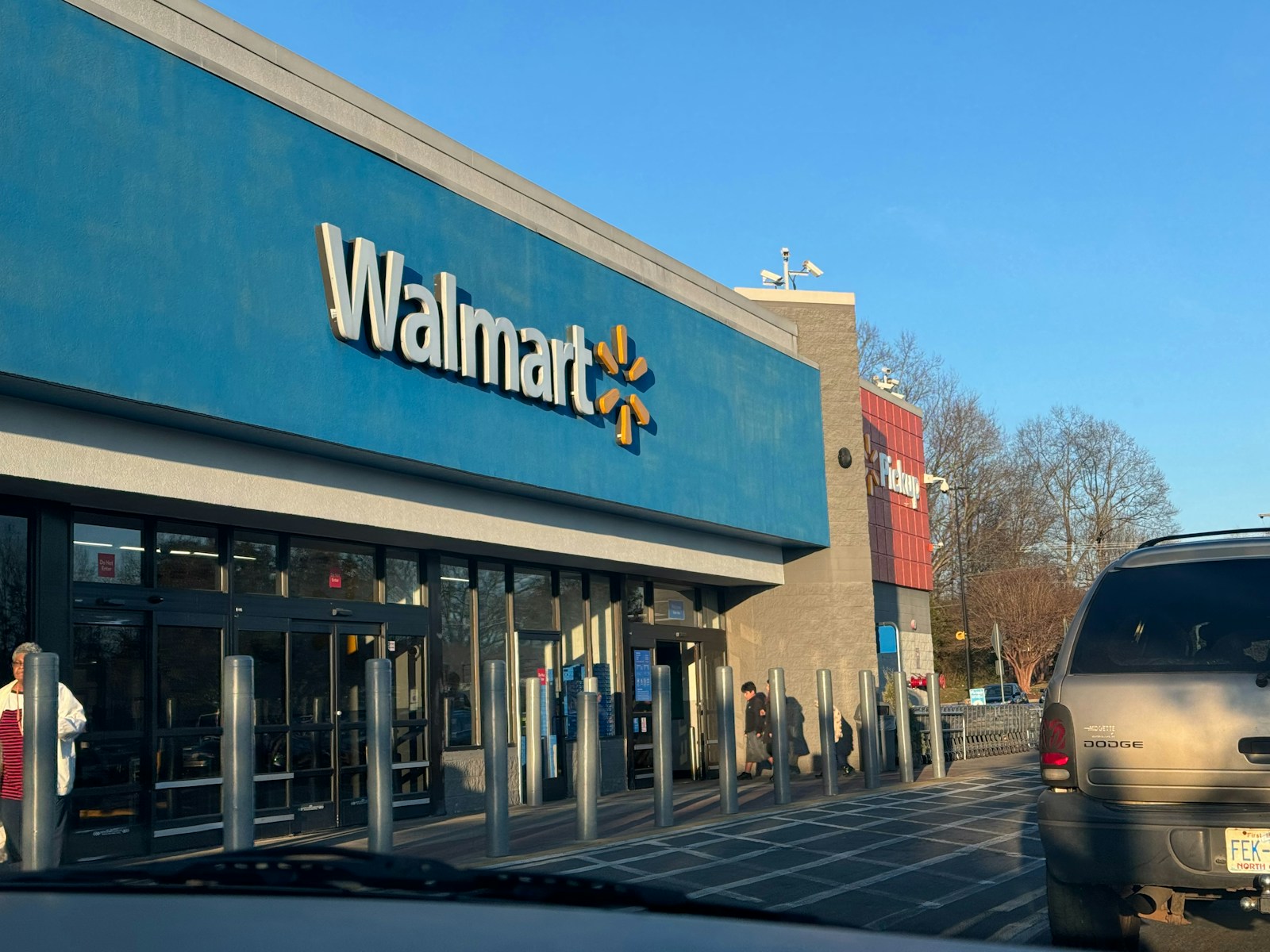
They made the change as retailers increase security responses, from frozen self-checkout tactics to AI surveillance and sticker systems aimed at deterring theft. Expect the article to explain how Walmart’s policy works, why it matters for everyday shoppers, and how it fits into broader retail security trends.
Walmart’s New ID Check Policy: How It Works And Why It Matters
Walmart now requires ID verification at some order pickup points to stop account misuse and in-person fraud. The checks aim to match the person collecting groceries or parcels to the order’s registered account and payment method.
Overview Of The ID Verification Process
When a customer arrives for curbside or in-store pickup, associates may ask for a government-issued photo ID that matches the name on the order. Employees scan or photograph the ID and compare it to the order details; some stores also request the credit card used or the order confirmation code.
Walmart has piloted in-person verification for Spark delivery drivers and extended similar practices to customers in certain markets. The process can include manual checks by staff or scanning tools integrated into the clerk’s terminal. Customers who decline verification can be denied release of the order until identity is confirmed.
Recent Cases And Real-World Examples
Several reports describe drivers and shoppers being asked to show ID before completing pickups. Business Insider covered Walmart asking Spark drivers to complete in-store identity checks after account-sharing and hacking incidents, with a one-time payment offered for compliance (https://www.businessinsider.com/walmart-spark-delivery-drivers-prove-identity-in-person-2025-3?op=1).
Other accounts on community forums detail curbside shoppers asked to scan IDs for alcohol deliveries or to prevent fraudulent pickup of high-value items. In some cases, stores documented incidents leading to shoplifting arrests when people attempted to collect orders under false names. Those enforcement actions underline the company’s intent to reduce theft and account fraud at the pickup interface.
Comparing Walmart’s Policy To Other Retailers
Many large retailers require ID for alcohol or age-restricted items; Walmart expands that practice to general order pickups and delivery verification. Unlike stores that limit checks to specific departments, Walmart’s approach targets the pickup workflow and third-party delivery accounts to close gaps exploited by thieves.
Retailers such as some grocery chains and pharmacy chains use point-of-sale ID scanning and employee training for verification. Walmart’s mixture of app-based facial checks, manual in-store ID scans, and spot in-person verification places it closer to chains that combine technology with human review to reduce shoplifting and fraud risk.
The Broader Retail Crackdown: Tech Solutions And Controversies
Retailers are turning to new surveillance, software, and point‑of‑sale controls that aim to stop organized rings and boost recovery on high‑loss categories. These measures target both in‑store tactics like grab‑and‑run and evolving scams at self‑checkout lanes.
Rise In Retail Theft And Shoplifting Tactics
Retail theft has shifted from opportunistic shoplifting to organized schemes that exploit weak points in store operations. Criminal rings now coordinate “flash” thefts, return‑fraud networks, and fraudulent third‑party pickup arrangements, which raise losses on electronics, baby formula, beauty products, and high‑value groceries.
Stores report more incidents tied to self‑checkout abuse and receipt swapping. Retailers cite weeks where repeat offenders return the same stolen goods for cash, or use false identities to pick up online orders, prompting chains to require additional verification like ID checks for pickups.
Loss‑prevention teams increasingly analyze CCTV and transaction logs to link suspicious behavior across stores. That data drives decisions about where to deploy staff, equip stores with locks or anchors, and when to escalate to law enforcement.
Self-Checkout Kiosks And Anti-Theft Technology
Self‑checkout kiosks offer speed and staffing efficiency but create vulnerabilities exploited by thieves. Customers can intentionally mis-scan items, hide barcodes, or use weight‑mismatch tactics to bypass payment, prompting retailers to add monitoring and software checks.
Stores combine machine learning that flags odd item combinations with human oversight at the exit. Some chains deploy attendants, weight‑verification algorithms, and AI that monitors video for concealed items. These tools reduce simple bypasses but add operational cost and slow checkout during busy periods.
Retailers also integrate receipt verification, mandatory bag checks, and limits on high‑loss SKUs at self‑checkout. Those policies reduce theft of items like razors and baby formula but generate friction that frustrates legitimate shoppers.
Invisible Barcodes And Advanced Security
Invisible barcodes and product‑level tagging aim to make theft harder without slowing every customer. Invisible ink or infrared tags embed product IDs that standard barcode scanners miss, enabling back‑end systems to match items to transactions or trigger alerts at exits.
RFID and EAS tags let stores track inventory and detect unpaid removal in real time. When combined with CCTV analytics and POS integration, these systems identify suspicious removals and produce time‑stamped evidence for loss prevention teams.
Privacy and legal concerns arise when facial recognition or persistent tracking gets used alongside invisible tags. Some retailers avoid biometric systems to limit regulatory risk, while others test AI detection that triggers store staff intervention rather than automated holds.
Impact On Shoppers And Customer Frustration
New anti‑theft measures change the shopping experience for regular customers. ID checks for order pickups, bag checks, and more frequent staff interactions increase perceived friction and can lengthen pickup times.
Shoppers express concerns about privacy, mistaken detentions, and inconsistent application of rules across stores. Retailers try to mitigate pushback by training staff to explain policies and by using noninvasive tech such as RFID read zones instead of stopping every customer.
Higher operational costs from anti‑theft tech can translate into staffing changes, slower lanes, or shifted store hours. Retailers balance reducing shrink with preserving convenience, and the tension shows in customer feedback and local regulatory scrutiny.
More from Willow and Hearth:
Leave a Reply