It was a normal Tuesday in the way Tuesdays like to pretend they’re harmless. Dinner dishes half-stacked, homework half-done, and me doing that familiar multitask ballet: listening while also searching for a missing permission slip. My daughter hovered near the kitchen doorway, the way kids do when they’re not sure if they’re allowed to take up space in a moment.
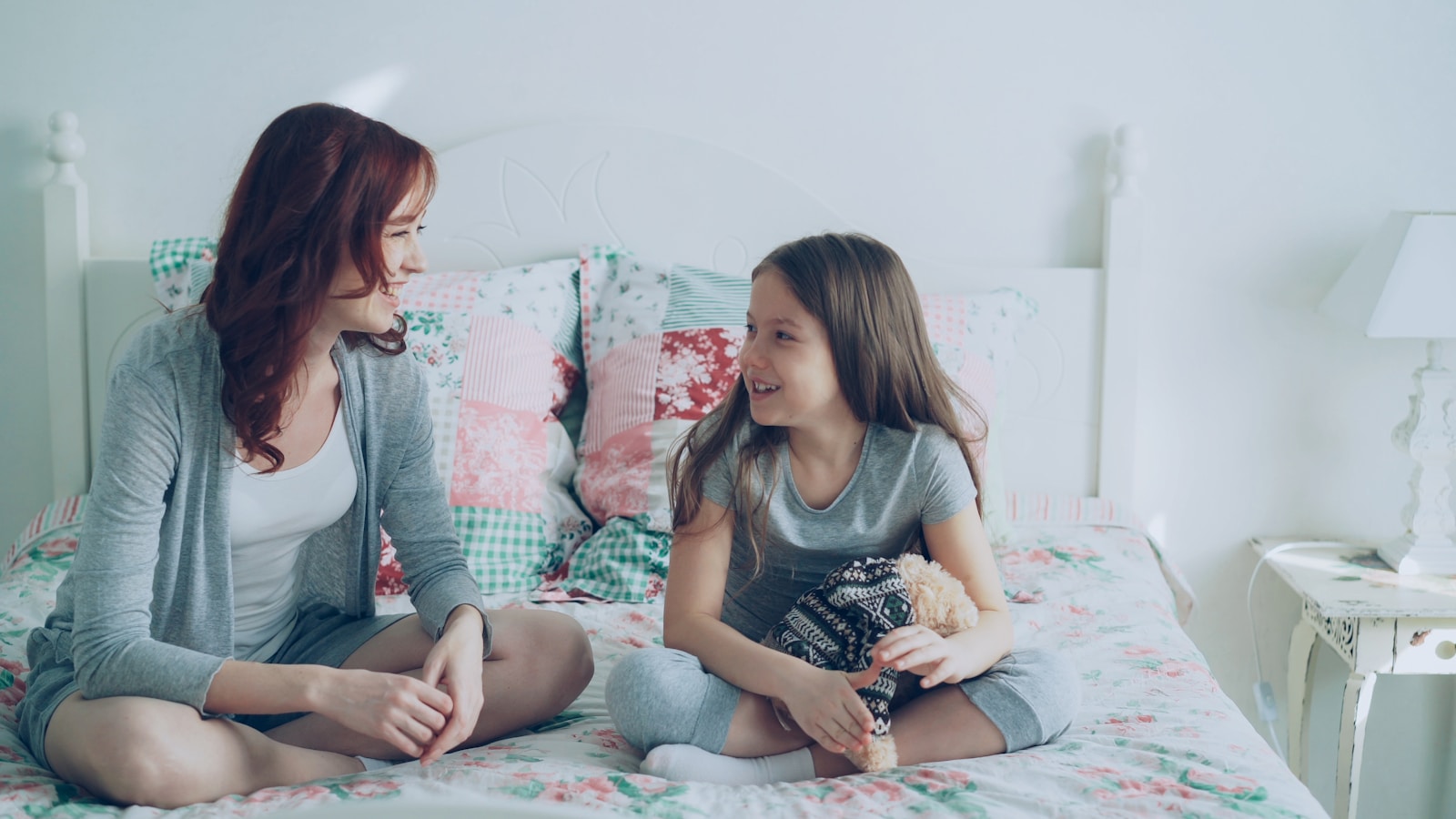
Then she said it, casually at first, like she was asking about a math problem. “Is love supposed to feel like walking on eggshells?” She didn’t sound dramatic. She sounded curious, which somehow made it hit harder.
A Question That Landed Like a Siren
I paused with my hand in the silverware drawer, because of course I did. Some questions are so heavy your body reacts before your brain catches up. My first impulse was to reassure her, to smooth it over with a quick “No, honey,” and a hug.
But the way she asked—quiet, careful—made me realize she wasn’t fishing for comfort. She was reporting data. Like she’d been running a little experiment in her head and needed an adult to confirm whether her results were normal.
What She Meant (And What I Heard)
I asked her where she’d heard that phrase. She shrugged and said, “I don’t know… it’s just how it feels sometimes. Like you have to be careful so nobody gets mad.” Her eyes stayed on the floor, as if the floor was safer than my face.
In my head, I heard a dozen things at once: school friendships, social media drama, maybe a crush, maybe something worse. But another possibility barged in—uninvited and loud. What if she wasn’t talking about other people? What if she was talking about us?
The Ordinary Habits That Start to Look Different
Once you’ve heard a question like that, you start replaying your life like a highlight reel you didn’t ask to watch. The “I’m fine” said through clenched teeth. The way tension changes the temperature in a room. The little flinch when someone’s footsteps sound too fast.
I thought about how often I narrate stress out loud. How often my partner and I “keep it together” in front of the kids while still radiating that tight, brittle energy that says: proceed with caution. We don’t yell much, but we do that other thing—being short, being snippy, being busy in a way that leaves everyone guessing what mood we’re in.
Eggshells Aren’t Always About Explosive Anger
That’s what surprised me most. “Walking on eggshells” isn’t only about someone slamming doors or shouting. Sometimes it’s about the unpredictability—never knowing what version of someone you’ll get, or whether the smallest mistake will trigger a cold silence that lasts all evening.
And if I’m honest, our house has had seasons of that. Not because we don’t love each other, but because we’ve been tired, stretched thin, and weirdly proud of how much we can carry without “making it a big thing.” Turns out, kids still feel the big thing.
The Moment I Realized Kids Learn Love Like a Language
We teach love the way we teach manners: not with a lecture, but with repetition. Kids learn what love feels like by absorbing the atmosphere. They learn what’s “normal” by watching how people repair after conflict—or whether they repair at all.
My daughter wasn’t asking for a definition of love. She was asking whether love is supposed to come with a constant sense of vigilance. Whether caring about someone means scanning the room for danger, managing their mood, shrinking yourself so you don’t make life harder.
What I Said Back (After I Stopped Internally Panicking)
I took a breath and told her the truth in a way she could hold. “No, love isn’t supposed to feel scary,” I said. “You shouldn’t have to tiptoe around someone to keep them calm. In a healthy relationship, you can be yourself and still be safe.”
Then I asked the brave question: “Do you ever feel like that here?” She didn’t immediately answer. Which, if you’ve ever parented, you know is basically an answer with dramatic lighting.
Her Answer Wasn’t a Verdict, It Was a Mirror
She said, “Not always. Just… sometimes when everyone’s stressed. Like I’m not sure if it’s a good time to talk.” There wasn’t blame in her voice. There was a kind of careful diplomacy that no kid should need at home.
That’s when it clicked: she wasn’t accusing us of being terrible. She was describing the emotional weather system we’ve accidentally created. And she’d adapted to it, like kids do—by becoming small and skilled at reading the room.
The Subtle Ways Parents Model Eggshell Love
It’s easy to imagine “eggshells” as a problem other families have. The families with obvious chaos. The families where everyone knows what’s going on because it’s loud.
But eggshell love can show up in quiet homes, too—when one person’s stress becomes everyone’s job. When apologies are rare because everyone’s “over it.” When conflict gets buried instead of resolved, and the house runs on unspoken rules: don’t bring that up, don’t upset them, don’t be too much.
What We Changed First (Because Grand Gestures Don’t Stick)
That night, my partner and I talked after bedtime, and we kept it simple. We weren’t trying to rewrite our entire marriage in one conversation. We just agreed on a few practical shifts we could actually maintain.
We started naming our moods out loud: “I’m stressed from work, and I’m going to be quieter tonight, but I’m not mad at anyone.” It felt a little corny, like we were characters in a gentle sitcom learning emotional literacy. It also worked immediately—because predictability is soothing.
Repair Became the New House Rule
We also made “repair” non-negotiable. If one of us snapped, we didn’t move on with a silent reset and call it fine. We circled back with a real apology: what happened, what we should’ve done instead, and reassurance that the kids weren’t responsible for our feelings.
Not a dramatic courtroom apology. Just a human one. The kind that tells a kid, “You don’t have to manage me; I’m managing me.”
The Question I’m Still Sitting With
My daughter’s eggshell question didn’t just make me worry about what she might tolerate someday. It made me wonder what I’ve tolerated and normalized myself. If I’m honest, I’ve worn “keeping the peace” like a badge, even when it meant ignoring my own needs or smoothing over tension instead of addressing it.
Kids don’t only inherit our strengths. They inherit our coping strategies. Sometimes they inherit our silence.
What I Hope She Learns Instead
I told her this, too: love should feel steady, not like a pop quiz. You should be able to bring up hard things without fearing punishment, withdrawal, or ridicule. People in healthy relationships can be upset and still be kind.
And maybe most importantly, love shouldn’t require you to disappear. If my daughter learns that here—through the way we talk, apologize, and try again—then her question won’t just be a warning sign. It’ll be the moment our family got a little braver about what love is supposed to feel like.
More from Willow and Hearth:
Leave a Reply