It starts off innocently enough: you’ve got plans, you’re heading out the door, and your husband says, “Okay, I’ll babysit. What time will you be home?” He might even say it with a smile, like he’s being extra supportive. But something about that wording lands wrong, because it is wrong.
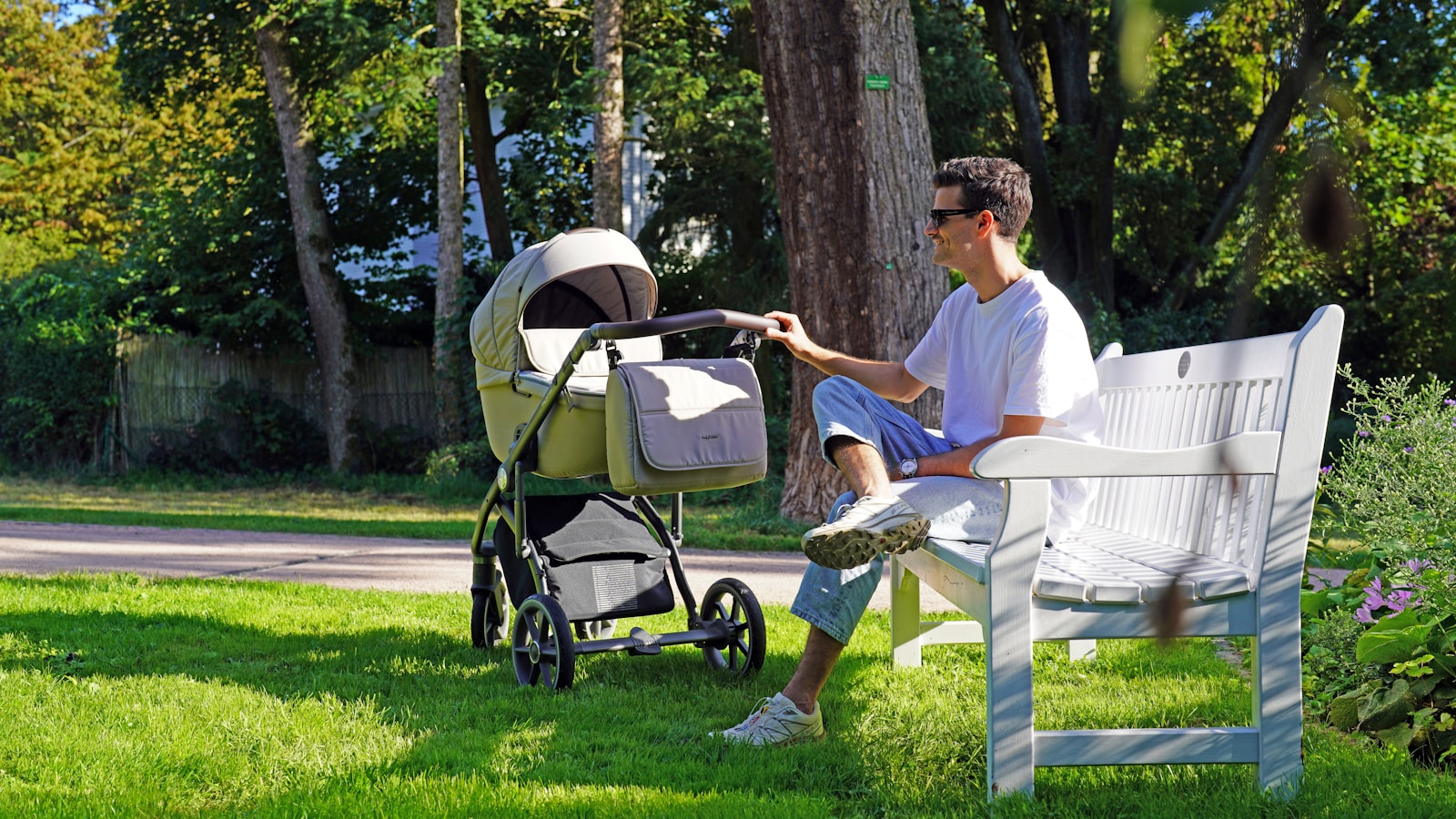
In homes everywhere, this tiny phrase has become a surprisingly big flashpoint. Not because anyone’s trying to nitpick language for sport, but because words reveal what people really believe is happening. And “babysitting” your own kids sounds an awful lot like parenting is your job… and he’s covering your shift.
The phrase that makes parents’ eyes twitch
“Babysitting” usually means you’re temporarily responsible for someone else’s children. You’re doing a favor, you’re filling in, and you probably expect a “thanks” at the end—maybe even cash. When a parent uses it to describe their own time with their kids, it accidentally frames their role as optional.
That’s why the follow-up question—“What time will you be home?”—can feel like a timer being set on your independence. Not a logistical check-in, but a subtle reminder that you’ve left someone “in charge” and should return promptly. It’s the parenting equivalent of, “I’m holding your bag, but don’t make it weird.”
Why it hits a nerve (even if he doesn’t mean it that way)
Many dads who say this aren’t trying to be dismissive. They’re repeating what they heard growing up, or they’re using shorthand for “I’ve got the kids.” But impact matters more than intent when you’re the one carrying the mental load—and the phrase can sound like he’s doing you a special kindness instead of doing his part.
For a lot of moms, the deeper frustration isn’t just the word. It’s the pattern behind it: the default-parent dynamic where one person manages the schedule, the snacks, the school messages, the doctor appointments, the birthday gifts, the missing shoes, and the emotional temperature of the entire house. In that setup, even a harmless phrase can feel like a spotlight on an unequal system.
The “what time will you be home?” question: logistics or leverage?
Sometimes the question is completely fair. If there’s soccer at 6, bedtime at 7:30, and a kid who melts down if the blue cup is dirty, then yes, timing matters. Parenting is basically project management with more bodily fluids.
But sometimes it’s asked in a way that feels less like planning and more like permission. Like he’s doing a short stint and needs you to relieve him. The difference is tone, frequency, and whether he asks the same question when you’re home and he’s leaving.
How this dynamic gets built in the first place
Families don’t usually sit down and vote on who becomes the default parent. It happens gradually: maternity leave, breastfeeding, a more flexible job, a kid who prefers one parent at bedtime, or one partner who’s “just better at it.” Over time, one person becomes the air-traffic controller, and the other becomes the backup pilot.
Then the backup pilot starts thinking they’re “helping” when they step in. And the air-traffic controller starts feeling like they can’t step out without filing paperwork. Nobody feels great, and yet everyone’s doing their best, which is what makes it so maddening.
What experts say the language reveals
Therapists and family researchers often point out that language is a clue to role expectations. When one parent refers to solo parenting as “babysitting,” it can suggest they see themselves as a secondary caregiver. Even if they love their kids deeply, they may not feel full ownership of the daily responsibilities.
And ownership is the real issue. It’s not about whether he can keep the kids alive for two hours—it’s whether he sees parenting as equally his job, even when nobody’s watching and nobody’s handing out gold stars.
A quick reality check: parenting isn’t a favor
Watching your own children isn’t a favor to your spouse. It’s not a shift you pick up. It’s just parenting, the same way doing your own laundry isn’t “helping” your partner with chores—it’s living in your house like an adult.
That doesn’t mean you can’t appreciate each other. Couples should absolutely say thank you, because gratitude keeps a home warm. But “thanks for parenting” hits differently when one person never gets thanked for the same thing because it’s assumed to be theirs.
What to say when it happens (without starting World War III)
If you want to address it calmly, a simple correction can go a long way: “It’s not babysitting—it’s parenting.” You can say it lightly, even with a little laugh, but still hold the line. Sometimes people genuinely don’t realize how the word lands until you point it out.
If the pattern is bigger, try naming the feeling and the need: “When you call it babysitting, it makes me feel like the kids are primarily my responsibility. I need us to talk about how we’re sharing parenting so it doesn’t feel like I’m asking for a favor when I leave the house.” Clear, not cruel.
Turning the moment into a real division-of-labor conversation
Language changes faster when the workload changes. That means getting specific about what “I’ve got the kids” actually includes: meals, baths, homework, pajamas, permission slips, locating the one stuffed animal that prevents bedtime tears. If he’s only covering the visible part, he’ll still feel like he’s doing extra.
Some couples find it helpful to “own” certain routines outright. Maybe he’s responsible for bedtime three nights a week, not as a favor, but as a standing role. When one parent fully owns a block of parenting (planning and execution), the babysitting mindset tends to fade.
Why this matters for kids, too
Kids notice who’s in charge, who remembers things, and who can handle the hard moments. When they see one parent treated like the default and the other as optional, they absorb that as normal. It shapes what they expect from relationships later—both as partners and as parents.
On the flip side, kids who see both parents competent and responsible gain a quiet kind of security. They learn that caregiving isn’t gendered, that adults share, and that love looks like showing up consistently. That’s a big win for something as small as a word choice.
The good news: most couples can fix this
This isn’t usually about a bad husband or an ungrateful wife. It’s about outdated scripts sneaking into modern life, plus the chaos of raising kids, plus the fact that nobody is at their best when they’re tired. The fact that it bothers you is a sign you’re paying attention to fairness, not that you’re “being dramatic.”
And if he’s willing to hear it—even awkwardly—you’ve got room to grow. Today it’s “babysitting.” Next month it might be him saying, “I’ve got bedtime, go take your time,” and meaning it like a teammate, not a martyr. That’s the kind of small shift that changes the whole weather in a house.
More from Willow and Hearth:
Leave a Reply