It started the way these things often do: with a random scroll and a little nostalgia. One minute we were looking for a picture of the dog as a puppy, and the next we were deep in a folder of old photos—vacations, weddings, birthdays, blurry selfies from that era when every photo had a strangely warm tint.
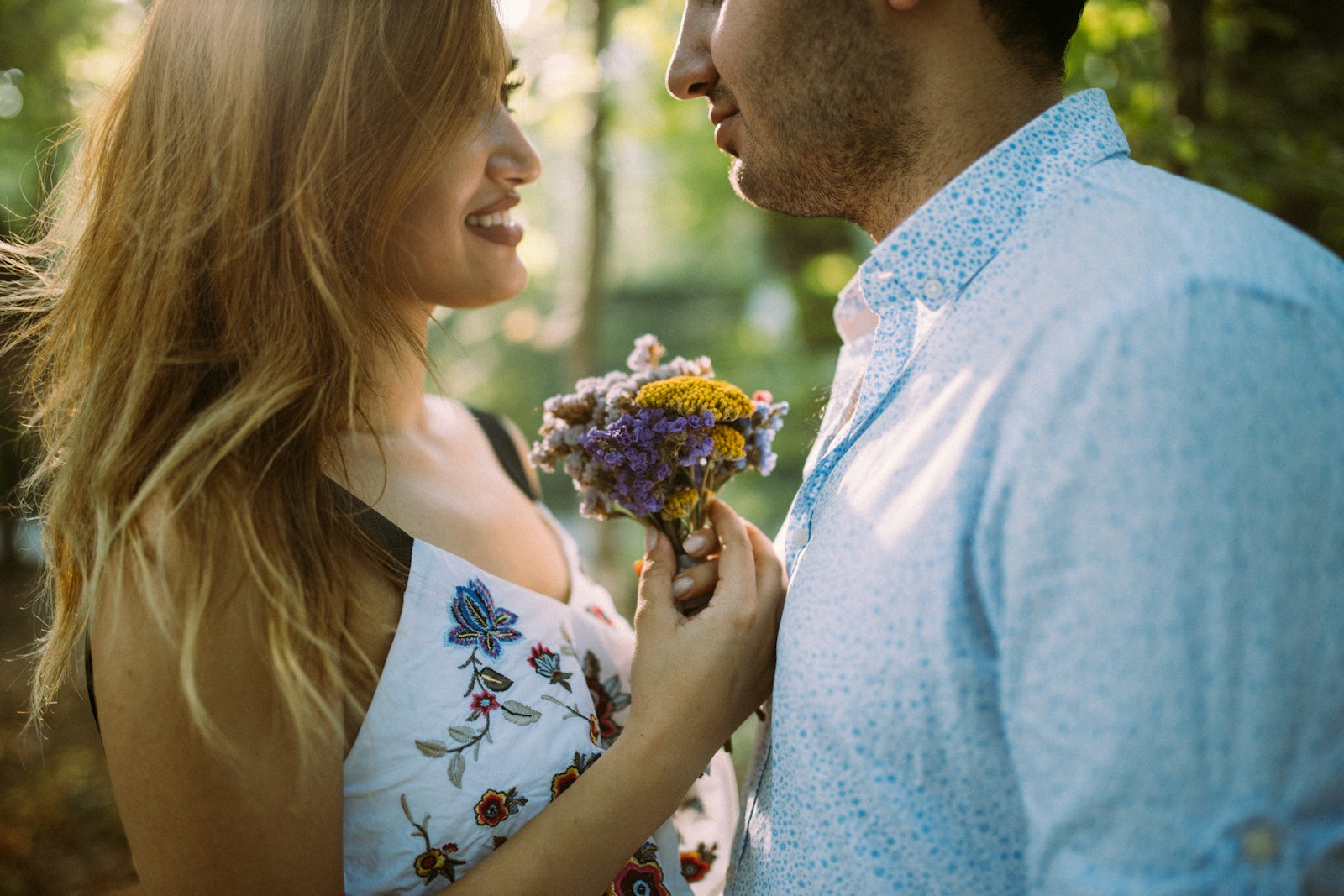
Then my husband paused on one from early in our marriage and said, almost casually, “We used to look happier.” He didn’t say it like an accusation, and he didn’t say it like a joke. He said it like he was noticing the weather.
A Comment That Lands Like a Brick in a Throw Pillow
I laughed at first, because laughing buys you time. “What do you mean?” I asked, trying to keep it light, like maybe he meant we were younger or less tired or had fewer bills with bold fonts. But my brain had already sprinted ahead, inventing a dozen interpretations and none of them were particularly fun.
Did he mean we were happier back then? Or did he mean we look happier in photos because we weren’t worried about whatever’s been quietly tugging at us lately—work stress, family stuff, the calendar that fills itself? I couldn’t tell if he was missing the past or bracing for a future he didn’t want to name.
Old Photos Are Not Neutral Evidence
There’s a special kind of trick nostalgia plays: it presents a highlight reel and calls it “the truth.” Photos, by design, are proof of the best moments—beach days, Christmas mornings, dinner dates where no one is captured rolling their eyes at the waiter. Nobody takes a picture of the silent car ride home after an argument about money.
Also, photos flatten life. They make a whole year look like four weekends of sunshine and perfect outfits. If you’re comparing your current Tuesday—laundry piles, emails, a low-level headache—to a curated set of happiest hits, you’ll lose every time.
What People Really Mean When They Say “We Used to Be Happier”
Sometimes that sentence is grief wearing casual clothes. It can mean, “I miss feeling carefree,” or “I miss feeling close,” or “I’m scared we’re drifting and I don’t know how to say it.” It can even mean, “I don’t recognize myself lately,” which is a very different problem than “I don’t love you.”
And sometimes it’s about energy, not love. Early relationships are fueled by novelty and adrenaline—you’re building something new, and everything feels like an event. Later, life gets practical, and it’s easy to forget that stability can look boring even when it’s actually safe and good.
The Subtext: Is This About “Then,” or Is It About “Now”?
I kept circling the same question: was he longing for the past, or was he worried about the present? If he meant “then,” it could imply regret—like we made a wrong turn somewhere and have been pretending not to notice. If he meant “now,” it could be fear—like he senses the pressure on us and doesn’t know whether we can carry it.
The hardest part was that I could feel my own defensiveness bubbling up. My mind wanted to argue: “Of course we looked happier, we were sleeping eight hours and had cute problems!” But defensiveness is usually a sign you’re scared too, just wearing armor.
What’s Happening to Couples Right Now Isn’t Just Personal
It’s worth saying out loud: a lot of couples are tired. Work has gotten louder, not quieter, and “home” often doubles as the place where you manage everything—house, family, schedules, aging parents, finances, health, group chats you didn’t ask to be in. Even when you love each other, the bandwidth can disappear.
And when bandwidth goes, connection gets weird. You can still function as a team—paying bills, planning meals, keeping the world from collapsing—while feeling like you’re not quite reaching each other. From the outside, it looks like a healthy marriage; from the inside, it can feel like roommates who share a calendar.
The Danger of Taking the Sentence Literally
If you take “we used to look happier” as a literal verdict, you’ll end up litigating the past. You’ll start pulling up evidence: “Remember that trip? We fought the whole time.” “Remember that year? We were broke.” It turns into a debate about who’s right, which conveniently avoids the scarier question: what do we need now?
The sentence isn’t data, it’s a door. The more important story is why he said it at that moment. Was he feeling disconnected? Anxious? Lonely? Burned out? Sometimes people point at an old photo because it’s safer than pointing at their own heart.
How the Conversation Can Go Without Turning Into a Trial
If you’re in this situation, you don’t need a perfect script—you need a gentle follow-up. Something like, “When you say that, do you mean you miss us, or you feel worried?” gives him a chance to clarify without feeling attacked. It also signals that you’re not ignoring the moment just because it’s uncomfortable.
And if he shrugs or says, “I don’t know,” that’s still an answer. “I don’t know” often means, “I have a feeling and I don’t have language for it yet.” That’s when curiosity helps more than cross-examination.
Small Clues That It’s About Stress, Not Love
There are patterns that can make the comment less ominous. If you’ve both been stretched thin, snapping more, sleeping less, spending more time on screens, or constantly “catching up,” it’s likely he’s reacting to exhaustion. In that case, “we used to look happier” might really mean, “I miss when life didn’t feel like a treadmill.”
Also, look at what he did next. Did he keep scrolling quietly, like he regretted saying it? Did he reach for your hand? Did he change the subject quickly? Those small behaviors can reveal whether he was confessing something tender or launching a complaint.
When It Might Signal Something Deeper
On the other hand, if the comment comes with persistent distance—less affection, fewer conversations, more criticism, a sense that everything is transactional—it could be a sign there’s more under the surface. Not necessarily a dramatic betrayal, but maybe unresolved resentment or a long-running mismatch in expectations. That’s when it’s less about photos and more about the relationship’s day-to-day emotional temperature.
If you feel a pit in your stomach that doesn’t go away, trust that signal. You don’t have to panic, but you also don’t have to pretend it’s nothing. A calm check-in now is easier than a crisis talk later.
What “Happier” Might Actually Look Like in 2026
Here’s the twist nobody loves: happier now won’t look like happier then. You’re not going to recreate the exact sparkle of early days, because you’re different people with different pressures. But you can build a new version—one that’s less about spontaneity and more about steadiness, inside jokes, and choosing each other on purpose.
Sometimes that starts with unromantic changes that work surprisingly well: a weekly walk without phones, one night a week that isn’t errands, ten minutes after dinner to talk like humans instead of co-managers. It’s not glamorous, but neither is brushing your teeth, and that still matters.
The Photo Isn’t the Problem—It’s the Prompt
By the end of the night, I realized the comment wasn’t really about our faces in that old picture. It was about the question behind it: are we okay, and if not, can we admit it without blaming each other? That’s a tender question, even when it comes out clumsy.
Maybe he meant then. Maybe he’s afraid of now. Or maybe he was simply hoping—quietly, imperfectly—that we could find our way back to each other without having to lose anything first.
More from Willow and Hearth:
Leave a Reply