It wasn’t a screaming match or a dramatic slammed door. It was a sentence said quietly, almost politely, like he was trying not to make a mess: “I feel like a guest in my own house.” The kind of line that lands with a dull thud and then keeps echoing in your head while you load the dishwasher or fold towels.
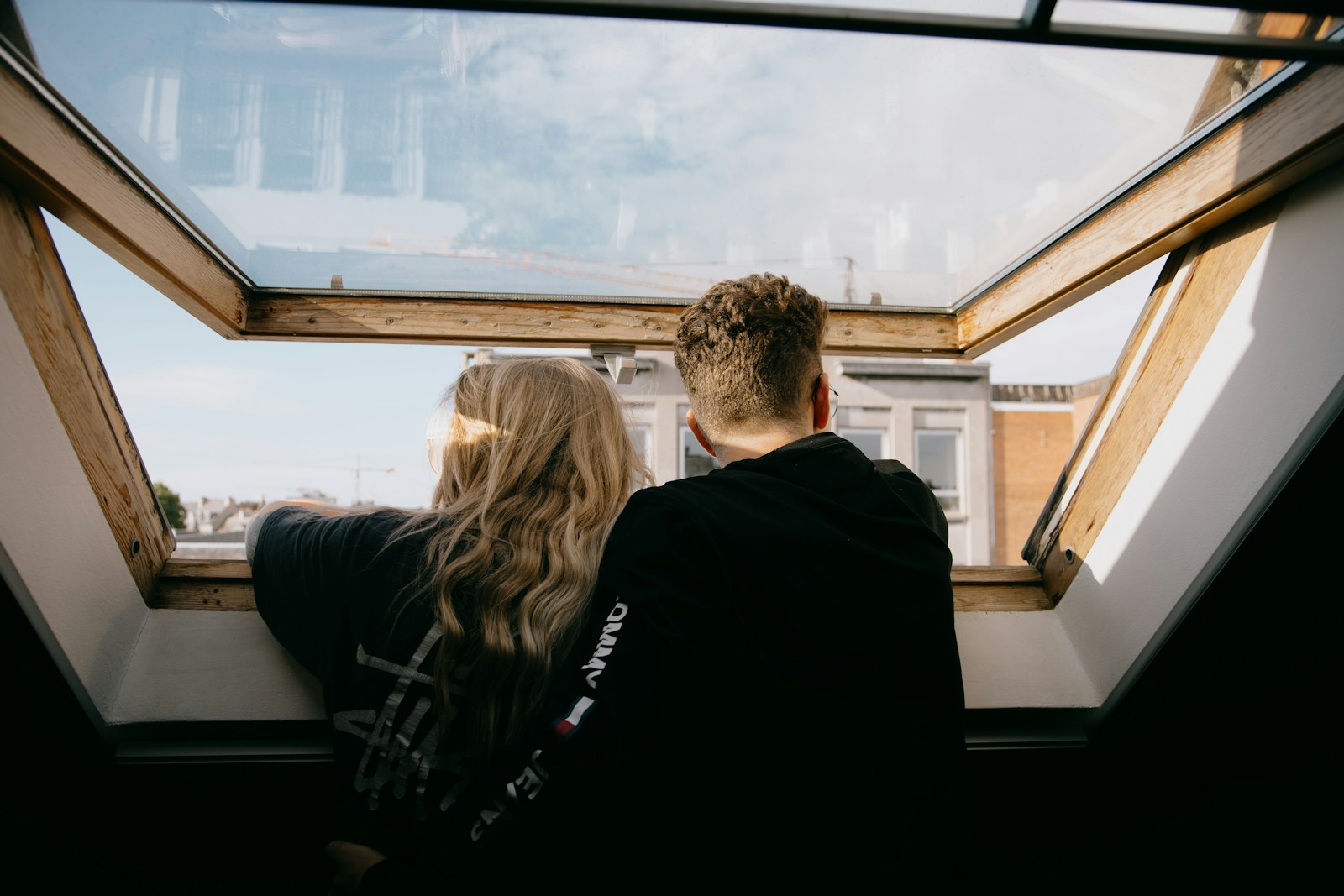
For couples who share a home, this feeling is more common than anyone wants to admit. It’s also confusing, because it can show up in the middle of a life that looks perfectly fine from the outside. Mortgage paid, kids fed, calendar full, photos on the walls—so why does it suddenly feel like the house has invisible borders?
The strange moment a home turns into “your space” and “my space”
Most couples don’t decide to split a home into territories. It happens slowly, like the way a kitchen drawer becomes the “good scissors drawer” and nobody remembers when that rule was made. One person starts managing the schedule, the repairs, the kids’ stuff, the groceries, the social plans—and without meaning to, they become the home’s default “operator.”
The other person might still help, but it can start to feel like helping in someone else’s system. If every decision has already been made—what towels you buy, where the keys go, which pan is “the good one”—you can live in the same house and still feel like you’re renting emotional space.
How this story usually begins (hint: it’s not about throw pillows)
When someone says they feel like a guest, it rarely means they dislike the decor. It’s usually about agency—the ability to influence the environment without needing permission. Guests ask, “Is it okay if I…?” Residents say, “I’m doing this.”
Sometimes the “guest” feeling shows up when one partner has been absent in practical ways—long work hours, travel, a rough mental health season—and the other partner stepped in to keep everything afloat. The home runs, the family runs, and the system gets efficient. And efficient systems, while impressive, don’t always leave room for two captains.
The invisible job titles nobody agreed on
One of the sneakiest drivers of household division is the quiet assignment of roles. “I’m the one who knows where everything is.” “I’m the one who handles school emails.” “I’m the one who calls the plumber.” They’re not bad roles, but they can calcify into ownership: my domain, my way, my standards.
Then you get the classic loop: one partner takes over because it’s faster, the other steps back because it’s easier, and both end up resentful. The manager feels unsupported; the assistant feels unnecessary. Nobody’s trying to hurt anyone, but the house starts to feel like a workplace with a weird org chart.
Small signs a couple’s home is quietly splitting in two
It’s often the tiny moments that reveal the divide. One person hesitates before inviting friends over because they’re not sure it’s “allowed.” Someone rearranges a cabinet and the other feels oddly scolded, even if no words are said.
There’s also the language shift: “your” living room, “my” bathroom, “your” mess, “my” stuff. Couples might laugh about it, but those little pronouns can be warning lights. If the house starts sounding like a shared apartment with strict roommates, it’s worth paying attention.
When “I feel like a guest” is really a request
Underneath that sentence is usually a longing for belonging. Not just a key to the front door, but the feeling of being considered in decisions and welcomed into the daily rhythm. It’s a request to matter in the mundane—because the mundane is most of married life.
It can also be a request for warmth. Guests get politeness, but they don’t always get intimacy. If a partner feels like they’re tiptoeing around moods, rules, or routines, they may be saying: “I miss us. I miss being safe here.”
Why the partner who “runs the house” often doesn’t see it
If you’re the person who’s been keeping the household engine running, the comment can feel unfair. You might think, “How can you feel like a guest when I’m the one doing everything?” That reaction makes sense, and it’s also exactly why this dynamic can last for years.
Being the default manager doesn’t always feel like power. It can feel like pressure, like you’re holding a dozen spinning plates and nobody notices until one wobbles. When you’re exhausted, it’s easy to clamp down on control because control feels like the only thing preventing chaos.
How couples start stitching the house back together
The quickest way to lower the temperature is to get curious instead of defensive. “When do you feel most like a guest?” is a better question than “What do you mean by that?” The first invites a story; the second invites a debate.
From there, couples often do best with specific, concrete changes rather than big emotional declarations. Choose a few household decisions that will become genuinely shared—furniture changes, weekend plans, how the entryway works, even the stupid junk drawer. The point isn’t perfect fairness; it’s shared authorship.
Making space for two styles, two standards, two people
A common sticking point is “the right way” to do things. One partner loads the dishwasher like it’s a geometry proof; the other treats it like abstract art. If only one method is accepted, the other person eventually stops trying, and then—surprise—they don’t feel like they live there.
Some couples solve this by dividing zones with real autonomy, not fake autonomy. Not “You can handle the garage as long as it looks like mine,” but “This is your domain, and I won’t micromanage it.” A home can hold different styles without turning into a battleground, as long as both people feel respected.
The emotional equivalent of putting someone’s name on the mailbox
Belonging isn’t just chores and decision-making. It’s also the daily signals: saving them the last cookie, keeping their favorite mug where they can reach it, asking their opinion before making a plan that affects them. Tiny rituals say, “This is yours too,” in a way no lecture ever will.
And yes, sometimes it’s literally about space. A chair that’s always “theirs,” a shelf that doesn’t get reorganized, a corner where their hobbies can exist without being shoved into a closet like contraband. People relax when they’re not constantly proving they’re allowed to be there.
When it’s not just logistics, and you might need backup
Sometimes “guest energy” is a symptom of something deeper: unresolved conflict, chronic criticism, avoidance, or a long season of disconnection. If every attempt to discuss it turns into a fight, or one person shuts down, it may help to bring in a couples therapist—not because the marriage is failing, but because the communication system is.
A neutral third party can help translate what’s really being said. “I feel like a guest” might mean “I feel unwanted,” or “I don’t know where I fit,” or “I’m scared we’re drifting.” Those are big feelings, and they deserve more than a rushed conversation between soccer practice and bedtime.
Still, for many couples, the first step is surprisingly simple: treating the house like a shared project again, not a managed property. A home is made of rooms and routines, sure, but it’s also made of permissions—spoken and unspoken. When both partners can move through it without bracing themselves, that’s usually when it starts feeling like home again.
More from Willow and Hearth:
Leave a Reply