When a parent dies and the relationship was never simple, the funeral can feel less like a farewell and more like a trap. Maybe there is a recent COVID exposure and a houseful of vulnerable people at home. Maybe rent is due in four days and a last-minute cross-country flight costs more than a paycheck. Maybe walking into that room means standing next to relatives whose cruelty shaped an entire childhood. For a growing number of grieving adult children, the question is no longer whether they should attend a parent’s funeral but whether they safely can.
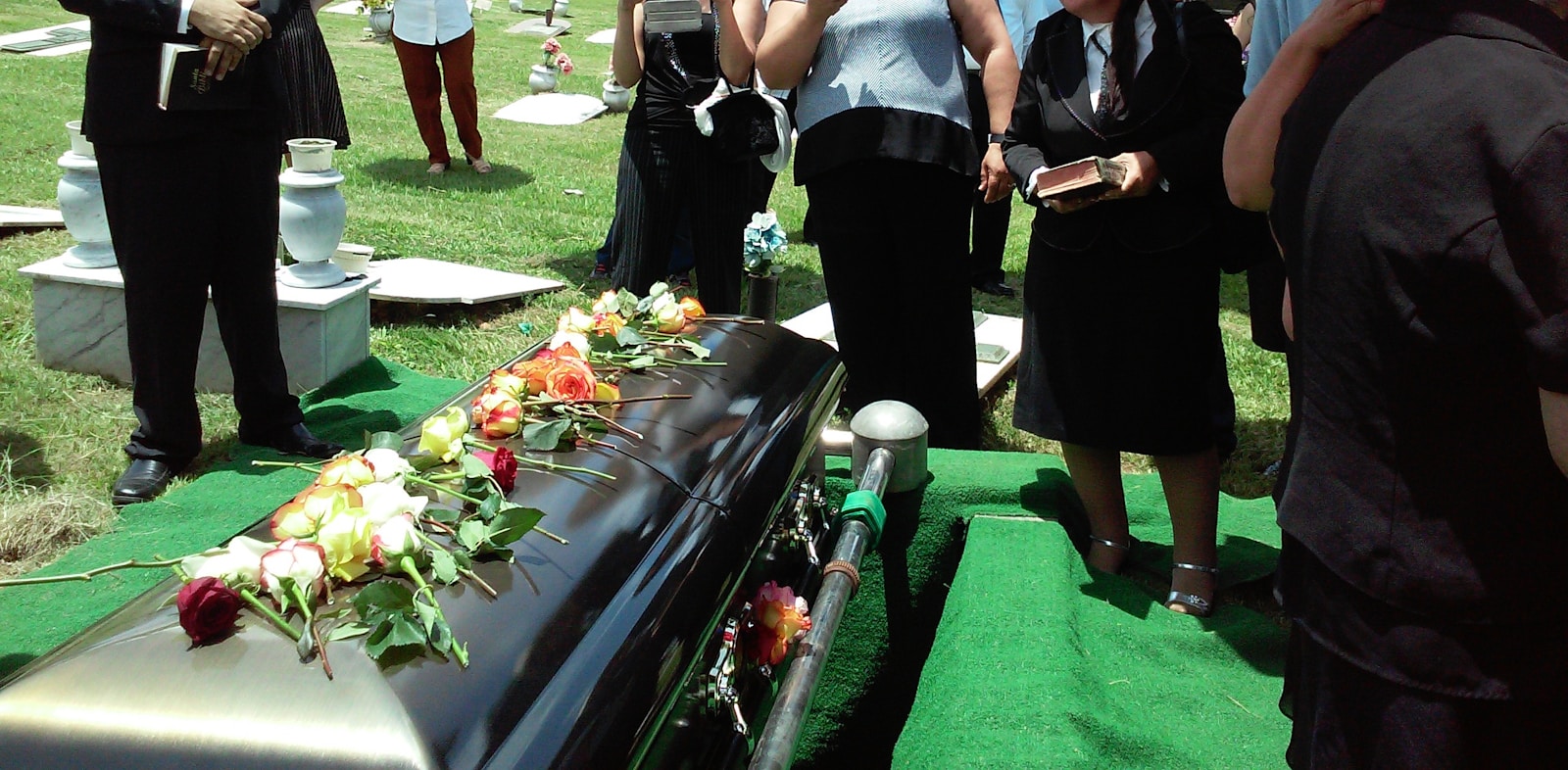
The pressure to show up graveside remains powerful. But health risks, financial strain, and unresolved trauma have forced many families to rethink what a “good” goodbye actually looks like.
When illness and money make attendance dangerous
During the first year of the pandemic, strict hospital and travel restrictions kept thousands of mourners from funerals. In one widely reported case covered by CNN, a daughter watched her mother’s service through FaceTime, sobbing into a phone screen because COVID protocols made in-person attendance impossible. That image became a symbol of pandemic-era grief, and the dilemma it captured has not fully disappeared. As of early 2026, COVID still circulates seasonally, and someone with a recent exposure who lives with immunocompromised family members faces a real public-health calculation before entering a crowded funeral home.
Then there is cost. According to the National Funeral Directors Association, the median cost of a funeral with a viewing and burial reached roughly $8,300 in its most recent pricing survey. That figure does not include travel. For renters living paycheck to paycheck, missing several days of work and booking a last-minute flight can mean falling behind on housing. The federal government’s FEMA COVID-19 Funeral Assistance program reimbursed eligible families up to $9,000 per funeral for deaths linked to the virus, but the program is no longer accepting new applications. For an adult child choosing between rent and a plane ticket, the insistence that skipping a funeral is always a moral failure ignores the basic math of survival.
When “family drama” is actually a history of harm
Behind the polite phrase “family drama” often sits a history of abuse, manipulation, or estrangement that makes funerals feel dangerous rather than healing. Therapists who specialize in family estrangement say the dynamic is more common than most people assume. A 2020 survey by Cornell sociologist Karl Pillemer, published in his book Fault Lines: Fractured Families and How to Mend Them, found that about 27 percent of American adults are estranged from a close family member.
For those adults, a parent’s funeral can become a stage where years of harm are publicly erased. In a Denver Post advice column from 2005, a woman described a lifetime of hostility from relatives and asked whether she was obligated to attend her mother’s service. The columnist’s answer was direct: do what is right for yourself and your daughter, and do not expose either of you to further demonstrations of hostility. Two decades later, that advice still resonates. In the r/EstrangedAdultKids community on Reddit, users regularly describe weighing whether relatives who were cruel to them deserve their presence at the graveside, and whether showing up would reopen wounds that took years of therapy to close.
Joshua Coleman, a psychologist and author of Rules of Estrangement, has written that estranged adult children often face intense social shaming around funerals. “People assume that if you don’t go, you’ll regret it forever,” Coleman told The Atlantic. “But for some people, attending would mean re-entering a system that harmed them, and that is not healing.”
Is skipping a parent’s funeral actually wrong?
Etiquette guides and grief counselors generally start from the position that funerals matter. They provide structure for grief, a chance to say goodbye, and a communal acknowledgment of loss. But most credible sources also recognize that attendance is not always possible or healthy.
A guide from Tippecanoe Memory Gardens lists valid reasons for missing a service, including emotional overwhelm, geographic distance, and family conflict, and encourages people who stay home to find other ways to honor the deceased. The grief resource site Ashes With Art puts it more bluntly: it would only be wrong not to go if someone else is relying on you to be there, and even then, clear communication can make absence acceptable.
The more honest question for anyone in crisis may not be “Am I a bad person if I skip?” but rather: Who would be harmed if I went? And what other forms of goodbye are available if I don’t?
Alternatives when you cannot be there
For those who decide not to attend, or who are prevented by illness or finances, grief specialists stress that mourning still needs a container. Funeral home counselors at Vittert, Sterm & Anderson suggest concrete options: attending a later memorial, writing a letter to be read at the service, or creating a personal remembrance ritual at home. Other families hold separate gatherings weeks or months later, such as tree plantings or small dinners, that can feel more intimate and less fraught than a formal funeral.
Technology has also changed what participation looks like. The daughter who watched her mother’s service over FaceTime in 2020 was an early, painful example, but livestreamed funerals have since become standard. A 2023 survey by the National Funeral Directors Association found that nearly 40 percent of funeral homes now offer some form of remote viewing. For estranged or distant family members, a livestream can provide closure without requiring physical proximity to people who feel unsafe.
Grief counselors at Billow Funeral Homes emphasize one point above all: do not grieve alone. Whether that means joining a bereavement support group, scheduling regular calls with a trusted friend, or starting therapy, the absence of a funeral does not have to mean the absence of support.
Who gets to judge a “good” goodbye?
Social media has amplified public judgment around funeral attendance. In one viral Reddit thread covered by People magazine, a woman described feeling devastated when her best friend skipped her mother’s funeral for what she considered a selfish reason. In another case also reported by People, a woman refused to attend her mother’s funeral after discovering that her mother and brother had secretly kept most of the proceeds from a refinanced house she had helped pay for. Commenters split sharply in both cases, illustrating how quickly the label “selfish” gets applied to anyone who breaks the expected script, even when the backstory involves genuine betrayal.
The cultural expectation that a “good” child stands graveside no matter what is deeply rooted, and for many people, attending a parent’s funeral is meaningful and right. But grief is not one-size-fits-all. Health crises, poverty, and family trauma are not excuses. They are circumstances. And for the people navigating them, honoring a parent sometimes means finding a form of goodbye that does not require self-destruction to carry out.
Leave a Reply