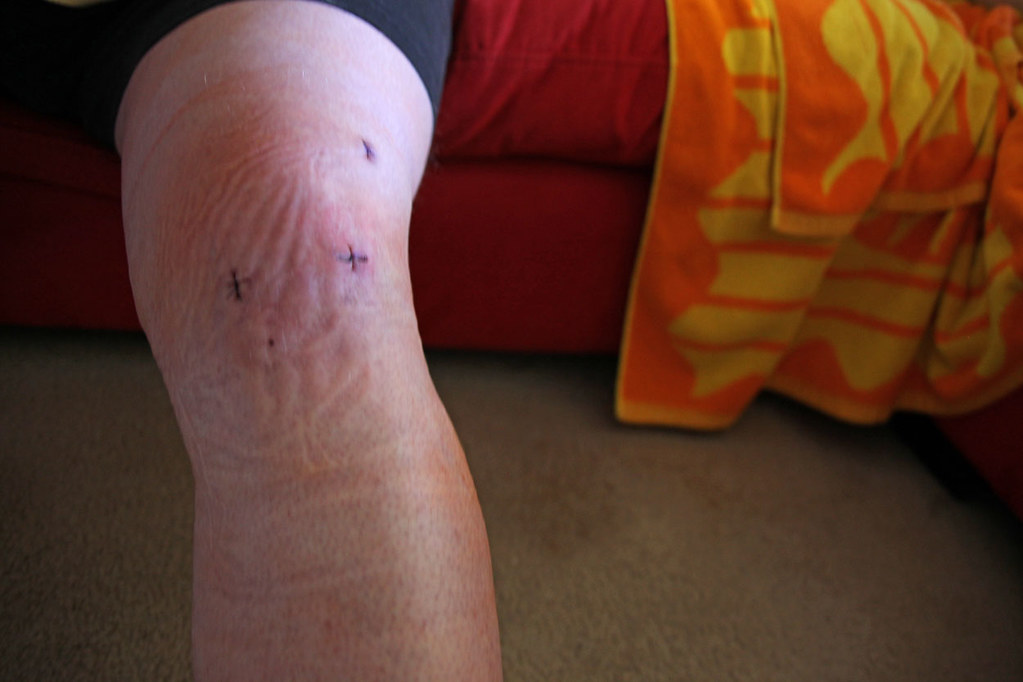
A man agreed to leave his home state and relocate to California so his fiancée’s father could have two knee surgeries with family nearby. He expected to help with rides, errands, and moral support. What he did not expect was the next part of the plan: all three adults would share his fiancée’s small apartment immediately after the wedding, with no clear end date. His post on Reddit’s AITAH forum drew thousands of responses and put a sharp point on a question many newlyweds face quietly: when a parent needs hands-on care, how much of your new marriage are you obligated to hand over?
A Long-Distance Couple’s First Home Was Never Supposed to Be a Recovery Ward
The couple had been long-distance before the engagement. Moving in together for the first time is already a significant adjustment; research published in the Journal of Marriage and Family has consistently shown that the first year of cohabitation is when couples establish conflict patterns that predict long-term satisfaction. Commenters on the original thread seized on this point. Several noted that the groom had already demonstrated flexibility by agreeing to relocate on his fiancée’s timeline and around her father’s surgical schedule. His objection was not to caregiving itself but to an open-ended living arrangement that would eliminate the couple’s privacy during the period when they most needed to learn how to function as a household of two.
That distinction matters. Refusing to help a sick parent is one thing. Asking for a defined plan, a timeline, and a living space that doesn’t force three adults into quarters designed for one or two is something else entirely. The groom’s position, as described in his post, was that he wanted to support his father-in-law’s recovery without surrendering the couple’s ability to build a foundation for their marriage.
What Knee Surgery Recovery Actually Requires
Much of the debate hinges on how long a knee replacement patient truly needs someone at home. According to the American Academy of Orthopaedic Surgeons (AAOS), most patients after total knee replacement need help with daily activities for several weeks, but the most intensive assistance window is typically the first one to two weeks post-surgery, when pain management, wound care, and fall prevention are critical. After that, structured outpatient physical therapy becomes the primary driver of recovery, and many patients regain enough independence to manage basic self-care within three to six weeks.
Contributors in Reddit’s knee replacement community echoed that timeline from personal experience, with several noting that having someone available for the first week or two was essential but that round-the-clock help beyond that point was rarely necessary for an otherwise healthy adult. If the father-in-law’s two surgeries are staged months apart, as is common, the couple could plan for two short bursts of intensive support rather than one indefinite cohabitation period. The logistics are real, but they are solvable: short-term nearby accommodations for the father-in-law, a home health aide for the early post-op days, and a physical therapy schedule that builds toward independence.
The Broader Pattern: When Adult Children Are Expected to Absorb a Parent’s Care
This situation is not unusual. A 2020 report from the National Alliance for Caregiving and AARP found that more than 53 million Americans serve as unpaid caregivers, and that family caregivers who live with the person they care for report significantly higher rates of emotional stress, physical strain, and financial hardship than those who provide care from a separate household. The default assumption that a relative’s home is the best or only option often goes unchallenged, even when professional alternatives exist.
Other Reddit threads illustrate the pattern. In one widely discussed post, a woman described pressure to take her father into her apartment during a medical recovery, despite concerns that his care needs exceeded what she could safely provide. The top-voted advice urged her to make clear to hospital discharge planners that her home was not equipped for his level of care, so that providers would arrange rehabilitation placement or home health services rather than defaulting to family. In another case on the TwoHotTakes subreddit, a woman trying to relocate within California while managing her disabled father’s resistance was advised to contact adult protective services and work with a social worker, a reminder that state agencies and professional support networks exist precisely because families cannot always meet complex needs alone.
In both cases, the underlying message was the same: loving a parent and setting limits on what your household can absorb are not contradictory acts.
Why Boundaries Protect the Caregiver and the Marriage
The emotional and physical toll of ignoring those limits is well documented. The Family Caregiver Alliance reports that between 40 and 70 percent of family caregivers show clinically significant symptoms of depression, and that caregivers who feel they had no choice in taking on the role report worse health outcomes than those who entered caregiving with a sense of agency and a plan.
On a smaller, more personal scale, a poster on Reddit’s enmeshment trauma forum described how repeated, boundary-free exposure to an overinvolved in-law dynamic led to recurring physical illness and missed work. The pattern she described, where the body registers relational overload before the mind grants permission to say no, is consistent with what psychologists call “caregiver burden syndrome,” and it tends to escalate when living arrangements make escape impossible.
Family therapists who work with intergenerational households generally recommend physical separation as a first-line protection. A widely shared response to a Washington Post “Dear Sahaj” column about caring for aging Indian parents suggested a “granny flat” or separate garden unit as a way to honor cultural expectations without collapsing the boundary between generations. If a separate unit is not feasible, the advice was blunt: find sheltered accommodation, because moving parents into the main household can create codependency that damages everyone involved. That guidance maps directly onto the California couple’s dilemma. A nearby apartment, a short-term rental, or even a rehabilitation facility for the acute recovery phase would let the father-in-law heal safely while giving the newlyweds room to become a couple on their own terms.
What This Couple Can Actually Do
The groom’s situation is not a moral puzzle with one correct answer. It is a planning problem. Based on the medical timeline for knee replacement recovery and the advice that surfaced across multiple forums and professional sources, a workable approach might include:
- Staging the surgeries with recovery gaps. If the two knee procedures are spaced several months apart, each recovery period can be planned individually rather than treated as one continuous obligation.
- Securing separate nearby housing for the father-in-law. A short-term rental, extended-stay hotel, or rehabilitation facility within driving distance allows the couple to provide daily support without sharing a bathroom and kitchen 24 hours a day.
- Hiring professional help for the acute phase. Home health aides, even for a few hours a day during the first two weeks after each surgery, can dramatically reduce the burden on family members. Medicare and many private insurance plans cover some level of post-surgical home health care.
- Setting a timeline in writing. Open-ended arrangements breed resentment. A written plan with milestones (“Dad moves to his own place by week four unless a medical complication changes the picture”) gives everyone clarity.
None of these steps require the groom to abandon his father-in-law. All of them require the couple to talk honestly about what they can sustain, and to treat their new marriage as something worth protecting, not as a resource to be consumed by the nearest crisis.
Leave a Reply