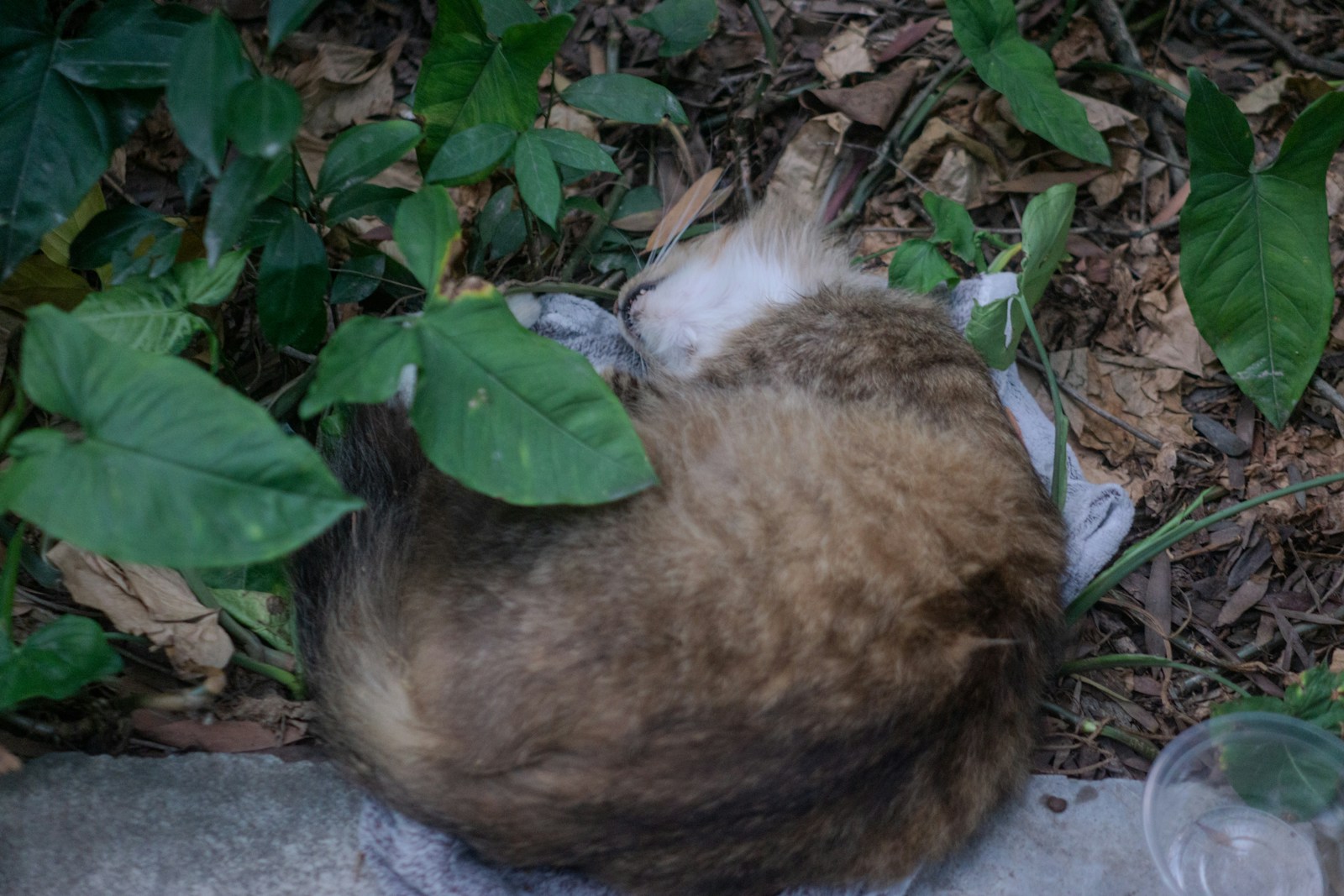
When a Reddit user posted in the AITAH forum that he had told his grieving brother, point blank, that the death of his cat Rusty was his own fault, the response was overwhelming and almost unanimous: he was right. According to the March 2026 post, the brother had a pattern of letting his cats roam freely outdoors, then reacting with shock and devastation each time one vanished or was killed. Rusty was the latest in that cycle, and the poster had finally reached his limit.
The thread quickly grew beyond a family squabble. Thousands of commenters weighed in not just on the relationship dynamics but on a question that divides cat owners everywhere: is letting a house cat roam outdoors a harmless tradition or a preventable risk? Veterinary research, animal welfare organizations and the exposed nerves of people who have buried outdoor cats all point toward the same uncomfortable answer.
What happened with Rusty
The original poster described a brother who genuinely loved his cats but refused to keep them indoors. Each time a cat disappeared or was found dead, the brother mourned deeply, then eventually adopted another and repeated the same routine. When Rusty was killed, the poster told him directly that the death was not an accident or bad luck but the predictable result of a choice he kept making.
One highly upvoted reply in the same thread offered a script that tried to balance compassion with honesty: “I am very, very sorry that Rusty died. He was the sweetest cat. But I have to admit that my sympathy for you is limited, because this was not an accident. You chose to let him outside, even though you knew the risks, and now he is dead.” The comment captured the tightrope that family members walk when love for a person collides with anger over a preventable loss.
The data behind the danger
The emotional debate has a factual backbone. Outdoor cats face a well-documented list of threats that indoor cats almost never encounter, including vehicle strikes, attacks by dogs and wildlife, exposure to toxins like antifreeze and rodent bait, and infectious diseases spread through contact with strays.
The American Humane Society warns that disease transmission and parasite infestation are among the most common consequences of unsupervised outdoor access, even during short outings. The Animal Emergency & Referral Center of Minnesota adds that outdoor cats are significantly more likely to contract feline leukemia virus (FeLV), feline immunodeficiency virus (FIV), distemper and upper respiratory infections. Traffic, predators, extreme weather and deliberate human cruelty round out the risk profile.
VCA Animal Hospitals notes that even a fenced backyard does not eliminate the danger, because cats can climb over barriers and still encounter hazards on the other side. The lifespan gap tells the story in a single number: indoor cats live an average of 12 to 18 years, while outdoor cats average just two to five years, according to estimates cited by multiple veterinary sources including the UC Davis School of Veterinary Medicine.
What the research recommends instead
A peer-reviewed study by Foreman-Worsley and Farnworth, published in the journal Animals and indexed by the National Library of Medicine, examined the welfare implications of uncontrolled outdoor access for companion cats. The authors found that free roaming is associated with higher injury rates, greater disease exposure and shorter lifespans. Their recommended compromise: supervised and controlled outdoor access, such as secure “catio” enclosures, leash walks or enclosed garden spaces, rather than open-door policies that let cats wander unsupervised.
That middle ground matters because the argument for outdoor access is not entirely baseless. Cats are curious, territorial animals that benefit from environmental enrichment. The research simply shows that enrichment can be provided safely, without the gamble of uncontrolled roaming. A catio, a window perch with a bird feeder view, or even supervised harness time in a yard can satisfy a cat’s need for stimulation without exposing it to the threats that killed Rusty.
Grief, guilt and the question of timing
Telling someone their choices caused a pet’s death is not just a factual statement. It lands in the middle of active grief, and therapists who specialize in pet loss say timing and tone can determine whether the message helps or destroys a relationship.
Jordan Kurtz, a grief and trauma therapist in Denver, writes that the loss of a pet is traumatic and produces complex grief, often tangled with guilt, anger and self-blame. She encourages mourners to explore coping strategies that acknowledge both the love they felt and the regret they carry.
The Grief Recovery Method offers a more specific caution: a grieving pet owner needs to be listened to without analysis, criticism or judgment, at least in the immediate aftermath. Phrases like “You should have kept him inside,” however true, can shut down communication entirely if delivered before the person has had space to process the loss. The guidance suggests replacing blunt accusations with open invitations to talk, saving harder conversations for a moment when the grieving person can actually hear them.
For the Reddit poster, that creates a genuine dilemma. Staying quiet feels like enabling the next preventable death. Speaking too harshly in the first wave of shock risks damaging the relationship without changing the behavior.
Setting boundaries when someone will not change
Other pet owners who have faced the same pattern describe a shift from arguing about blame to setting concrete personal boundaries. In a pet-sitting forum discussion, a sitter whose client’s outdoor cat was killed by a car asked how to handle the situation. One commenter suggested the sitter simply tell the client that they were no longer comfortable letting cats outside under their care. The approach sidesteps the blame argument entirely and focuses on what the boundary-setter can control.
Some families take harder steps. In a separate AITAH post, a user described kicking out a brother who accidentally ran over the household cat, Zig, in the driveway and then refused to change his habits. “I brought Zig to the vet immediately, but they couldn’t save him,” the poster wrote. “When I got back home, I told my brother to pack his bags and leave.”
For the family in Rusty’s story, boundaries might look less dramatic but still meaningful: declining to pet-sit future outdoor cats, refusing to help search when the next one disappears, or stating clearly and calmly that sympathy will be limited if the pattern continues. None of those steps require cruelty. They require honesty, delivered at the right moment, backed by the hope that a person who keeps losing animals he loves will eventually connect the pattern to the choice.
Leave a Reply