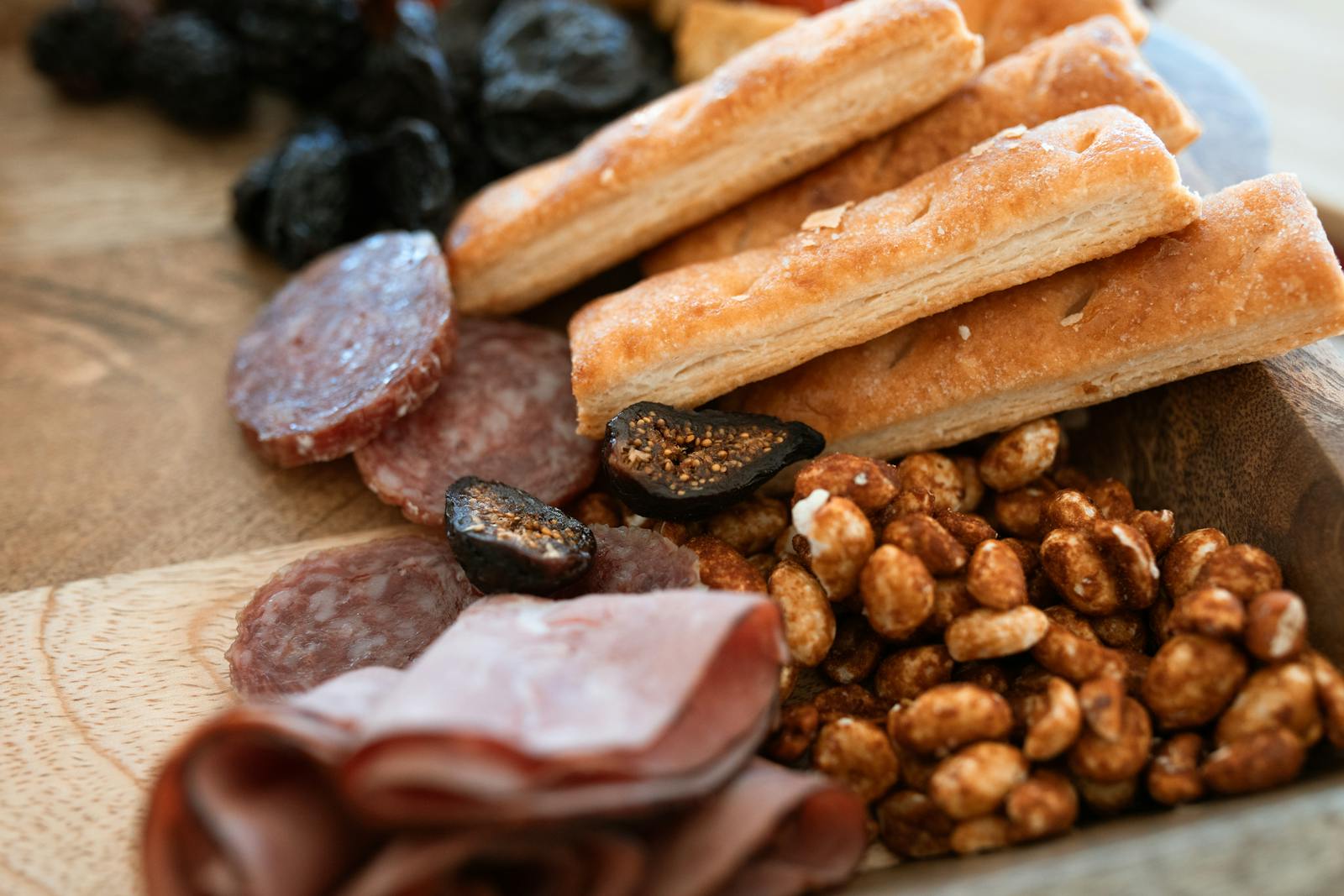
A woman invited friends over for a cheese and wine night, then revealed she had bought exactly one sausage and one block of cheese for the entire group. Everyone else was expected to bring the rest. The story, shared on Reddit’s AITAH forum, struck a nerve because it crystallized a question most people have encountered but rarely say out loud: if you call yourself the host, what exactly are you obligated to provide?
The original poster said she refused to bring cheese and wine after learning how little the host had actually prepared. Hundreds of commenters sided with her, arguing that the invitation had been framed as a hosted gathering, not a potluck. Others pointed out that a shared format can work perfectly well, but only when everyone understands the arrangement before they RSVP. The friction wasn’t really about cheese. It was about a mismatch between what was promised and what was delivered.
What hosting a cheese and wine night actually requires
Etiquette professionals have long held that the person who issues the invitation bears primary responsibility for the event. The Emily Post Institute, widely considered the standard-bearer for American etiquette, states that a host’s core duties include providing food, drinks, and a welcoming environment. Guests may offer to contribute, but the host should never depend on those offers to make the event functional.
For a cheese and wine party specifically, planning guides recommend that the organizer handle the board, the core cheese selection, accompaniments like crackers and fruit, and at least a bottle or two of wine. Chris Tavano of Savoring Today suggests the host prepare invitations, boards, knives, and a curated range of cheeses before guests arrive. Asking someone to bring a favorite bottle is a nice touch. Asking everyone to supply the entire spread is something else.
The math behind a proper cheese board
There is a practical reason one block of cheese felt so inadequate. Teddington Cheese, a UK-based cheesemonger that advises on catering portions, recommends 70 to 90 grams of cheese per person when the board follows a heavy meal. When cheese is the main attraction, that figure rises to 100 to 150 grams or more per guest. For a group of ten, that means roughly one kilogram of cheese at minimum, spread across three or four varieties.
A separate hosting guide from Celebrations at Home echoes those numbers, recommending at least three to four different cheeses and two to three ounces of each per person. By either standard, a single block of cheese for a group is not tight budgeting. It is a fraction of what the occasion calls for.
When splitting costs works and when it doesn’t
None of this means guests should never contribute. Potlucks, BYOB nights, and shared-cost dinners are all legitimate formats, and many friend groups prefer them. In a discussion among home cooks on Reddit, several users described rotating hosting duties where the person providing the kitchen handles the main dish and everyone else brings sides or drinks. That model works because the expectations are transparent and roughly equal.
The trouble starts when the format is ambiguous. Bon Appétit’s guide to potluck mistakes warns that the most common failure is poor coordination: no one assigns categories, three people bring salad, and no one brings a main. The same principle applies to cost sharing. If a host wants guests to contribute, the ask needs to be specific, upfront, and proportional. Telling people after the fact that they are responsible for nearly everything is where generosity curdles into freeloading.
The real issue: social credit without the work
What made the Reddit story resonate was not the cheese. It was the sense that someone wanted the title of “host” without accepting the role’s obligations. Hosting confers a kind of social capital. You set the tone, you choose the guest list, you get the gratitude. But that capital is earned by doing the work: planning the menu, stocking the kitchen, making people feel taken care of.
When a host contributes almost nothing and shifts the burden onto guests, the transaction breaks down. Guests feel used. The host feels unappreciated. And the evening that was supposed to bring people together becomes a story people tell afterward, not fondly, but as a cautionary tale.
For anyone planning a cheese and wine night in the coming months, the formula is not complicated. Pick three or four cheeses. Buy enough for your guest count. Open a couple of bottles. If you want friends to bring something, say so clearly when you invite them. The bar for being a good host is not perfection. It is honesty about what you are offering and a genuine effort to follow through.
Leave a Reply