A family is speaking out after their neighbor reported them to their homeowners association for allowing their children to play in their own yard. The complaint came with a blunt message: “This street isn’t a playground.” The incident has sparked debate about what reasonable expectations neighbors should have in residential areas.
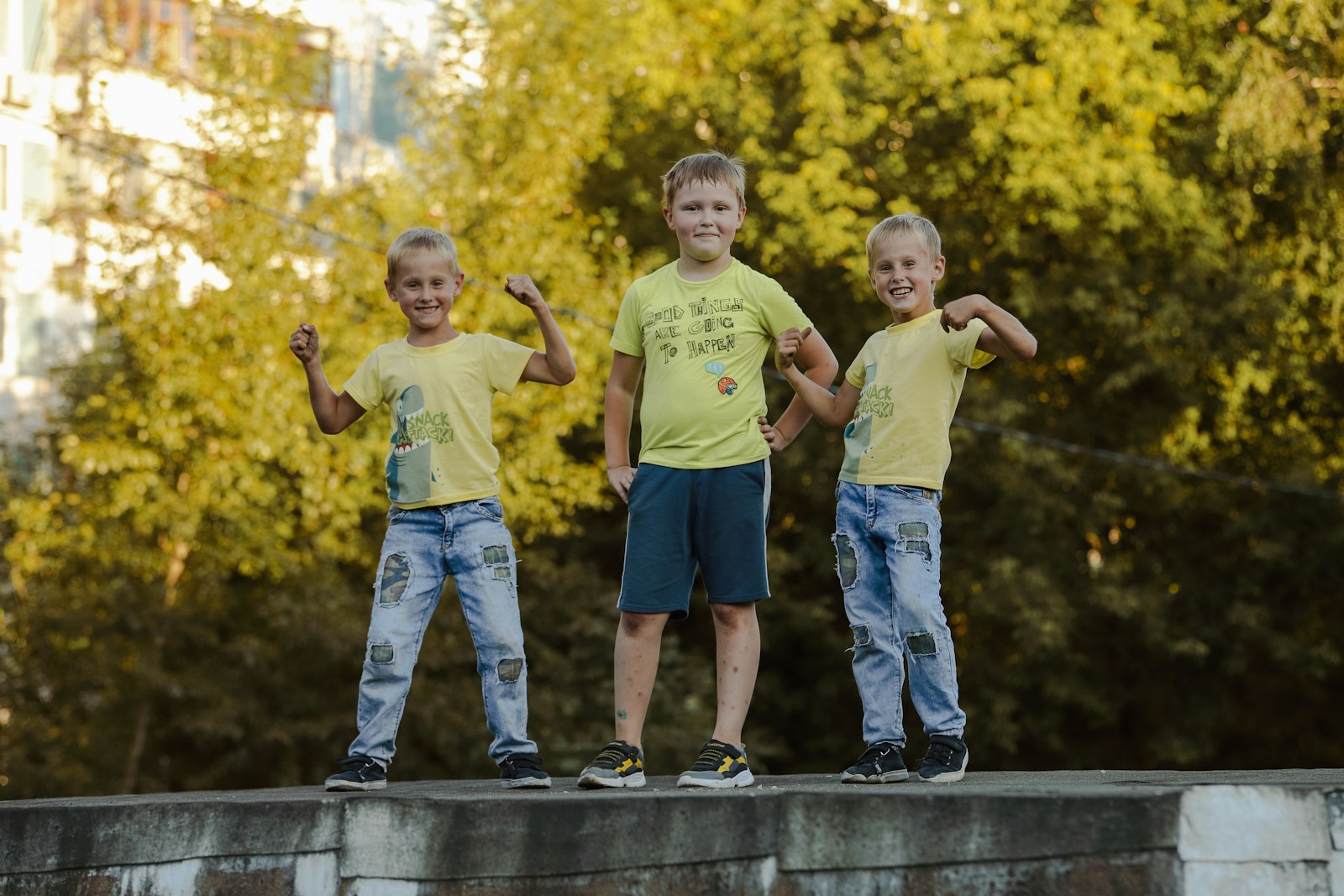
The neighbor’s HOA complaint accused the family of allowing excessive noise and activity from children playing outside, leading to a formal warning about potential rule violations. The family says their kids were simply doing normal activities like riding bikes and playing games on their own property during daylight hours.
The dispute raises questions about the balance between community rules and typical family life in suburban neighborhoods. What started as kids playing outside has turned into a contentious situation that has the family questioning whether they can continue living in their home.
The Neighborhood Dispute: What Happened
A routine day of children playing outside turned into a contentious HOA battle when one neighbor decided the street had become too noisy. The complaint triggered a formal HOA response that left the family shocked and their kids confused about why their outdoor fun had become a problem.
The Initial Complaint to the HOA
The neighbor filed a formal complaint with the homeowners association, claiming the children’s outdoor activities were disturbing the peace of the neighborhood. The complaint specifically mentioned noise levels and the use of the street as a play area.
The HOA received documentation that included timestamps of when the kids were playing and descriptions of the activities they were doing. According to the complaint, the noise from laughing, shouting, and playing games was excessive and happened too frequently throughout the week.
The neighbor argued that the street wasn’t designed to be a playground and that the family should keep their children confined to their own yard. The HOA was asked to enforce community rules about noise and common area usage, even though the street was public property within the neighborhood.
Family’s Reaction to the Neighbor’s Actions
The parents were blindsided when they received the official HOA notice about their children’s playtime. They couldn’t believe that normal childhood activities had become the subject of a formal complaint and potential fines.
The family felt targeted and singled out, especially since other kids in the neighborhood also played outside regularly. They questioned why their children specifically were mentioned in the complaint when multiple families allowed outdoor play.
The parents described feeling frustrated that their neighbor chose to go through the HOA rather than speaking with them directly about any concerns. They believed a simple conversation could have resolved any issues without involving official channels or creating neighborhood tension.
Impact on the Kids and Their Playtime
The children became anxious about playing outside after learning someone had complained about them. What was once carefree fun turned into a stressful situation where they worried about making too much noise.
The kids started asking their parents if they were allowed to play in certain areas or if they needed to be quieter. Some neighborhood disputes over children playing create lasting effects on how families use their own property.
The family noticed their children spent more time indoors on screens rather than playing outside with friends. The spontaneous games of tag and bike rides that once filled their afternoons became rare as the kids felt uncomfortable being visible to the complaining neighbor.
HOA Rules, Neighbors, and Yard Play
Homeowners associations establish guidelines that can directly impact where and how children play, creating tension when neighbors interpret these rules differently or use them to restrict typical childhood activities.
Understanding Typical HOA Guidelines
HOA regulations generally address noise levels, use of common areas, and maintaining property aesthetics. Some associations set specific quiet hours or limit activities in shared spaces like fields and playgrounds.
Families have reported receiving letters and fines after anonymous neighbor complaints about children making noise while playing outside. In one case, a single mother received a legal notice accusing her 5-year-old of being a “nuisance” for playing in a tree.
Most HOA documents don’t explicitly ban children from playing in yards or common areas. However, they may include provisions about disturbing other residents or excessive noise. These vague terms leave room for interpretation and potential abuse by board members or neighbors with personal grievances.
Balancing Community Rules with Family Life
Families living in HOA communities face the challenge of letting their kids play while avoiding complaints. The issue becomes more complicated when neighbors use their relationships with board members to enforce restrictions that may not actually exist in the governing documents.
One Reddit user described receiving pressure to get permission from all surrounding neighbors before allowing kids to play in common areas. The complaint stated that children playing during daytime hours disturbed residents on their decks.
A viral video showed an HOA president chasing after kids for simply playing outside. These incidents highlight how subjective enforcement can turn normal childhood activities into HOA violations.
Navigating Conflicts Between Neighbors
Disputes often escalate when one neighbor decides children playing constitutes a violation worth reporting. Some cases involve attempts to restrict children from playing football in common areas, with the complaining neighbor leveraging friendships with HOA leadership.
Residents on Reddit have shared experiences of receiving notices about kids being “too loud” while playing in shared backyards. In townhouse communities with open fields instead of fenced yards, the line between private and common space becomes blurred.
These conflicts rarely resolve quickly. Families push back against what they see as unreasonable restrictions while neighbors insist their right to peace supersedes children’s outdoor play.
More from Willow and Hearth:
Leave a Reply