A mom stepped outside to check on her kids and discovered them hard at work on an ambitious project: digging a massive hole in the backyard. The children were creating their own underground fort, transforming a simple afternoon into an adventure that required shovels, determination, and a whole lot of dirt.
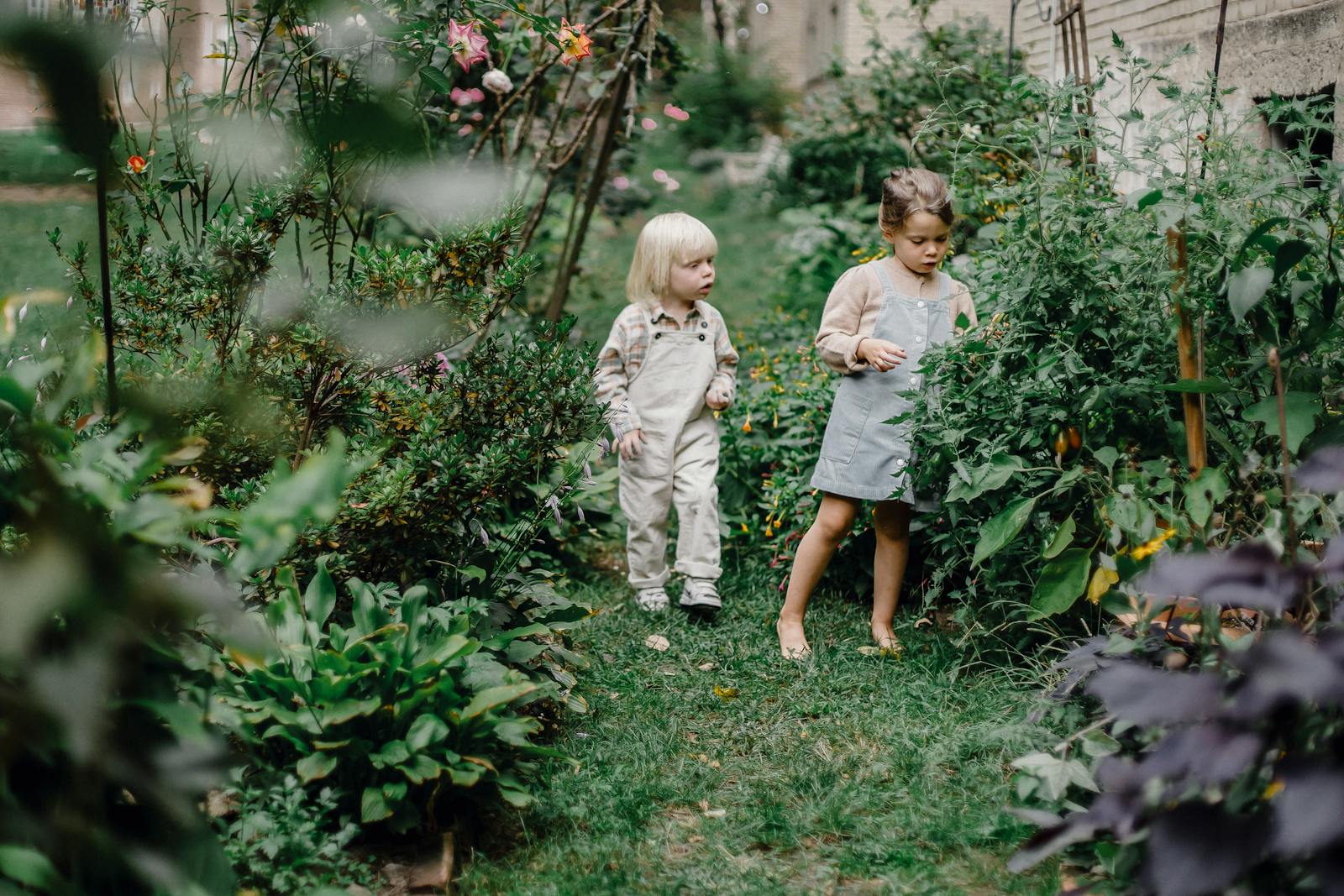
What started as typical outdoor play quickly became something much bigger. The kids weren’t just making a small hideout or building a simple fort above ground. They had committed to excavating their own underground space, turning the garden into an active construction zone.
The discovery left the mom torn between concern about her lawn and admiration for her children’s creativity. Their hole-digging mission represented the kind of old-fashioned outdoor play that keeps kids engaged for hours, even if it meant dealing with piles of displaced soil and muddy shoes by the back door.
Kids Digging a Giant Hole: A Surprising Backyard Fort Adventure
When children decide to build something ambitious, parents often discover the project well underway. The scene of kids covered in dirt, surrounded by piles of soil and wielding shovels with determination, reveals a creative vision that doesn’t always align with parental expectations for the lawn.
Initial Discovery: The Moment Mom Finds the Kids
The mother stepped into her backyard expecting to find her children playing on the grass or swings. Instead, she encountered a massive excavation project in progress. Her kids had already dug several feet down into the garden, creating a crater that resembled a construction site more than a play area.
Dirt was everywhere. The pile of displaced soil sat in a mound beside the hole, while the children worked with surprising focus and coordination. Their clothes were caked with mud, faces streaked with dirt, and their enthusiasm remained undampened by the physical labor.
The initial shock gave way to questions about when this started and how deep they planned to go. The transformation from pristine lawn to amateur archaeological dig happened faster than she imagined possible.
Understanding the Kids’ Vision for the Fort
The children explained their plan to create an underground fort structure in the backyard. They envisioned walls made of compacted earth, a roof covering the entrance, and enough space inside for their entire friend group. Their concept combined elements they’d seen in videos and their own creative ideas about what makes the ultimate hideout.
The hole wasn’t random chaos. They had designated areas for seating, storage for toys, and even discussed ventilation. The kids described their fort as a secret bunker where they could escape during hot summer days, protected by the cool earth surrounding them.
Their excitement was genuine, and they’d clearly spent time thinking through details like drainage and structural support, even if their engineering knowledge was limited.
Safety Considerations When Digging in the Garden
The excavation raised immediate concerns about stability and potential collapse. Unsupported dirt walls can cave in without warning, especially after rain softens the soil. The depth already achieved meant serious risk if a child was inside when the walls gave way.
Underground utilities presented another hazard. Gas lines, water pipes, and electrical cables run beneath many yards, and striking one could cause dangerous situations. The family hadn’t called to locate these lines before digging began.
Sharp objects buried in soil, including rocks, glass, or metal debris, posed injury risks. The physical strain of digging also led to blisters and muscle soreness that the kids initially ignored in their excitement.
Creative Backyard Fort Ideas Inspired by Kids’ Imagination
When kids start digging holes and building forts in the backyard, parents often find themselves inspired to channel that energy into structured projects. From slides built into excavated spaces to elaborate treehouses and recycled pallet structures, these ideas show how children’s natural construction instincts can transform into memorable outdoor play spaces.
Fort With a Slide: Turning a Hole Into a Playground
Parents who discover their kids have dug a massive hole in the yard sometimes decide to work with it rather than fill it back in. A fort with a slide transforms that excavation into something functional.
The basic concept involves building a raised platform over or beside the dug-out area, then attaching a slide that leads down into the space. Some families create an elevated fort structure with the slide as the main exit route, while others use the hole itself as a sunken play area with the slide descending into it.
The combination appeals to kids because it offers multiple ways to play. They can climb up to the fort platform, slide down repeatedly, or use the lower area as a separate hiding spot. Building around an existing hole also saves the work of moving all that dirt back.
Treehouse Concepts for Garden Spaces
A treehouse remains one of the most sought-after backyard fort structures for kids who love climbing and elevated spaces. Families with sturdy trees in their yards often build simple wooden platforms secured between branches.
The basic treehouse doesn’t require elaborate carpentry. A flat platform with railings and a rope ladder provides enough adventure for most kids. Some parents add walls and a roof for weather protection, while others keep the design open to maximize the feeling of being up in the branches.
Common treehouse features include:
- Wooden platforms secured to tree trunks
- Rope ladders or wooden stairs for access
- Railings for safety
- Optional walls and roofing
- Additions like telescopes or chalkboards
Trees with multiple trunks or branches close together work best since they provide natural support points.
DIY Pallet Forts for Lasting Fun
Wooden pallets have become popular building materials for parents creating budget-friendly backyard structures. A pallet fort goes up quickly since the pallets already form ready-made wall sections.
Builders stack pallets vertically and secure them with screws or nails to create the fort’s perimeter. Adding a tarp or metal roofing on top provides shade and rain protection. The gaps between pallet slats work as natural windows and ventilation.
These forts cost little since many businesses give away used pallets for free. The rustic wood appearance fits naturally into garden settings. Parents can leave the wood natural or let kids paint the structure in bright colors. The sturdy construction means the fort holds up through seasons of active play.
Building a Cardboard Castle Over a Garden Fort
A cardboard castle offers a temporary but impressive structure that kids can help construct and customize. Large appliance boxes or moving boxes provide the main building materials for walls and towers.
Parents sometimes build these cardboard structures over or around a garden fort area, including spots where kids have been digging. The cardboard adds castle walls, turrets, and doorways to transform a simple outdoor space into a medieval fortress. Kids cut out windows, paint stone patterns on the walls, and add flags to the towers.
The main drawback remains weather sensitivity. Rain destroys cardboard quickly, so these castles work best during dry seasons or under covered areas. Some families treat it as a weekend project they rebuild periodically, which actually keeps kids engaged since they redesign it each time.
More from Willow and Hearth:
Leave a Reply