A couple’s peaceful backyard garden became the center of a neighborhood dispute when their security camera captured proof of ongoing damage. After reviewing the footage, they discovered their neighbor’s dog had been repeatedly digging under the shared fence, destroying plants and landscaping they had carefully maintained. The video evidence left no room for doubt about what was happening during the hours when no one was watching.
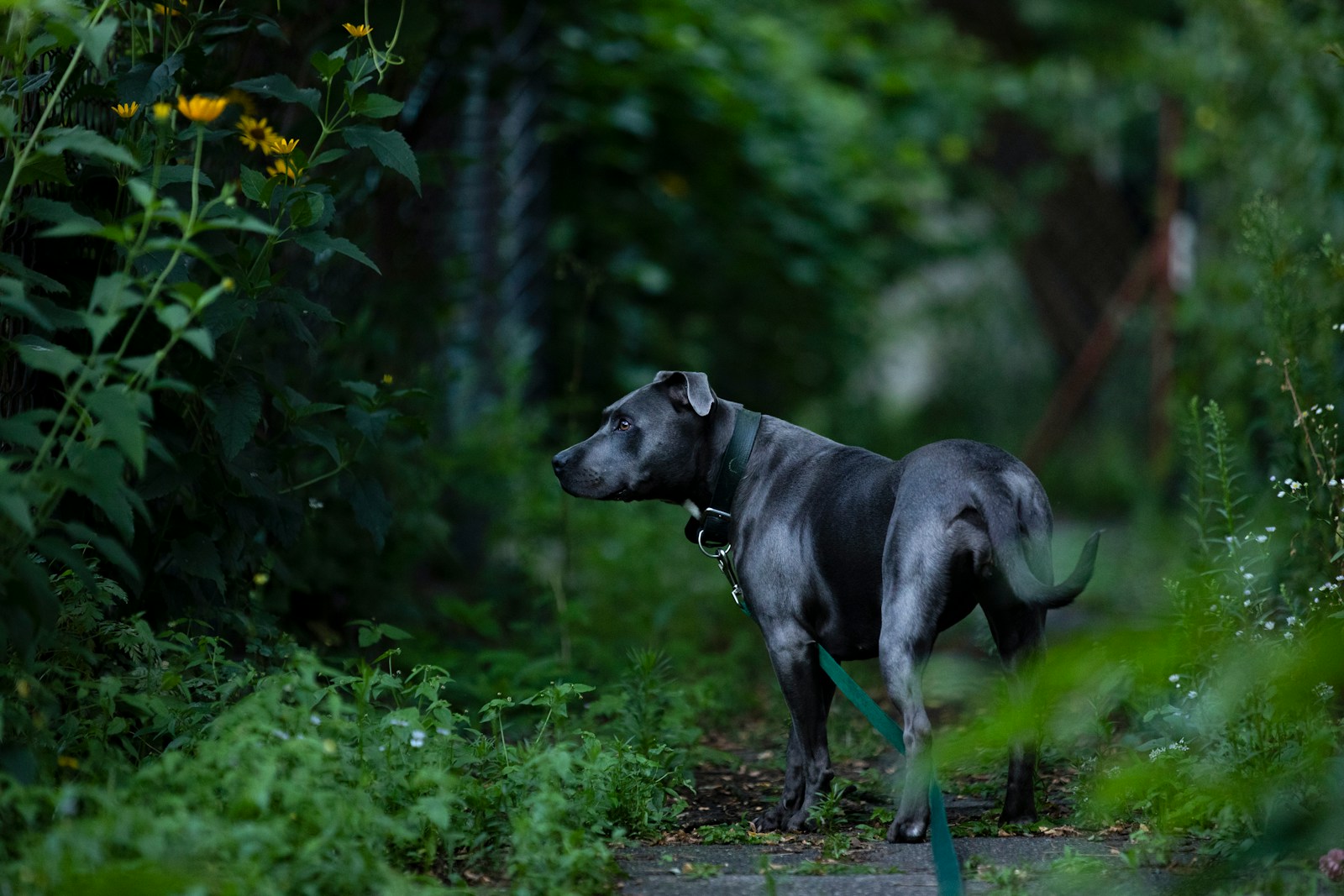
Armed with the security footage, the couple decided to approach their neighbor directly about the problem. What started as mysterious holes and trampled flower beds had escalated into significant property damage. The confrontation would test whether the neighbors could work together to address issues of pet safety and property concerns or if the situation would create lasting tension on their quiet street.
The incident highlights a common frustration many homeowners face when dealing with pets from neighboring properties. Dogs dig under fences for various reasons, from seeking interaction with other animals to simply relieving boredom, but the resulting damage falls on whoever owns the affected property.
Confrontation and Discovery
The couple discovered their neighbor’s dog had been systematically destroying their garden through footage captured on their home security system, leading to a direct conversation about the ongoing damage and who would take responsibility for the destruction.
Security Camera Reveals the Incident
The couple had been puzzled for weeks about the mysterious damage appearing in their garden beds. Plants were uprooted, soil was scattered across their lawn, and carefully maintained flower beds looked like someone had taken a shovel to them overnight.
They decided to install a security camera pointed at the garden area to catch whatever was causing the destruction. The footage revealed their neighbor’s medium-sized dog squeezing under a gap in the shared fence line, spending hours digging through their vegetable garden and flower beds.
The video showed the dog returning multiple times across several days, always during the afternoon when both households were typically at work. The animal dug holes around tomato plants, tore up newly planted herbs, and scattered mulch throughout the yard.
Neighbor’s Reaction and Responsibility
Armed with the video evidence, the couple approached their neighbor to show him what his dog had been doing. The neighbor initially seemed surprised, claiming he had no idea his dog was getting out of the yard.
He watched the footage on their phone and admitted the dog was definitely his. The neighbor explained he had noticed the dog was dirty when he came home from work but assumed it was just from playing in their own backyard.
The conversation grew tense when they asked about compensation for the damaged plants and destroyed garden work. The neighbor said he would fix the fence gap but seemed hesitant about paying for the garden damage, stating that the couple should have told him sooner about the fence issue.
Impact on the Couple’s Garden
The garden damage was extensive and represented months of careful planning and work. The couple had planted a spring vegetable garden with tomatoes, peppers, cucumbers, and various herbs that were all either destroyed or significantly damaged.
Their flower beds, which featured perennials they had been cultivating for two years, were torn apart with roots exposed and several plants completely dead. The estimated cost to replace everything was several hundred dollars, not including the time investment to replant and restore the garden beds.
Beyond the financial impact, the couple lost an entire growing season for their vegetables. The timing of the damage meant they couldn’t replant and expect any harvest before fall.
Solving Dog Digging Problems Between Neighbors
When a neighbor’s dog repeatedly digs under a shared fence, both parties need practical solutions that address the root cause while protecting property boundaries. The situation requires understanding canine behavior, implementing physical barriers, and sometimes creating acceptable outlets for natural digging instincts.
Understanding Why Dogs Dig
Dogs dig for several specific reasons that have nothing to do with spite or misbehavior. Boredom and lack of exercise rank as primary motivators, especially for high-energy breeds left alone for extended periods. The dog might be trying to escape the yard to explore or find companionship.
Temperature regulation drives some digging behavior, particularly during hot weather when dogs seek cool dirt to lie in. Anxiety or separation anxiety can trigger compulsive digging as a coping mechanism. Some dogs with strong prey drives dig because they detect rodents or other small animals in the neighboring yard.
Curiosity about smells and sounds from the other side of the fence often pulls dogs toward specific digging spots. Understanding these motivations helps neighbors determine whether the issue stems from the dog’s living conditions or natural instincts.
Installing Barriers and Fencing Fixes
Physical barriers stop most determined diggers when installed correctly. Burying chicken wire along the fence line creates an uncomfortable surface that discourages paw digging. The wire needs to extend at least 12 inches below ground and attach securely to the fence bottom.
An L-footer design works by bending the buried portion of chicken wire or hardware cloth outward at a 90-degree angle away from the digging side. This forces the dog to dig deeper and further out, which most give up attempting. Some homeowners place large rocks or pour concrete along the fence base to create an impenetrable barrier.
Extending the fence underground with additional panels buried 12 to 18 inches deep provides a permanent solution. For shared fences, both neighbors typically need to agree on modifications and cost sharing.
Dog-Safe Digging Deterrents and Repellents
Scent-based deterrents leverage dogs’ sensitive noses to make digging spots unappealing. Cayenne pepper sprinkled along the fence line works temporarily but requires reapplication after rain. Vinegar-soaked rags placed at digging sites create an unpleasant smell barrier.
Citrus peels scattered along problem areas repel many dogs naturally. Commercial deterrent products designed specifically for digging offer longer-lasting results without harming pets or plants. Motion-activated sprinklers startle dogs when they approach the fence, creating a negative association with the digging location.
An invisible dog fence system installed on the dog owner’s side delivers a mild correction when the dog approaches the boundary. These systems require professional installation and training but provide consistent enforcement when owners aren’t watching.
Creating a Designated Digging Area
A designated digging area gives dogs an acceptable outlet for their natural excavating urges. The dog’s owner can fill a specific section of their yard with loose sandy soil or mulch that’s easier and more rewarding to dig than hard ground. Burying toys, treats, or bones in this spot teaches the dog where digging gets rewarded.
The area should be away from the shared fence to eliminate confusion about boundaries. Consistent training with firm “no” commands when the dog digs inappropriately, followed by redirection to the approved spot with praise and rewards, reinforces the behavior change. This approach works best when combined with increased exercise and mental stimulation to address underlying boredom.
More from Willow and Hearth:
Leave a Reply