A neighborhood dispute has escalated after one family discovered their children were being repeatedly soaked by a neighbor’s newly installed sprinkler system. The kids were simply playing near the property line when motion-activated sprinklers would suddenly turn on, drenching them with water.
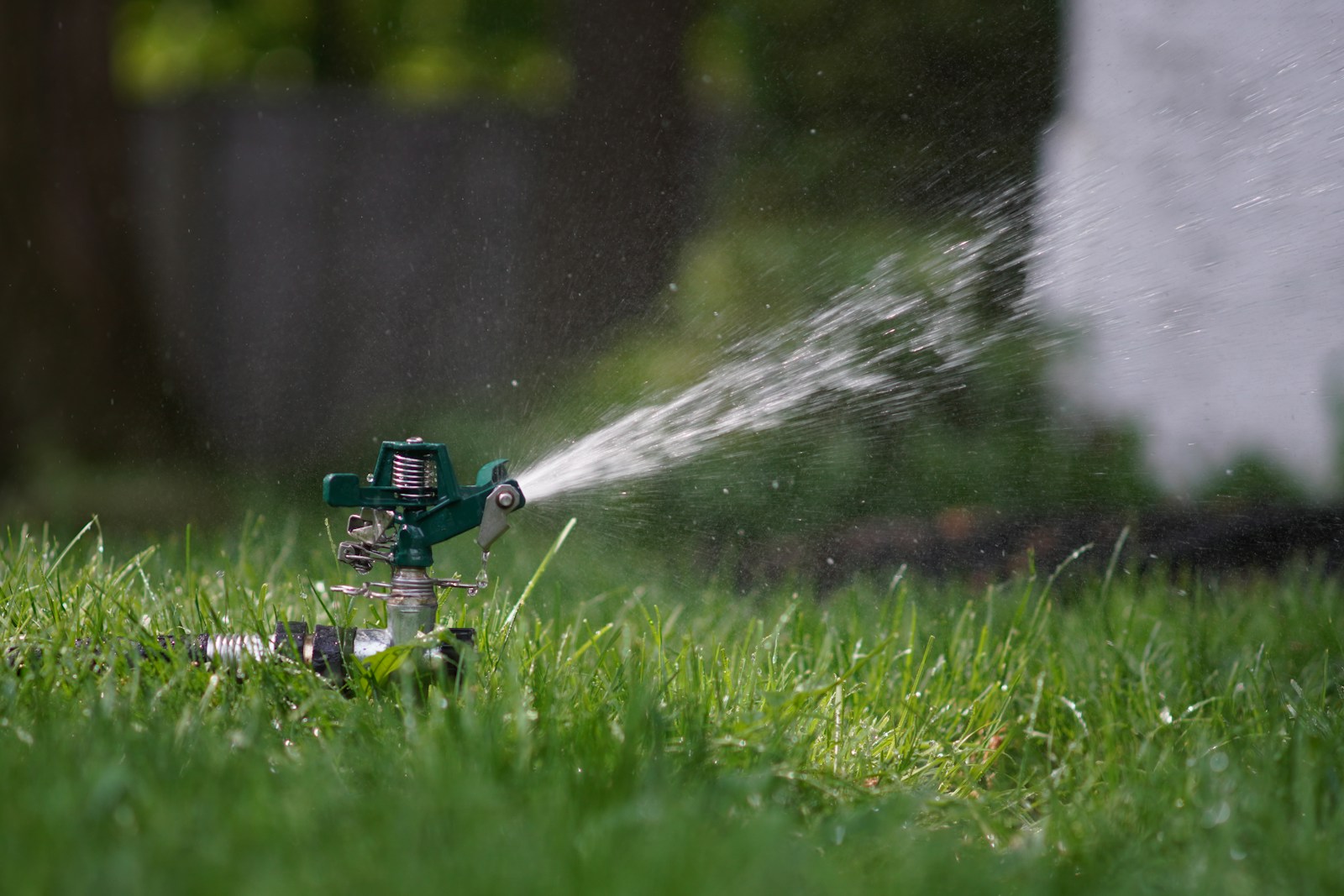
The family claims the neighbor deliberately aimed motion-activated sprinklers to spray children playing near the shared fence line, turning ordinary backyard fun into a source of conflict. What started as occasional inconvenience has become a pattern that has the parents demanding answers and considering their legal options.
The situation highlights how conflicts over sprinkler placement and water spray can quickly turn neighborly relations sour. Similar incidents have emerged across the country, with some homeowners using motion-activated sprinklers to discourage unwanted activity near their property. This family’s experience raises questions about where property rights end and harassment begins.
Neighbor Installs Motion Sprinklers That Soak Kids
When children play near property lines, neighbors sometimes take measures to protect their yards. One situation involved motion-activated sprinklers that repeatedly drenched kids, sparking outrage from their family and raising questions about whether the response was justified.
How the Motion-Activated Sprinklers Affect the Family
The family found themselves dealing with soaked children on a regular basis whenever the kids ventured near the fence line. The sprinklers activated automatically, catching the children off guard and leaving them drenched.
Parents had to keep extra changes of clothes on hand. The unexpected soakings disrupted the children’s playtime and created tension between the neighboring households.
The motion sensors appeared highly sensitive, triggering even when kids were simply walking by or retrieving a ball. This meant the family couldn’t use portions of their own yard without risking a drenching. The situation escalated to the point where children became anxious about playing outside, unsure when the next spray would come.
Why the Neighbor Chose to Install Motion Sprinklers
The neighbor cited concerns about property boundaries and yard maintenance as reasons for the sprinkler installation. They believed the children were repeatedly coming too close to or crossing onto their property.
In a Florida case involving sprinklers at a bus stop, the neighbor was unhappy about the bus stop location taking up part of his driveway. Some homeowners view motion-activated systems as a non-confrontational way to establish boundaries without direct conflict.
The neighbor may have felt previous attempts to address the issue weren’t working. Installing automated sprinklers allowed them to protect their lawn without having to repeatedly ask the family to keep their kids away.
Kids Getting Soaked: Real Experiences and Reactions
Children described being caught off guard by sudden blasts of water while playing. In one documented incident, a neighbor soaked kids with sprinklers before school, leaving them drenched while waiting for the bus.
The experience left many children upset and confused. They didn’t understand why playing near the fence resulted in getting sprayed. Some kids started avoiding certain areas of their own yard entirely.
In more extreme cases, parents reported their children came inside crying after unexpected soakings. The situation was particularly difficult when kids were dressed for school or special occasions. One father even resorted to wearing swimwear to shield his children from the sprinklers.
Community Response to the Sprinkler Situation
Neighbors and community members had mixed reactions when learning about the sprinkler situation. Some sided with the property owner, arguing they had a right to protect their lawn and establish clear boundaries.
Others found the approach excessive and confrontational. They believed adults should communicate directly rather than using automated systems that affect children. In cases involving disabled children being sprayed at bus stops, community outrage was particularly intense.
Online discussions about these incidents revealed strong opinions on both sides. Many people suggested alternative solutions like installing fencing or having a conversation with the family. The debate highlighted broader questions about neighborly relations and appropriate responses to property concerns.
Resolving Fence Line Water Disputes Between Neighbors
When sprinkler systems cross property lines and affect neighboring yards or structures, the situation often escalates from a simple nuisance to a contentious dispute. The legal landscape around water damage between neighbors involves questions of property rights, reasonable use, and potential liability for damages.
Communication Attempts and Tensions
The family initially approached their neighbor as soon as they noticed the sprinklers were soaking their new fence and several feet of their yard. The neighbor hired someone to adjust the sprinkler heads, but the technician didn’t check all of them properly.
When the family returned to request further adjustments, the conversation turned unpleasant. The neighbor blamed them for not considering the sprinkler placement before installing their fence, even though she never mentioned the sprinklers during their earlier conversation about the fence project.
She also complained about paying the technician to come back out again. Eventually, she agreed to shut off that zone entirely, but the next morning proved otherwise. The yard and fence were wet again, showing she hadn’t followed through on her promise.
Exploring Legal and Property Boundaries
Disputes over water damage from sprinklers can constitute a legal nuisance when one property owner’s water system unreasonably interferes with another’s property. Massachusetts law protects property owners from this type of interference.
The family documented everything with photos and notes about dates when the fence got wet and when they spoke with the neighbor. This documentation becomes crucial if the situation requires legal intervention.
Property owners have the right to expect that neighboring irrigation systems won’t damage their structures or flood their land. The ongoing moisture could reduce the fence’s lifespan and create standing water issues.
Possible Solutions for Both Families
The family considered offering to adjust the remaining sprinkler heads themselves since it only required a screwdriver. This approach would eliminate the neighbor’s concern about paying for another service call while solving the water intrusion problem.
Another option involved sending a certified letter through the U.S. Postal Service, which requires the recipient’s signature upon delivery. The letter would document the issue, previous attempts at resolution, and request adjustments within a specific timeframe.
If those approaches failed, consultation with a local attorney specializing in property disputes could provide guidance on formal demand letters or further legal action. The situation highlighted how quickly neighborly relations deteriorate when one party feels inconvenienced by reasonable requests to respect property boundaries.
More from Willow and Hearth:
Leave a Reply